
Why Handmade Goods Are Worth Investing In

Share

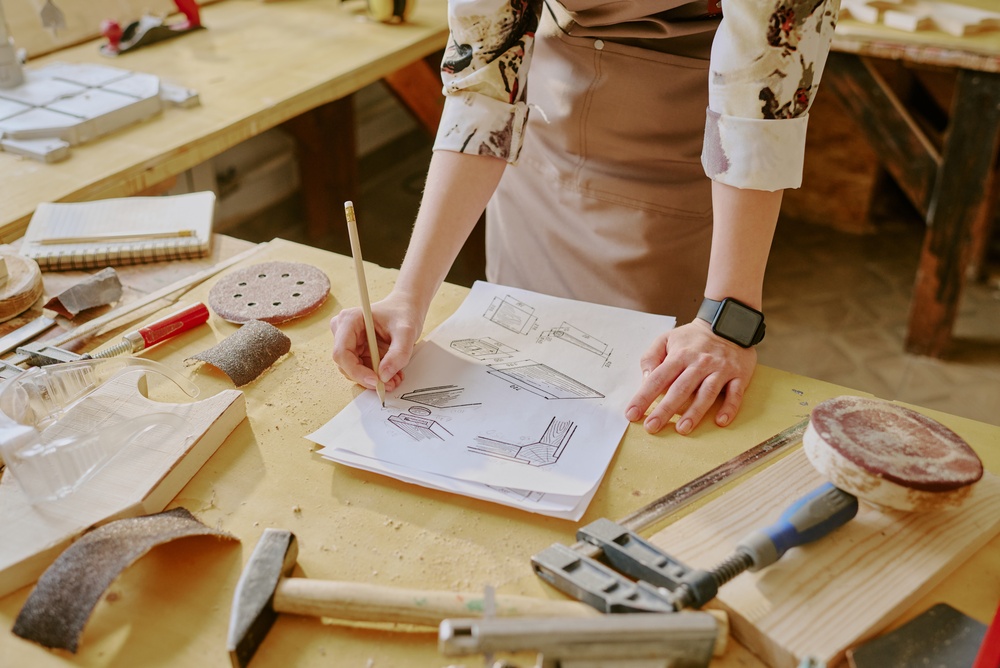
The Lasting Appeal of Handmade Goods in a Disposable World
Mass production has made everyday goods cheaper and easier to replace, but it has also created a sense that many of them are temporary. Handmade objects offer a different experience. They carry visible decisions, material character and small variations that connect an owner to the person who made them.
That connection has practical value too. When you understand how an item was produced, you’re more likely to care for it, repair it and keep it for longer. In a culture built around rapid upgrades, that slower relationship with possessions feels increasingly relevant.
The Fast Consumer Cycle Hits a Wall
The familiar consumer cycle runs on speed: buy an affordable product, use it briefly and replace it when a newer version appears. This works until drawers fill with neglected accessories and clothing loses its shape after a few washes. Low prices can become expensive when you keep purchasing the same type of item.
Handmade goods invite a pause before payment. Production takes time, so makers tend to work in smaller quantities and buyers have an opportunity to consider what they genuinely need. Research into the appeal of handmade suggests that people value products more highly when they sense human effort behind them.
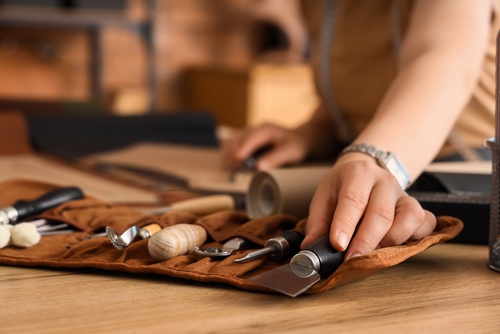
You can apply this thinking without replacing everything you own. Start with frequently used objects that often fail, such as a wallet, belt, mug or everyday bag. Check how often you’ve replaced one during the past three years. A carefully made version may carry a higher initial price, yet become better value if it stays useful for much longer.
Longevity Begins in the Workshop
Durability is often decided before an object reaches a shop. A maker can select thicker fabric, secure a fastening carefully or refine an edge that might otherwise fray. These choices rarely dominate a product description, but they affect how the finished piece responds to repeated use.
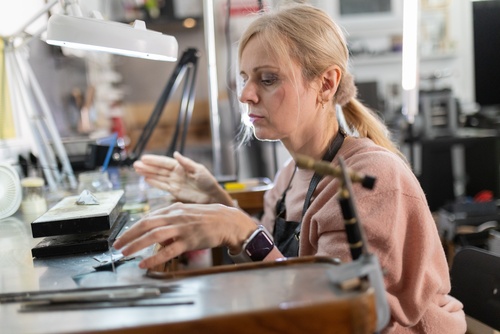
There’s also room for judgement in a small workshop. If a section of material has a flaw, the craftsperson can cut around it. If a joint needs extra support, it can receive attention before the item moves to the next stage. Automated production excels at consistency and volume, while close human oversight helps catch individual problems.
Look for clear construction details when shopping. Examine stitching for even spacing, test moving parts and check that joined sections sit neatly together. Sellers should also explain suitable care and repair options. As an example, handmade clothing often comes from sound construction and materials that develop character through wear instead of quickly looking tired.
Artisan Details in Daily Wear
Personal accessories show how craftsmanship can fit into ordinary routines. A handmade piece doesn’t need to look elaborate or be saved for formal events. Its appeal may come from the weight of sterling silver, the texture of rope or the slight differences created as natural materials are shaped.
When comparing men’s bracelets, consider how the design will work with what you already wear. A restrained cuff can sit comfortably alongside a watch, while an adjustable rope style may suit relaxed clothing and changing wrist sizes. Check the dimensions instead of relying only on close-up photographs, as width and fit determine how a piece feels throughout the day.
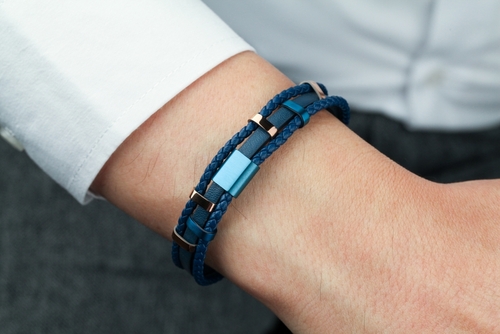
Details should serve a purpose. Smooth edges reduce irritation, secure closures support regular use and balanced proportions prevent an accessory from feeling cumbersome. Before buying, picture a normal working day rather than a special occasion. The strongest everyday choice will feel natural with several outfits and won’t require constant adjustment.
Tracing Value Through Provenance and Material
Provenance simply means knowing where an object came from, who made it and what materials went into it. Useful product information should move beyond broad terms such as “premium” or “quality”. Look for the type of metal, fibre, wood or clay, along with an explanation of the production process.
Material choice also affects maintenance. Sterling silver may need occasional polishing, vegetable-tanned leather develops a patina, and untreated wood can benefit from periodic oiling. None of these traits represents a fault. They show how a natural material responds to handling and time.
Ask three practical questions before purchasing: Can the seller identify the main material? Are care instructions available? Can common areas of wear be repaired? Clear answers help you estimate the real lifespan of an item. They also reveal whether the maker expects the product to remain in use. If the description gives only lifestyle imagery and vague claims, contact the seller or keep looking until you find enough detail to judge the purchase properly.
Invest in Objects With a Genuine Story
A genuine story comes from specific facts, not romantic language. It might involve a craftsperson who finishes each edge by hand, a studio that produces small batches or a maker who adapted a traditional technique for modern use. Those details help you understand why an object looks and costs the way it does.
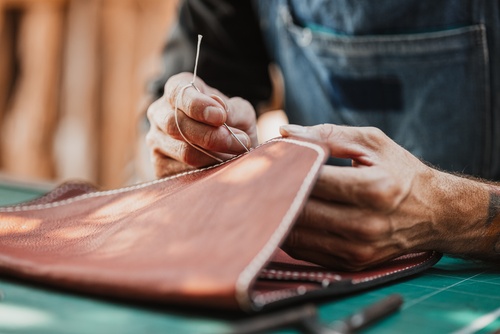
Set a realistic budget and focus on categories where craftsmanship will make a noticeable difference. An accessory worn several times a week offers more chances to appreciate careful construction than a decorative object kept out of sight. Cost per wear can provide a useful comparison. A £90 item used 300 times costs 30p per wear, while a £25 alternative replaced four times reaches £100 before care or delivery costs enter the calculation.
Once you’ve chosen something, keep its care card and note the maker’s repair guidance. Scratches, fading and softened surfaces can become part of the object’s history when they don’t affect function. Years later, the most satisfying detail may be the polished edge or settled texture that could only have developed through regular use.