Smart Access Technology: Modernising Older Properties

Share
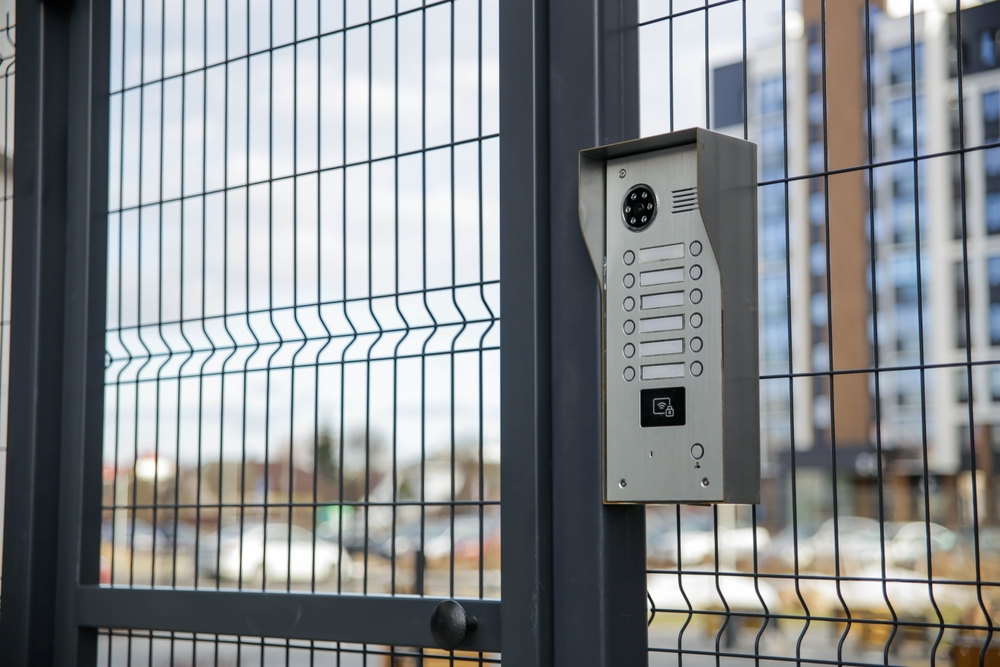
How Smart Access Technology Can Transform Older Properties
Older properties often rely on disconnected access systems, paper permits, and manual records that create unnecessary work for managing agents. These outdated processes can lead to security gaps, entry delays, and frustrated residents while making estate management more difficult. Discover how smart access technology can modernise existing properties, reduce administrative pressure, and help protect long-term estate value.
The Legacy Property Challenge
Ageing assets tend to carry layers of disconnected systems. A residential block may have physical entry fobs, paper visitor permits and a separate spreadsheet for parking spaces. When occupancy changes, managing agents must update each record manually, increasing the chance of outdated permissions or inconsistent information.
Start with an access audit covering every entrance, shared facility and parking area. Record who uses each point, when demand peaks and how permissions are issued or removed. Check the condition of cabling and available network coverage too. This practical baseline helps distinguish problems that technology can solve from physical defects requiring repair.
Retrofitting Smarter Perimeter Systems
Retrofitting can preserve existing gates and entrances while updating the controls behind them. Number plate recognition, digital permits and mobile visitor registration can reduce queues and give authorised users a clearer arrival process. Physical security remains important too, and cost-effective ways to improve security around gates and outdoor entry points can complement digital access controls. Guidance on smart access control also highlights the need to balance operational efficiency with appropriate safeguards.
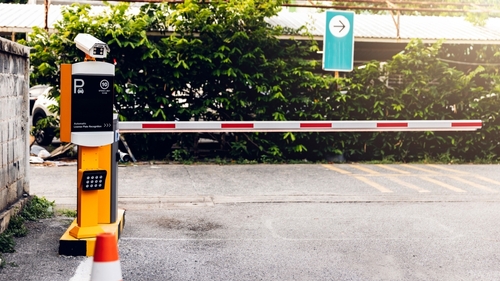
For parking areas, managing agents should compare expected traffic, visitor volumes and enforcement requirements before choosing a system. Specialist car park management for managing agents can bring number plate recognition, permit systems, pay-by-phone options and visitor management into a more coordinated operation. A short trial at one entrance can reveal practical issues before a wider rollout.
Modernising Oversight in Shared Spaces
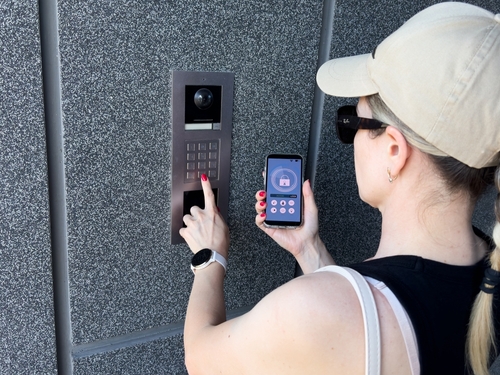
Connected systems give property teams a current view of access activity across communal areas. For example, a manager can identify repeated visitor-registration failures at one building without waiting for a monthly complaint log. Time-limited digital permissions also suit cleaners, contractors and temporary occupants because access can expire automatically.
Set clear rules for data access before installation. Decide which roles can view records, how long information will be retained and what happens when someone moves out. Suppliers should explain system availability, backup arrangements and the process for handling an outage. Occupants also need a simple route for reporting errors, especially where an incorrect record could delay legitimate entry.
Lowering Administrative Friction
The clearest return may come from fewer routine tasks. Digital permits remove the need to print, post and replace paper documents, while a central portal can reduce duplicated updates across reception teams and property databases. If 20 residents change vehicles during a month, processing those updates through one workflow saves staff from editing several separate lists.

Before automating anything, map the current process from request to approval. Remove unnecessary stages and assign an owner to each remaining task. Track a small set of measures after launch, including average approval time, support requests and the number of expired permissions still active. Those figures show whether the upgrade is genuinely reducing workload.
Futureproofing Estate Value
Smart access technology can support a wider plan for retaining and adapting older property. Research into the adaptive reuse of assets considers how digital systems can contribute to more responsive buildings, particularly as user needs change over time. Flexible permissions may help an estate accommodate new tenancies, altered communal facilities or a different mix of occupants without another complete access overhaul.
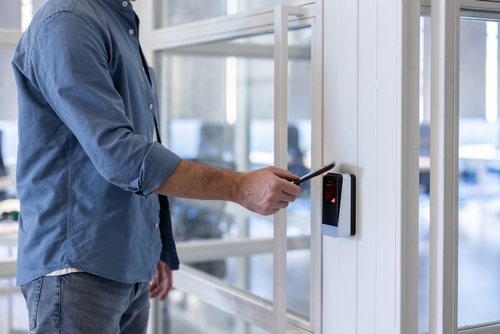
Choose systems with documented integration options and exportable records so the estate isn’t trapped in one closed platform. Budget for software support, staff training and replacement components alongside installation. The most valuable upgrade will be one that still works when the building’s use changes, its management team rotates and new services need to connect.
A sensible investment plan should therefore rank access points by operational strain and upgrade the busiest one first. Evidence from that location can shape the technical specification, budget and timetable for the rest of the estate, turning a difficult legacy asset into a property that is easier to run and adapt.