
Why Film Photography Is Making a Comeback Among Travellers

Share
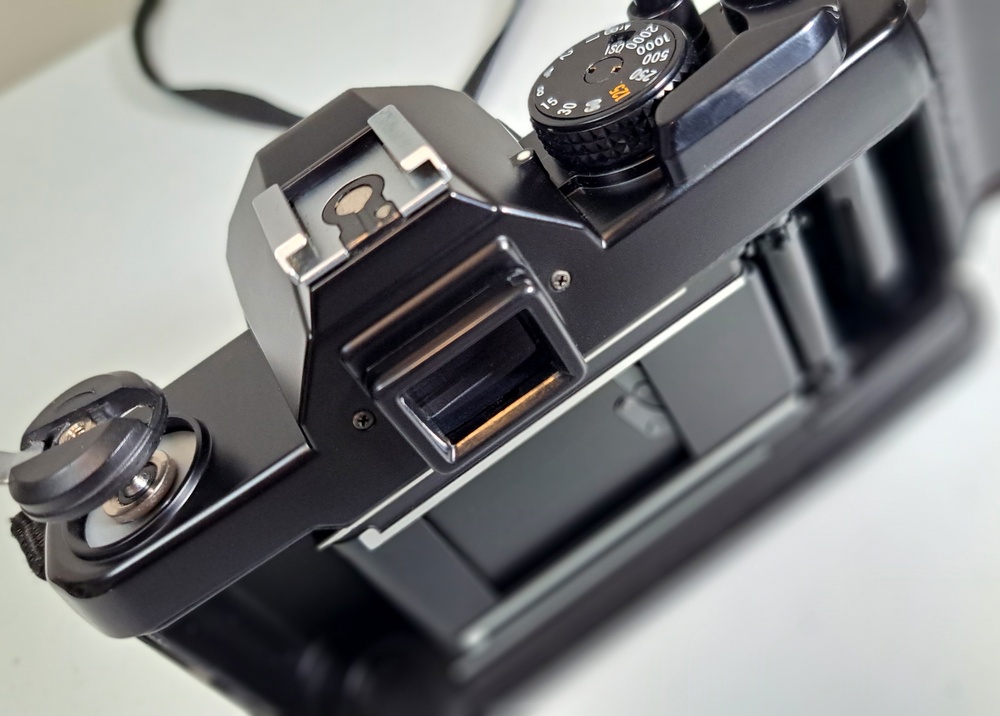
The Return of Film Cameras: Why Travellers Are Embracing Analogue Photography
Film cameras are making a comeback, even when most of us already have a perfectly good camera in our pockets. More travellers and younger photographers are drawn to analogue photography for the slower process, the distinctive look of film, and the excitement of not knowing exactly how a picture will turn out. Instead of taking dozens of shots and picking the best one later, you have to be more intentional with every frame. This renewed interest also reflects a wider appreciation for physical media culture, from printed photographs to vinyl records. When it comes to travel, shooting on film offers a different way to capture a trip and create keepsakes worth revisiting long after you’ve unpacked your bags.
The Allure of Physical Tangibility
A film photograph exists as more than a file buried among thousands of phone images. The negative is a physical record, while a print can sit on a desk, fill a scrapbook, or become a postcard for someone who shared the trip. Small imperfections, including grain and slight colour shifts, give each frame its own character.

This enduring appeal of film also begins before the photograph is taken. Choosing a camera, loading a roll and advancing each frame creates a hands-on ritual. Travellers ready to build a simple kit can start with 35mm colour film, then add a compact camera and protective case. Keeping the setup modest makes it easier to carry every day.
Slowing Down at Every Destination
Most 35mm rolls offer 24 or 36 exposures, so each photograph asks for a little thought. You start checking the light, cleaning up the composition, and waiting for people to move into the frame. That brief pause can make you more observant of a destination, especially in busy markets, railway stations and public squares.

Set yourself a loose daily allowance if you’re worried about finishing the roll too quickly. Six frames across a day might cover an early street scene, lunch, a striking building, two candid moments and the evening light. Take a phone photograph when you need a practical record, such as a timetable or hotel address. Save film for scenes you’ll genuinely want to revisit.
Packing Reliable 35mm Colour Film
Work out your likely usage before leaving home. One 36-exposure roll for every two or three days gives many casual photographers enough freedom without encouraging careless shooting. Pack an extra roll in case plans change or a location proves especially photogenic.
Keep unused film in its original canisters inside a resealable bag, away from direct sunlight and hot vehicles. Your hand luggage is generally the sensible place for it during a flight because checked bags can face stronger screening equipment. Ask airport staff politely about a hand inspection where available, especially for higher-sensitivity film.
Mark exposed rolls as soon as they leave the camera. A small piece of masking tape with the date and destination prevents confusion when several identical canisters share the same pouch.
The Anticipation of the Darkroom
Film saves one final surprise for home. Since you can’t inspect every exposure on the spot, processing becomes part of the travel experience. A blurred bicycle, an unexpected reflection, or a stranger entering the edge of a frame may become the photograph that best captures the place.
Write a few notes while travelling so you can connect each roll with its locations later. Once the photographs are processed, review them as a set before selecting individual favourites. Look for recurring colours, gestures and details that tell a fuller story across several frames.
Then print a small selection. Five carefully chosen photographs from a trip often carry more meaning than hundreds left unseen on a phone, and the wait makes opening that first packet of images feel like returning to the destination.

