
February Pruning Do’s and Don’ts: What to Cut Now (and What to Leave Alone)

Share
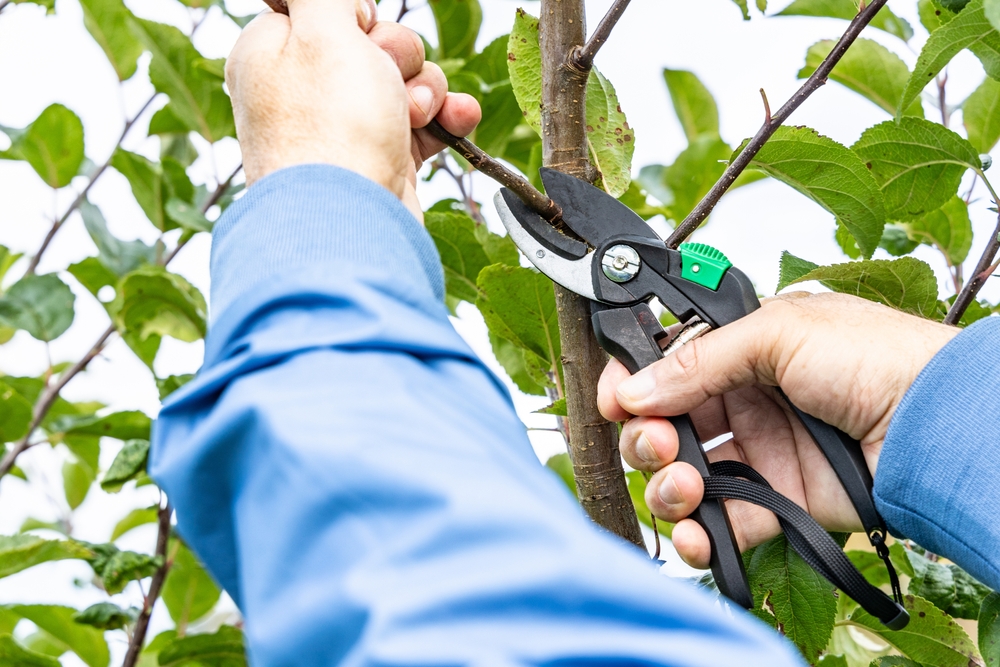
February Pruning Guide: What You Should and Shouldn’t Cut in Your Garden
Green-fingered Brits are being told everything they need to know about pruning in February.
Plant experts at GardeningExpress.co.uk have put together a guide of what they should and shouldn’t be pruning this month.
While many plants benefit from being pruned during their dormant period, there are some varieties that are best left untouched.
Pruning certain trees and plants during winter can cause excess stress and lead to sap bleeding which makes them more vulnerable to disease and stunted growth.

Spring flowering shrubs, ‘bleeders’ and evergreens are best left alone and benefit from pruning once they have flowered
Instead, focus on pruning late summer flowering shrubs, perennials and climbers. This will encourage new growth and promote healthier blooms later in the season.
Chris Bonnett, horticulture expert at online garden centre GardeningExpress.co.uk commented: “As we head towards spring, it’s tempting to get stuck into the garden and start pruning anything that looks quiet, but be careful because some plants may look dormant when they’re actually just about to burst into life. Cutting them now could cause a gardening disaster.
“For example, spring flowering shrubs will have their buds ready to bloom once the temperature rises a bit, if you cut them now you’ll miss out on spring flowering.
“Aim to prune winter flowering shrubs instead as their blooms will be beginning to fade. Cutting them back before they start forming new buds will help keep them healthy and flowering well next year.”

February pruning do’s and don’ts
DO prune:
Fruit trees with pips (pome fruit trees)
Fruit trees that bear pome fruits, like apples and pears, are best pruned in February while they are dormant. Winter pruning reduces stress on the tree and makes it easier to see the structure, helping you remove diseased or crossing branches and encourages a lush growth in spring.
Winter flowering shrubs
As soon as your winter flowering shrubs have bloomed, think about pruning them straight away to prevent accidently cutting their buds later in the year, this also keeps them neat and undamaged. Overcrowded and tangled branches can block light and cause problems later down the line. Winter-flowering shrubs include winter jasmine, camellia sasanqua and winter daphne.
Late summer flowering shrubs
Late summer flowering shrubs, like hydrangea, buddleja and fuchsia will be dormant in February, which makes it the perfect time to prune them so that you get a lovely full growth later on in the year. Cut them above the bud at a 45 degree angle to allow excess water to slip away and dry quicker to prevent rot.
Perennials
Pruning perennials in late February when it’s slightly milder will help to encourage new shoots for the following year. This includes, coneflowers, sedum and ornamental grasses. Cutting with sharp, clean secateurs to remove rotting foliage will help them come back stronger once your garden begins to bloom in spring.
Climbers
Prune vigorous climbers like ivy in February while they’re dormant to control growth and remove diseased or damaged branches. Less vigorous climbers, like star jasmine and late summer clematis, also benefit from removing weak and untidy stems to prepare them for spring.

DON’T prune:
Fruit trees with stones
Unlike pome fruit trees, stone fruits like cherries and apricots don’t tolerate pruning during their dormancy in February. At this time they cannot effectively seal fresh cuts, increasing the risk of silver leaf disease and bacterial canker. As sap flow rises towards spring, pruning can also cause excessive bleeding, which may weaken branches and further increase disease risk.
Evergreens
Most evergreens will struggle with harsh temperatures if pruned in February, with conditions often being icy and wet, pruning at this time can cause them to die back. It’s best to prune evergreens such as boxwood, holly and juniper in early spring when they are beginning to show signs of active growth.
Spring flowering shrubs
In February, spring flowering shrubs like camellias and viburnums will have buds ready for their blooming season. Cutting them now would result in a loss of flowers. Prune spring flowering shrubs once the blooms start to fade from late spring to early summer before they bud again.
‘Bleeders’
Trees like maple and birch have a high sap flow in February as they come out of dormancy. Pruning at this time can cause sap to bleed from the cuts, reducing the energy available for spring growth and potentially weakening the tree.


