2025 trending home design predictions

Share
Julia Kendell, known for her years as the interior designer on TV shows such as DIY SOS and 60 Minute Makeover and now founder of Kendell+Co, says that gone are the days of playing it safe with neutral palettes and cookie-cutter spaces. This year, we’re embracing boldness, creativity, and smart, sustainable choices that reflect both our personalities and our modern lifestyles.
If you’re ready to bring your home to life, here’s my take on the interior trends that will make your space truly pop.
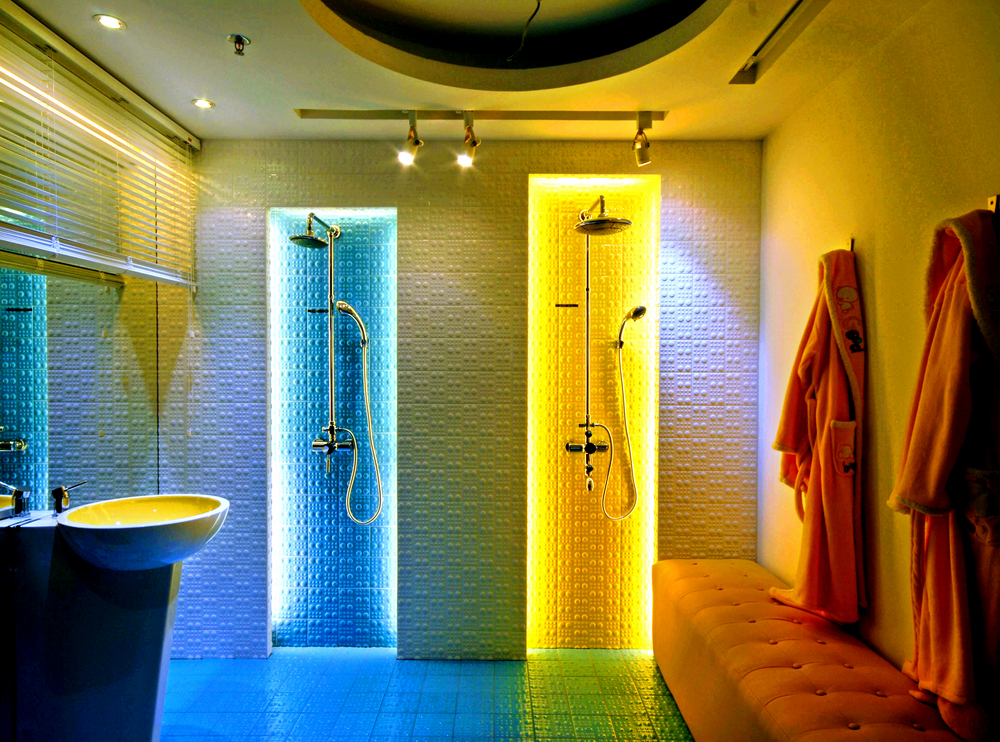
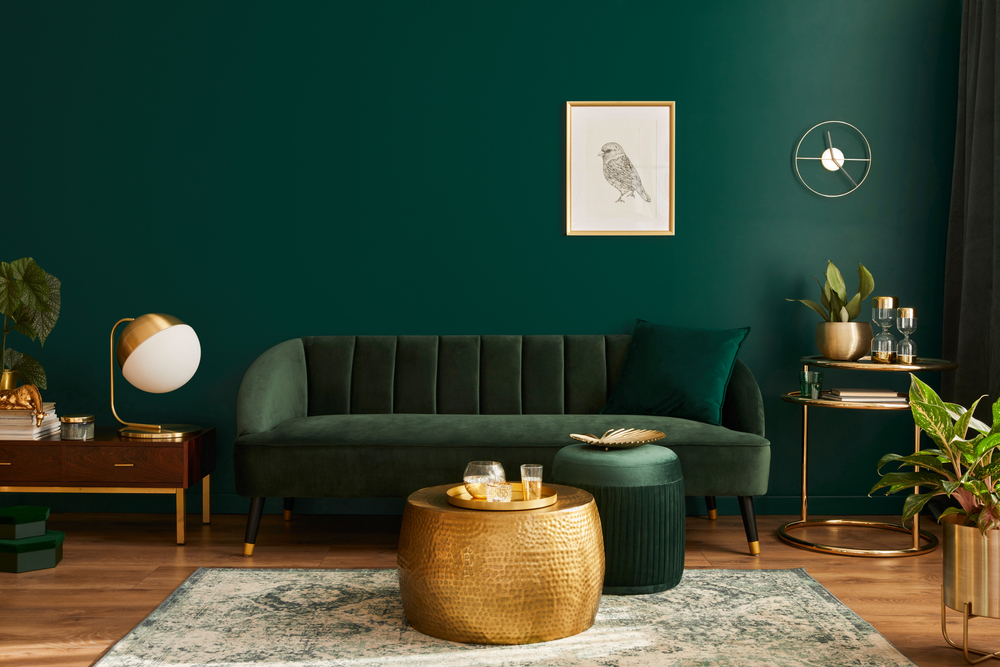
Say farewell to beige and hello to colour! 2025 is all about making a statement with bold, vivid hues—think deep blues, sunny yellows, and rich greens. These aren’t just colours; they’re personality in paint form. Whether it’s on walls, furniture, or accessories, these vibrant tones will make your home feel more alive and visually engaging.
As our homes continue to evolve, so do the ways we use them. We’re asking our homes to do more than ever before, and this means creating spaces that serve multiple functions. The key here is versatility and adaptability—every piece of furniture, every corner, should work as hard as you do.
If you haven’t noticed, textured tiles are the comeback kid, popping up throughout the home. The beauty of these tiles is in the layers they bring to a space. They play with light, creating an atmosphere that feels brighter, more dynamic, and inviting. But beyond that, they add dimension to walls and floors—think of them as a way to give your surfaces a little more character.
If you’re looking to create a truly memorable space, focus on your ceilings and walls. This is where you can really have some fun! Exposed beams, bold paint choices, and even artistic tiles on the walls will all help you create a room with a wow factor.
For those of us who crave simplicity but don’t want our spaces to feel boring, 2025 will bring the perfect balance. There’s a growing appreciation for natural materials like wood, microcement, and Venetian plaster—textures that feel grounded and timeless. But we’re also embracing the joyful contrast of maximalism. This trend is all about the layering of patterns and prints that create a cheerful, energetic atmosphere.
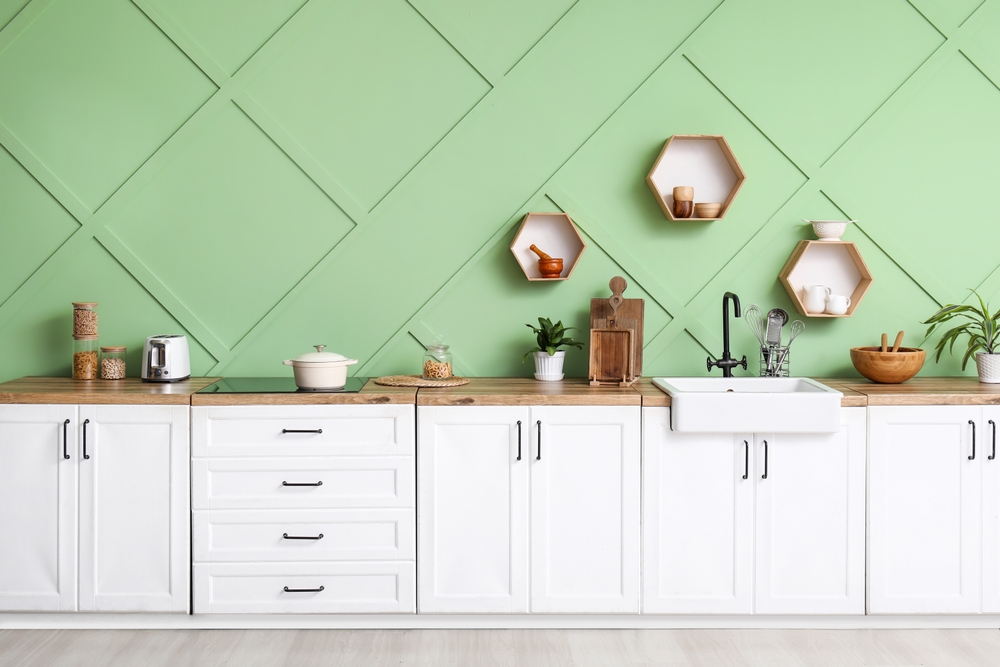
Kitchen Trends – lightening up
Kitchen designer Jo Chisholm of Chisholm Design believes 2025 will see lighter blues and greens in the kitchen rather than the darker shades although she thinks there is a place for earthy tones, particularly in reds. Worktops will continue to be lighter in colour with more use of natural veins as a feature. Antique brass handles will be popular especially in more traditional looking, detailed handles.
In terms of appliances, 2025 will see more use of boiling water taps and vented hobs which eliminate the need for an overhead extractor fan as the extractors are built into the cooktop.
Windows – better performance and natural shapes
Timber window and door manufacturers, Mumford and Wood believe there will be more demand for higher performing windows with better acoustic and heat insulation ratings. They expect more stringent building regulations on thermal performance and believe this will lead to a better grade of solar coatings on glazing. They have also seen an increase in more natural shapes in windows, such as curves, and predict this trend will continue.
Home Heating – smart homes, heat pumps, solar thermal systems and multi zone heating
Eco expert David Hilton, director of Heat and Energy Ltd, predicts an increase in smart home heating where we have an app to control the heating and use the feedback from the app to help increase overall efficiency.
But he warns that while having all our heating data at our fingertips can be very useful in setting up heating schedules and adjusting individual room temperatures, it can also be the cause of many issues. If the system is properly commissioned and set up for your lifestyle and also uses cheap tariffs (if applicable) then the last thing you want is to start fiddling with it. Make sure you know exactly what every setting does and the knock-on effects if you change things.
He says heat pumps are fast becoming the go to heating system for most homeowners. But David Hilton warns that homeowners need to be aware of the differences between heat pumps and boilers in the way they heat a home and the way the heat is delivered before they change over to the new technology. In existing homes installing a heat pump can be disruptive as you may need to change radiators as well as quite a lot of the distribution pipe work to make sure that the heat pump can operate at low temperatures and deliver the required amount of heat to the home. This can add cost and disruption to the project, so homeowners need to be very aware of all the implications before signing on the dotted line.
Solar thermal systems (producing heat from the heat of the sun) work very well but have not had a good share of the market share due to the very generous incentives that were available for solar photovoltaic systems (generating electricity from sunlight). Solar thermal systems are slowly making a comeback now that battery power is more affordable and much of the excess generation from photovoltaic systems is being delivered to electric vehicles. The requirement for cheap energy to heat hot water is coming back onto the radar and solar thermal systems are an up-and-coming technology.
Multi zone heating is simply the ability to split the home into different parts that can potentially be heated separately, which makes sense on paper. If a room is not being used, then surely it makes sense not to heat it up. if you have a large inefficient home then I would agree but with modern homes that are well insulated, once we start using new technologies like heat pumps, we really want to have the heating system working so that the whole home is heated and everything within the heated envelope is at very similar temperatures. If you have a room that is cold, then the two rooms next to it will try to heat it up and you might end up with the heating system not performing optimally. I am still a great advocate of multi zone heating, but I would rather set each zone up to be around 2 to 3° cooler than the zone next to it rather than turned off. So, use your multi zone heating to adjust the temperatures up and down slightly, not to turn them off and on.
Property development for better living – unlocking the hidden value of your garden (case studies are available upon request)
If you have a house with a large garden or plot over 300 square metres, especially one on a corner or with easy road access, you might be sitting on something of huge value. By developing your garden next year into one or more new-build houses, you could significantly boost your retirement income, provide a home for parents as they get older or a child as a starter home.
Paul Testa, Homebuilding & Renovating Show expert on sustainable, energy-efficient homes, and director of www.hemarchitects.co.uk, provides his tips: as property development is a slow process, give yourself plenty of time to navigate each stage. Focus on quality, as high-quality design can significantly increase the value of your development. Think like a developer: keep the bigger picture in mind and don’t get bogged down by small, emotional details. Consult professionals to prevent costly mistakes and streamline the planning process and be open to changes and adaptable to unforeseen challenges.
Time For a Refresh? Signs Your Home Is Outdated
How to add personality to your new build property in 4 steps