
Iceland Road Trip: How to Plan the Perfect Self-Drive Adventure

Share

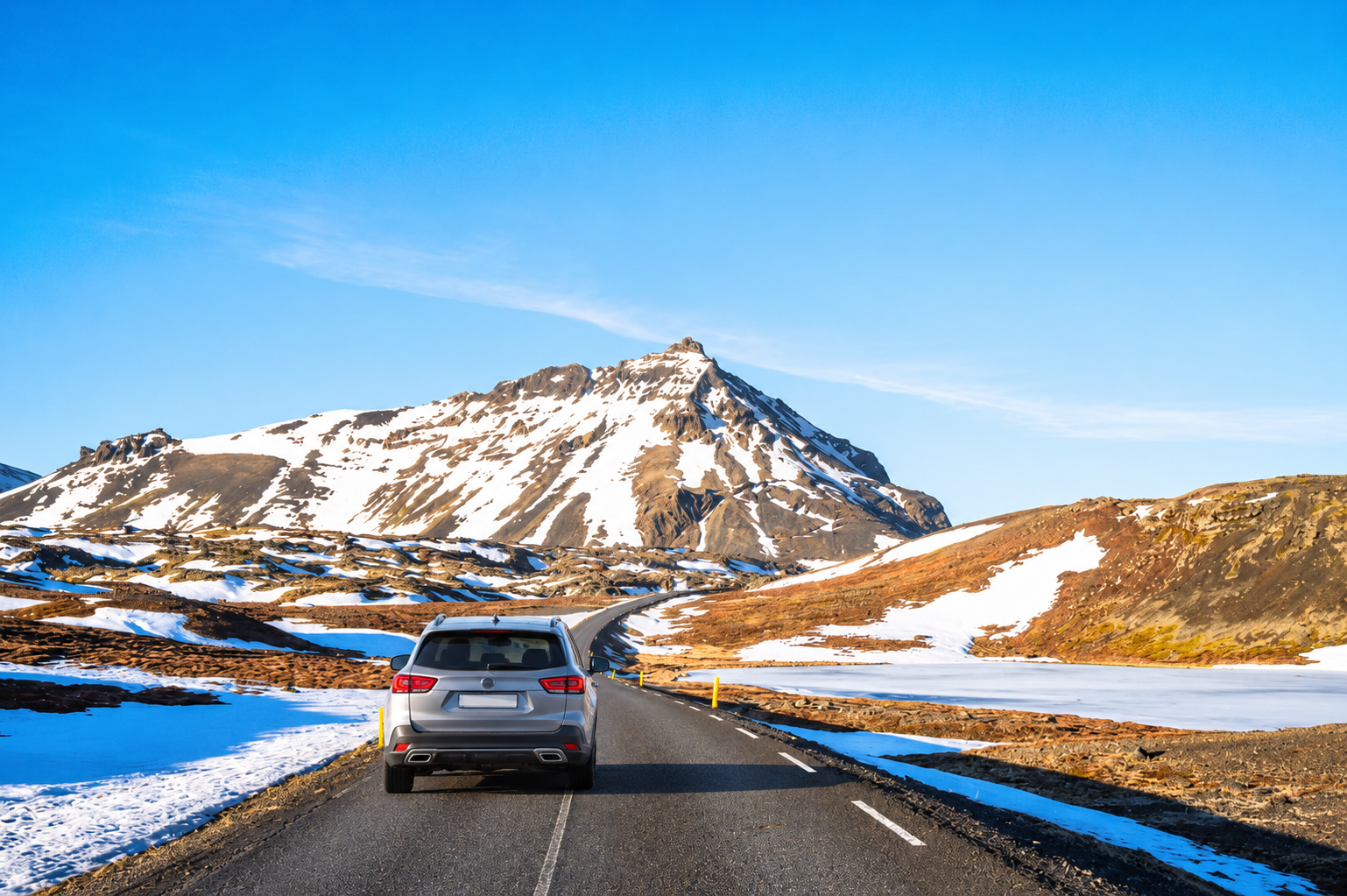
Planning an Iceland Road Trip From Keflavik: Everything You Need to Know
Iceland rewards travelers who leave space in the itinerary. A waterfall may deserve an extra hour, clear weather may reveal a glacier that was hidden all morning, and a short detour can lead to a quiet coastline that tour buses never reach. That flexibility is one of the strongest reasons to explore the country by car.
For most international visitors, the journey begins at Keflavik International Airport (KEF). Its location on the Reykjanes Peninsula makes it a practical starting point for Reykjavik, the Blue Lagoon, the Golden Circle, the South Coast or a longer Ring Road route.
A successful Iceland road trip, however, depends on more than finding the lowest daily rental price. The right vehicle, payment conditions, insurance, weather awareness and realistic driving times all matter. This guide explains how to plan each part of the journey before collecting the keys.
Why Start in Keflavik
Collecting a rental car near KEF allows you to begin traveling as soon as you land. It also avoids arranging a separate airport transfer to Reykjavik and then returning to a rental office later. For couples, families and small groups, the cost difference can become especially relevant because airport transfers are usually priced per passenger, while a rental car serves the whole group and carries the luggage.
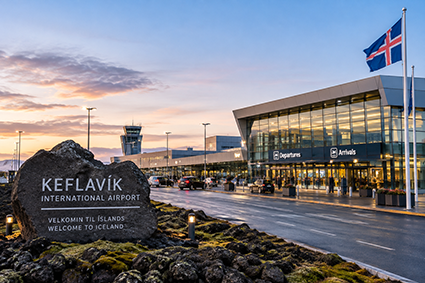
Keflavik is also well positioned geographically. Reykjavik is roughly a 45-minute drive in normal conditions, while the Blue Lagoon and several Reykjanes attractions are closer. Travelers arriving after an overnight flight can plan a gentle route, stop for groceries and reach their accommodation without rushing.
There is another practical advantage: returning the car close to the airport simplifies departure day. Instead of crossing Reykjavik to catch a bus, you can refuel near the rental depot, complete the return inspection and take the supplier’s shuttle or transfer to the terminal. Always confirm the exact return location and the time required before the trip, particularly for an early flight.
Choose the Vehicle for the Route, Not the Photograph
The most expensive or rugged-looking vehicle is not automatically the best one. The right choice depends on the season, the roads on your itinerary, the number of passengers and the amount of luggage.
An economy hatchback is often enough for a summer city break or a trip that stays on paved roads between Keflavik, Reykjavik, the Golden Circle and the main South Coast attractions. It is usually easier to park and more economical on fuel. A compact automatic may offer a better balance for two travelers carrying full-size suitcases.
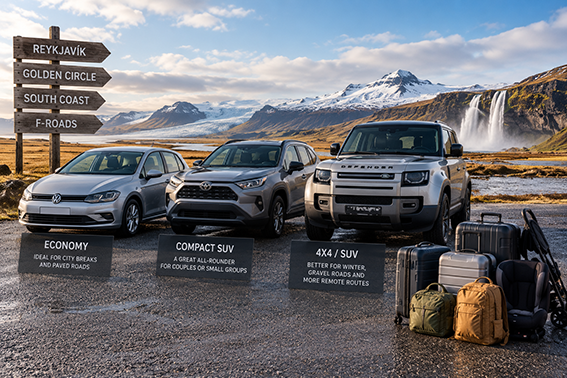
An SUV or four-wheel-drive vehicle becomes more useful in winter, on routes with rough gravel sections, or when the itinerary includes roads where a 4×4 is required. Icelandic F-roads are a separate category: they open seasonally, conditions can change quickly, and ordinary passenger cars are not permitted on them. Renting a 4×4 does not make every road safe or accessible, so road closures and official travel advice still take priority.
Families should focus on usable luggage capacity rather than the advertised number of seats. A seven-seat vehicle may have limited boot space when every seat is occupied. Count suitcases, strollers, child seats and camera equipment before selecting the category. If several people will drive, check whether additional drivers are included or charged separately.
Look Beyond the Headline Rental Price
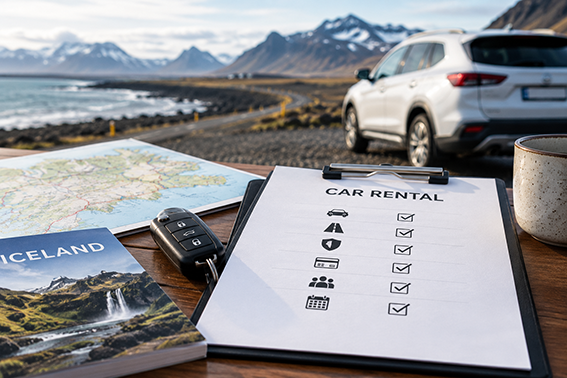
A low daily rate is only useful when the booking conditions match the traveler’s needs. Before paying, review the total price and check what is included. Important questions include:
Is unlimited mileage included?
What is the insurance excess?
Is a security deposit or card preauthorization required?
Can the main driver use a debit card?
Are airport transfer, additional drivers and child seats included?
What are the cancellation and modification deadlines?
Does the selected vehicle qualify for the roads on the itinerary?
Payment rules deserve special attention. Some international rental companies require a credit card in the main driver’s name and block a significant amount as a deposit. That can reduce the money available during the trip even when the amount is later released. Travelers seeking debit-card-friendly offers can compare options through Kef Rent Cars, a Keflavik-focused booking platform that highlights no-deposit and no-credit-card rental choices from local suppliers. Conditions can vary by vehicle and rate, so the final supplier terms should always be checked before confirming.
Unlimited mileage is valuable because distances accumulate quickly. Even a return journey from Keflavik to the South Coast can cover several hundred kilometers, so a mileage cap may turn an attractive rate into an expensive booking.
Understand Insurance for Icelandic Conditions
Basic collision damage waiver is commonly included in Icelandic rental offers, but it may leave a substantial excess. Optional protection should be evaluated against the route rather than accepted or rejected automatically.
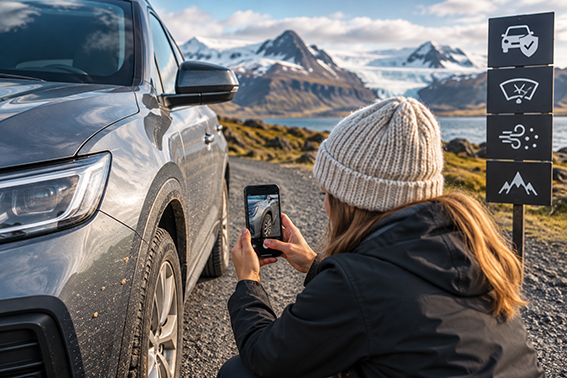
Gravel protection is relevant because loose stones can damage paintwork, headlights and windscreens even on otherwise manageable roads. Sand and ash protection can be important when strong winds carry volcanic material or sand, particularly in exposed southern areas. Theft risk is generally not the central concern; weather and road-surface damage are more distinctive features of driving in Iceland.
Read the exclusions carefully. Insurance usually does not cover driving on prohibited roads, river crossings, negligence, incorrect fueling or doors damaged by wind. At pickup, photograph every side of the vehicle, including the wheels and windscreen, and repeat the process at return.
Plan Airport Pickup Before the Flight
Not every rental counter is inside the terminal. Some companies operate from nearby depots connected by a shuttle, while others arrange a meeting point or transfer. The confirmation should explain where to go after baggage claim, how to identify the shuttle and what to do if the flight is delayed.
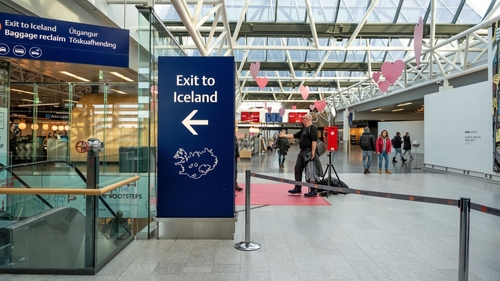
Keep the booking confirmation, driver’s license and payment card accessible rather than packed in checked luggage. If the license does not use the Latin alphabet, verify whether an International Driving Permit or official translation is required. Before leaving the depot, confirm the fuel policy, roadside-assistance procedure and return instructions.
Match the Itinerary to the Season
Summer offers long daylight and the widest road access, but it is also the busiest period. Popular vehicle categories can sell out. Long daylight can tempt drivers to cover too much ground, yet fatigue remains a risk even when the sky stays bright.
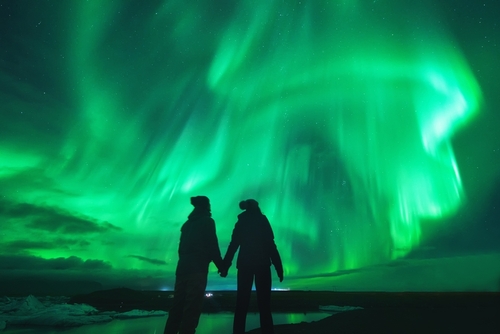
Winter can bring lower rental prices, snowy landscapes and opportunities to see the northern lights. It also brings short daylight, ice, high winds and road closures. A route that looks short on a map may take much longer. Build spare time into each day and avoid making a distant attraction essential on the same day as a flight.
Spring and autumn can offer good value and fewer visitors, but conditions may alternate between mild weather and winter-like storms. Check official road and weather information each morning and before a long drive.
Use Reykjanes as a First-Day Route
Many visitors leave the airport and drive straight to Reykjavik, but the Reykjanes Peninsula deserves time of its own. Its compact geography makes it well suited to an arrival-day loop, provided roads and access restrictions allow it.
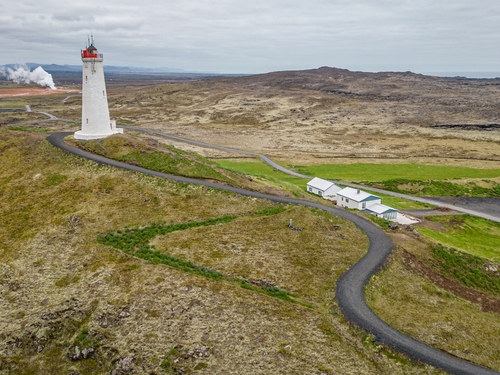
Possible stops include Gardur, Gunnuhver, Reykjanes Lighthouse, the Bridge Between Continents and viewpoints across lava fields. The Blue Lagoon can also fit into the route when admission is booked and the facility is operating normally.
Volcanic activity can affect roads, air quality and access at short notice. Treat closures as firm boundaries, never stop on the road for photographs, and use designated parking areas. A flexible plan is more useful than a tightly timed checklist of attractions.
Build a Realistic Route Beyond Keflavik
For a short stay, combine Reykjavik with the Golden Circle. Thingvellir National Park, the Geysir geothermal area and Gullfoss form the best-known loop. One full day is more comfortable than trying to add the entire route immediately after a flight.
With three to five days, the South Coast offers a strong self-drive itinerary. Waterfalls such as Seljalandsfoss and Skogafoss, black-sand beaches, cliffs and glacier views create frequent reasons to stop. Distances between headline attractions may look manageable, but parking, walking, meals and changing weather make every stop longer than its map estimate.
The Ring Road is better suited to travelers with at least seven to ten days, with more time preferable outside summer. Driving the circuit in only a few days leaves little margin for storms or spontaneous detours.
Whichever route you choose, avoid changing accommodation every night unless the distances genuinely require it. Two-night bases reduce packing time and create room to adjust the order of activities according to weather.
Budget for the Whole Driving Day
The rental rate is only one part of the budget. Include fuel or charging, insurance upgrades, parking, road tolls where applicable, child seats, additional drivers and accommodation with suitable parking. Food costs can also rise on long routes, so a supermarket stop near Keflavik or Reykjavik is useful before entering less populated areas.
Fuel stations become less frequent in remote regions. Refill before the tank becomes low. Many stations are self-service and may request a card PIN, so keep an alternative payment method available.
Saving money should not depend on removing every form of protection or choosing a car that is too small for the group. The better approach is to book early, compare the complete rate, travel outside peak weeks when possible and select only the extras that solve a real need.
Driving Habits That Make the Trip Safer
Iceland’s paved roads can feel open and quiet, but drivers still need to expect sudden changes. Wind may be stronger than it appears from inside the car. Rain can turn to sleet at higher elevations. Sheep may be close to the roadway, and single-lane bridges require attention and courtesy.
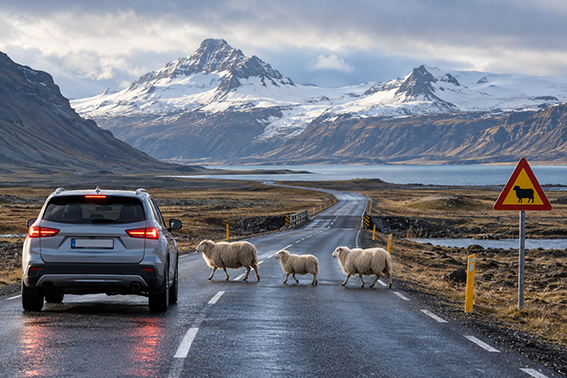
Keep headlights on, wear seat belts, respect speed limits and allow extra braking distance. Never stop in a traffic lane or on a narrow shoulder for a photograph. Download offline maps, but do not follow navigation software blindly: road signs, closures and official guidance overrule the app.
A Simple Checklist Before Booking
Before completing the reservation, confirm:
The pickup and return locations, including shuttle instructions
The final price, mileage allowance and fuel policy
Deposit, card and preauthorization requirements
Insurance inclusions, excess and major exclusions
Vehicle category, transmission and luggage capacity
Permission for every road on the planned route
Cancellation rules and late-arrival procedure
Driver age limits and additional-driver fees
Child seat, GPS or mobile connectivity needs
Emergency and roadside-assistance contacts
Final Thoughts
Starting an Iceland road trip in Keflavik gives travelers immediate access to the Reykjanes Peninsula and a convenient route toward Reykjavik, the Golden Circle, the South Coast and the rest of the country. The key is to treat the rental as part of the travel plan rather than a last-minute transport purchase.
Choose the right car, compare the full booking conditions and leave room for Iceland’s weather. Then the vehicle becomes a practical tool for exploring at your own pace.