Five interior mistakes that are making your living room feel cold

Share
As we move into 2024, interior trends will shift to cosier, welcoming spaces. Living rooms are the hub of the home, where we gather and relax after a long day.
However, certain design choices such as uninviting paint choices, lack of texture, and harsh lighting could be making your living room cold and sterile. Molly Woodward-Moor, Interior Designer and Creative Director at Stone Superstore says these are the mistakes that are making your living room feel cold.
1. Lack of warm tones and no cohesive colour scheme
Many people are hesitant to add colour to their space, but avoiding doing so could create a cold and uninviting atmosphere.
Molly said “One mistake that people make when designing a space is sticking to one monotone colour, such as the minimalist grey trend that we are now seeing slated on social media. A lack of colour can make a room look cold, flat and dull.
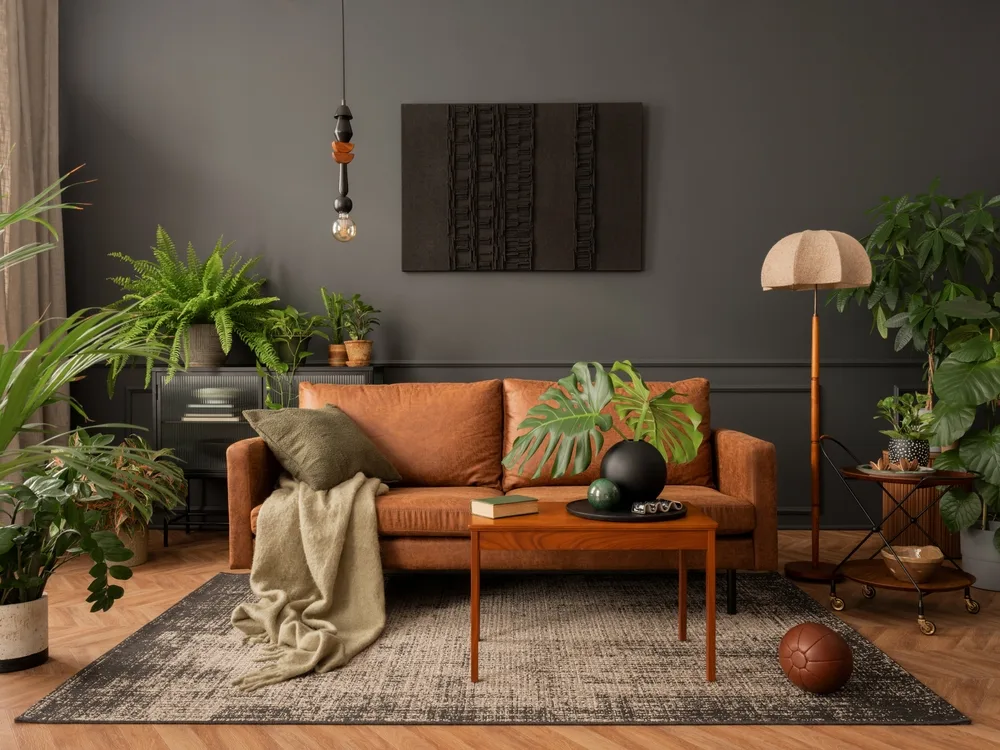
If you tend to consider colder colours for your home such as brilliant white, ash grey or pale blue, your living room is likely to appear visually colder. Instead, look for red or yellow-based shades including caramel, rust, pink, ochre and beige which have an instantly warming and welcoming feel within a communal lounge area. You can even keep this trick to hand when looking at typically colder hues such as greens and blues. For example, olive green or teal blue both feature a slight warm undertone that, when used to envelope a space, can feel very cosy and cocooning as a decor choice. “
Molly also spoke about an interior design trick that should be considered “A classic interior rule that helps to create a cohesive colour palette is the 60-10-30 method. Pick three colours and divide them into three; dominant colour, secondary colour, and accent colour. The percentages are a guideline, but this can be a helpful tool to keep in mind when creating balance within a colour palette.”
2. Lack of soft textures
We want our living rooms to feel warm and cosy, it’s a place of comfort and relaxation. Ignoring soft textures like throws and cushions can make a living room look stark and uninviting as takes away visual comfort.
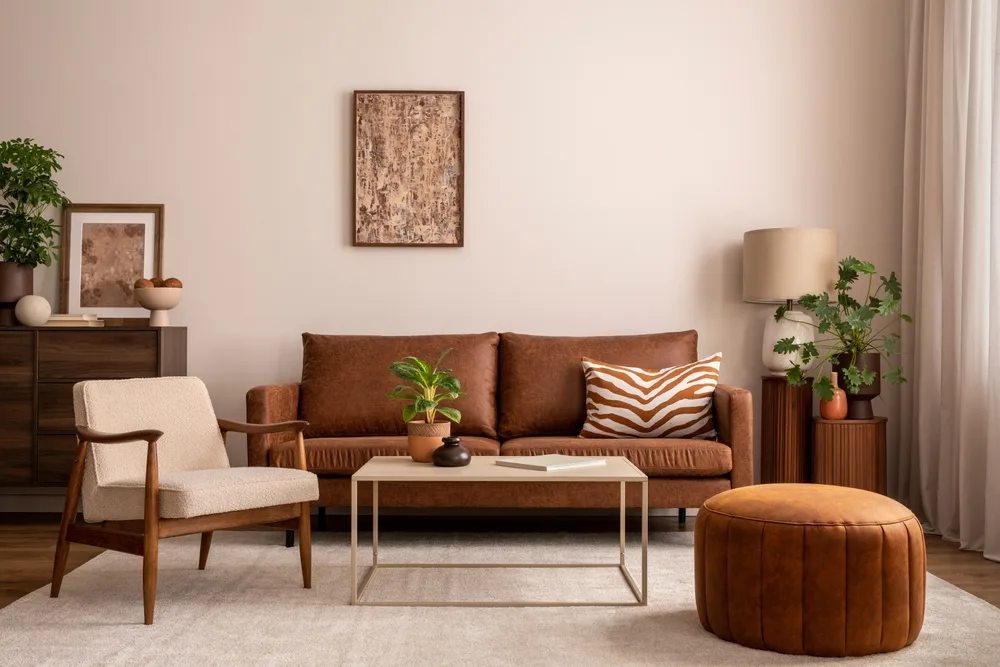
Molly said “Soft additions such as rugs, tactile blankets and cushions add warmth to a room both visually and physically. Adding these types of textures to a room, especially one where there are a lot of hard surfaces such as wooden flooring help to create visual balance and tactile comfort.”
3. Invest in high-quality furniture
“Believe it or not, even the material of your large furniture could be contributing to the temperature of your living room. For example, a leather-effect sofa will feel cooler to the touch, whereas upholstered fabric sofas such as velvet, boucle or cord feature a woven texture that holds heat.
“We’ve seen a movement of furniture tastes shift from basic, Scandi flat-packs to the more significant mid-century, retro or art-deco pieces. These styles are design-classics and will stand the test of time – not to mention can easily be found second-hand with a budget-friendly price tag.”
4. Bare walls
A living room is considered the heart of the home and is one of the prime rooms to add wall décor – without it the space may appear visually unbalanced with a lack of character.
Molly said “An empty wall can be a missed opportunity. Artwork or framed photos are a simple way to introduce warm colours and added texture into a room, especially if your space is painted in a neutral or cool toned colour. Mirrors also work great in a living room as they can bounce light around to make it feel both warmer and brighter.
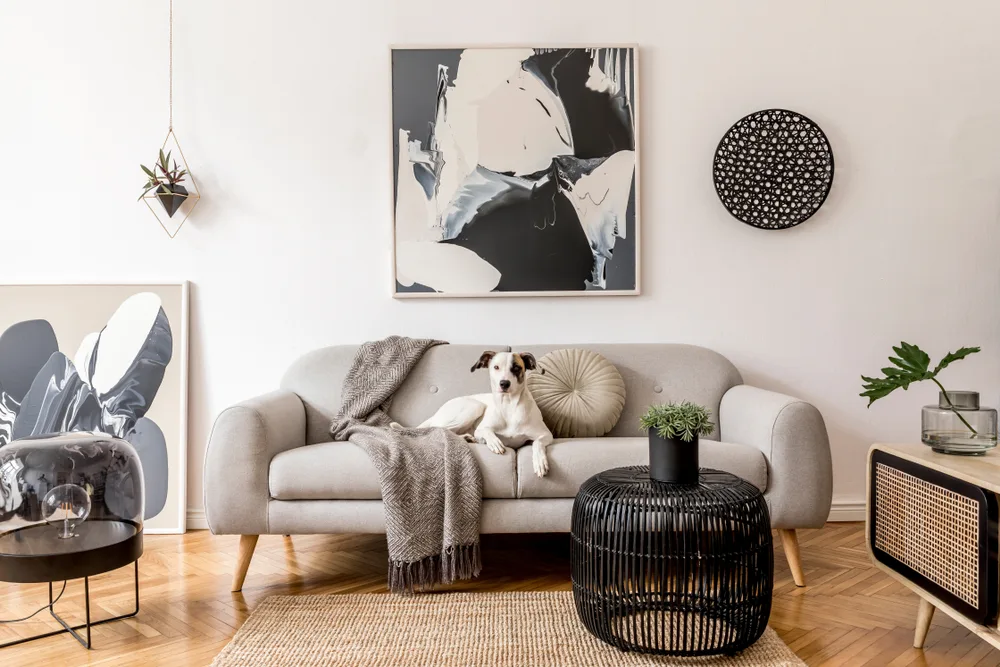
“Alternatively, if this is not your style, you may want to consider a half-split wall of paint colours or wallpaper. These visual elements break up large wall space, which will help to make your space feel cosy and considered.”
5. Limited lighting sources
Lighting is one of the most instantly effective ways to set a mood in your interiors. To keep your living room feeling cosy, welcoming and serene, switch off ‘the big light’ and instead use smaller sources of gentle, warm light through table lamps, floor lamps or even an electric fireplace. Additionally, candles are a great way to enhance a cozy ambience.
6. Blocking your radiators with furniture
Avoid blocking your main heat sources with furniture, as they will absorb the heat and stop it from circulating around the room.
Molly said “If your living area is too tight for space to move large furniture, it could be a good idea to get a secondary electric heater that can sit on the other side of the room to properly heat your space. Alternatively underfloor heating is a great way to ensure heat is evenly spread throughout your home, and is particularly effective in open-plan, tiled living/kitchen areas, that could be subject to feeling colder.”