How to Protect Your Home From Winter Weather: 8 Essential Tips

Share

8 Ways to Protect Your Property Against Winter Weather
From freezing temperatures and torrential rain to powerful winds and unexpected snowfall, discover eight practical ways to protect your home against winter weather and avoid costly property repairs.
There is something rather lovely about retreating indoors when the temperature drops, lighting the fire and enjoying the comforts of home. However, while we might be perfectly content watching the rain from the sofa, the winter months can be particularly unforgiving on our properties.
Heavy rainfall, strong winds, freezing temperatures and prolonged periods of damp weather can expose weaknesses in even the most well-maintained homes.
A seemingly insignificant crack in exterior brickwork, a blocked gutter or an inadequately insulated pipe can quickly develop into a much more expensive problem when severe weather arrives.
Fortunately, a little preventative maintenance can make a considerable difference. Taking the time to prepare your property before temperatures plummet could help prevent unnecessary damage, reduce heating costs and keep your home comfortable throughout the colder months.
Here are eight practical ways to protect your property against winter weather.
1. Check Your Roof Before the Weather Turns
Your roof is your property’s first line of defence against the elements, yet it is often one of the most overlooked areas of home maintenance.
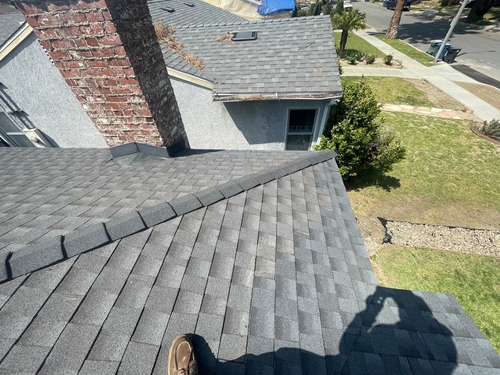
Loose tiles, damaged flashing and deteriorating mortar around chimneys can allow rainwater to penetrate the building. Once moisture finds its way inside, it can lead to damp patches, damaged plasterwork and potentially expensive structural repairs.
Inspect your roof from ground level, using binoculars if necessary, and look for visible signs of deterioration. Pay particular attention to missing tiles, uneven rooflines and damaged chimney stacks.
It is also worth checking your loft for signs of water ingress, including staining on timber, damp insulation or unexplained moisture.
Arrange for a qualified roofer to address any concerns before severe weather arrives. Never attempt to inspect or repair a roof during high winds, icy conditions or heavy rainfall.
2. Clear Gutters, Downpipes and Outside Drains
Autumn leaves might look beautiful scattered across the garden, but they can cause considerable problems when they accumulate in guttering and drainage systems.
Blocked gutters prevent rainwater from being carried safely away from your property. Instead, water can overflow onto exterior walls, contributing to penetrating damp, damaged brickwork and deterioration around windows and foundations.
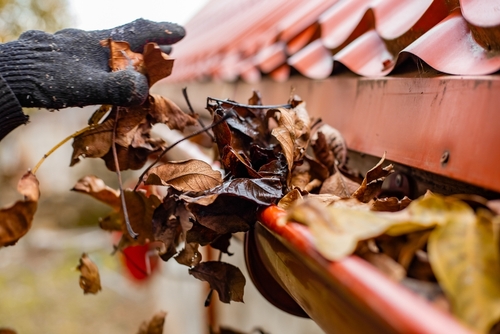
Before winter sets in, arrange for gutters and downpipes to be cleared and check that brackets, joints and connections are secure.
Ground-level drains should also be kept free from leaves, moss and other debris, particularly around patios, driveways and entrances.
If you regularly experience standing water around your property, it may be worth investigating whether the existing drainage system is adequate.
Preventative drainage maintenance is particularly important for older properties, homes surrounded by mature trees and buildings situated on sloping ground.
3. Insulate Pipes to Prevent Freezing
Few winter property problems are as disruptive as a burst water pipe.
When temperatures fall below freezing, water inside exposed pipes can freeze and expand, potentially causing the pipework to split. The resulting water damage may not become apparent until temperatures rise and the frozen water begins to thaw.
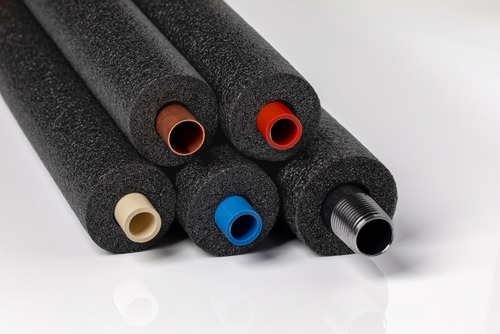
Pay particular attention to pipework located in unheated areas, including garages, lofts, utility rooms, outbuildings and external walls.
Foam pipe insulation is a relatively inexpensive improvement that can help reduce the risk of freezing. Outdoor taps should also be protected, and garden hoses disconnected before prolonged cold weather arrives.
If you are planning to spend time away from home during winter, avoid switching your heating off completely without considering frost protection and the conditions of your home insurance policy.
Make sure everyone in your household knows where the main water stopcock is located. Being able to isolate the water supply quickly could significantly reduce damage in the event of a burst pipe.
If a pipe freezes, turn off the water supply and seek professional advice if necessary. Never attempt to thaw frozen pipework using an open flame.
4. Seal Draughts and Improve Your Home’s Insulation
Keeping your property warm during winter is not simply a matter of turning up the thermostat.
Poorly sealed windows, draughty doors and inadequate insulation allow valuable heat to escape, making your heating system work harder and potentially increasing energy bills.
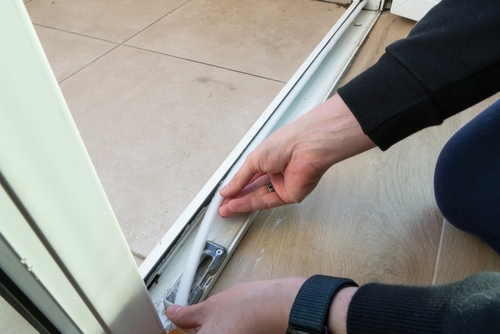
Inspect window frames and external door surrounds for deteriorating seals, gaps and damaged weatherstripping.
Draught excluders, thermal curtains and appropriate replacement seals can make rooms feel considerably more comfortable without requiring major renovation work.
It is also worth reviewing the condition of your loft insulation. Heat loss through an inadequately insulated roof can make maintaining a comfortable indoor temperature more difficult.
However, avoid sealing up essential ventilation points, particularly in rooms with fuel-burning appliances. Homes need adequate ventilation to control moisture, maintain air quality and reduce condensation.
The objective is to create a property that retains warmth while remaining properly ventilated.
5. Secure Your Garden and Outdoor Structures
Strong winter winds can turn everyday garden items into unexpected hazards.
Garden furniture, lightweight planters, outdoor decorations and children’s play equipment can all be displaced during severe weather, potentially damaging windows, vehicles, fences and neighbouring properties.
Before winter arrives, store lightweight garden accessories in a secure shed or garage wherever possible.

Check the condition of fencing, gates, pergolas and garden sheds, paying particular attention to loose panels, weakened posts and deteriorating fixings.
Mature trees should also be assessed for obvious signs of damage, dead branches or instability. If you have concerns about a large tree close to your property, consult a qualified arborist.
Avoid attempting to prune trees or secure large outdoor structures once strong winds have already arrived.
A little organisation in the garden during calmer weather can prevent considerable disruption when the next storm hits.
6. Service Your Heating System and Prevent Damp
A boiler breakdown is inconvenient at any time of year, but discovering that your heating system is unreliable during a prolonged cold spell can be particularly stressful.
Arrange an annual boiler service with an appropriately qualified engineer and investigate unusual noises, recurring pressure problems or radiators that are failing to heat properly.

If your property has a fireplace or wood-burning stove, ensure the chimney has been appropriately swept and the appliance maintained before regular winter use.
Check that smoke alarms and carbon monoxide alarms are working correctly, too.
Winter is also a common time for condensation and damp problems to develop. Cooking, showering and drying laundry indoors introduce moisture into the air, which can settle on colder surfaces.
To help manage indoor moisture:
- Use extractor fans when cooking and showering.
- Keep existing ventilation openings clear.
- Avoid drying wet laundry directly on radiators where possible.
- Allow air to circulate behind large pieces of furniture.
- Consider using a dehumidifier in rooms prone to excessive moisture.
- Maintain a reasonably consistent indoor temperature.
Persistent damp patches, peeling paint or recurring mould should be investigated rather than simply cleaned or painted over. They may indicate a leak, ventilation issue or another underlying building problem.
7. Prepare Your Property for Heavy Rain and Flooding
Flooding is not limited to homes situated beside rivers or coastal areas. Intense rainfall can overwhelm drainage systems, causing surface water to accumulate around properties that may not have previously experienced flooding.
Understanding your property’s flood risk allows you to make more informed decisions about protecting your home.

If you live in an area susceptible to flooding, consider professionally fitted flood barriers, suitable airbrick protection and other property flood resilience measures.
Important documents, sentimental possessions and valuable electrical equipment should be stored above potential flood levels wherever practical.
It is also sensible to keep digital copies of insurance documents, identification and other essential paperwork.
Review the terms of your home insurance policy to understand what protection is available for storm damage, flooding and escape of water.
If flooding becomes imminent, prioritise personal safety over possessions. Only isolate gas, electricity and water supplies if it is safe to do so, and never operate electrical switches while standing in water.
Follow official flood warnings and evacuation advice, and avoid entering floodwater unnecessarily.
8. Repair Small Exterior Problems Before They Become Expensive
Winter weather has a particularly unforgiving way of exposing neglected property maintenance.

Small cracks in rendering, deteriorating mortar joints, damaged window seals and peeling exterior paint might appear relatively harmless during warmer months. However, prolonged exposure to rain and freezing temperatures can accelerate deterioration.
When moisture enters small cracks and subsequently freezes, the expansion can place additional pressure on surrounding materials.
Walk around your property before winter and look for signs of wear, including:
- Cracked or damaged exterior rendering
- Deteriorating mortar between bricks
- Rotting external timber
- Damaged seals around windows and doors
- Loose exterior fixtures
- Cracked paving and uneven pathways
- Signs of persistent moisture around external walls
Not every crack indicates a serious structural problem, but new, widening or recurring cracks should be professionally assessed.
Addressing minor defects early can help prevent moisture penetration and preserve the appearance and condition of your property.
It is also worth checking outdoor pathways and steps for moss or algae, which can become particularly slippery during wet and freezing conditions.
Your Essential Winter Home Maintenance Checklist
Preparing your home for winter doesn’t need to involve an extensive renovation project. In many cases, a weekend spent assessing the property and arranging necessary maintenance can make a meaningful difference.
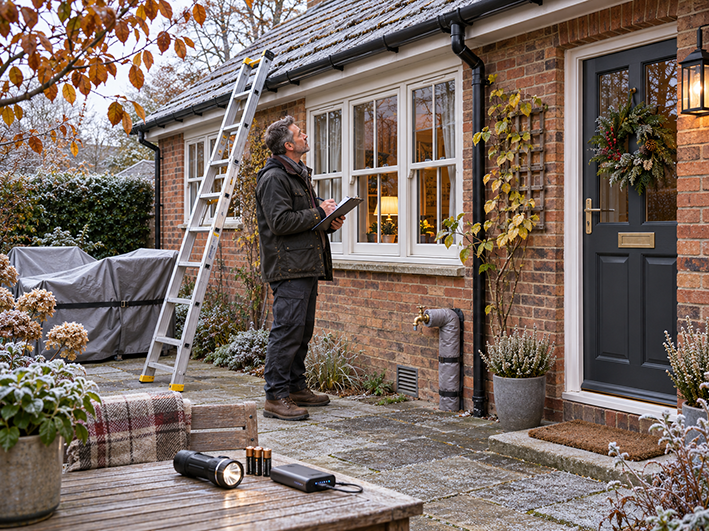
Use this checklist before the coldest months arrive:
- Inspect roof tiles, flashing and chimney stacks.
- Clear gutters, downpipes and external drains.
- Insulate exposed water pipes and protect outdoor taps.
- Locate and check your main water stopcock.
- Arrange a boiler service and chimney sweep where appropriate.
- Check smoke and carbon monoxide alarms.
- Inspect window and door seals.
- Secure garden furniture, fencing and outdoor structures.
- Investigate signs of damp and condensation.
- Review your property’s flood risk and insurance cover.
- Repair damaged brickwork, rendering and exterior timber.
- Keep torches, spare batteries and charged power banks available in case of a power cut.
Frequently Asked Questions About Protecting Your Home From Winter Weather
When should you start preparing your home for winter?
Early autumn is generally a good time to begin winter property maintenance. This allows you to identify potential problems and arrange repairs before colder temperatures, prolonged rainfall and severe weather make exterior maintenance more difficult.
What temperature should an empty house be kept at during winter?
There is no universal minimum temperature suitable for every unoccupied property. Insulation, pipe locations, heating systems and local weather conditions can all influence the risk of freezing.
Check your home insurance policy for specific temperature requirements and follow the frost protection guidance provided by your heating system manufacturer.
How can I stop my pipes from freezing in winter?
Insulate exposed pipework, protect external taps and maintain appropriate heating during freezing weather. Pay particular attention to pipes in lofts, garages and other unheated spaces. Knowing where your stopcock is located is also essential in case of an emergency.

Can heavy rain cause damp inside a house?
Yes. Heavy rainfall can contribute to penetrating damp if water enters through damaged roofing, defective guttering, deteriorating brickwork or poorly sealed windows. Identifying and repairing the source of moisture is important for preventing recurring problems.
How can I protect my windows during a winter storm?
Ensure windows are securely closed, inspect frames and fixings for deterioration, and move loose outdoor objects into sheltered storage before strong winds arrive.
Properties in particularly exposed locations may benefit from professionally designed storm protection measures.
Does home insurance cover winter weather damage?
Many buildings insurance policies include some protection against storms, flooding and burst pipes, but exclusions and conditions vary between providers.
Damage associated with gradual deterioration, inadequate maintenance or extended periods of unoccupancy may not be covered. Always review the details of your individual policy.
How often should gutters be cleaned?
Inspecting gutters at least twice a year, particularly during autumn and spring, is a sensible starting point. Properties surrounded by mature trees may require more frequent maintenance.
Additional checks following severe weather can help identify new blockages or damaged sections.
A Little Preparation Can Prevent Costly Winter Repairs
Our homes represent one of the most significant investments many of us will ever make, yet preventative maintenance is often postponed until something goes wrong.
Winter property protection is largely about recognising potential weaknesses before the elements have an opportunity to exploit them.
From maintaining your roof and protecting pipework to improving drainage and securing your garden, relatively straightforward improvements can help safeguard your property throughout the colder months.
Taking action before severe weather arrives could save considerable expense, inconvenience and unnecessary stress.
After all, winter is far more enjoyable when the only thing you need to worry about is whether to put another log on the fire