Urban Car Ownership Costs: How to Save Money

Share
The True Cost of Urban Car Ownership and How to Keep It Down
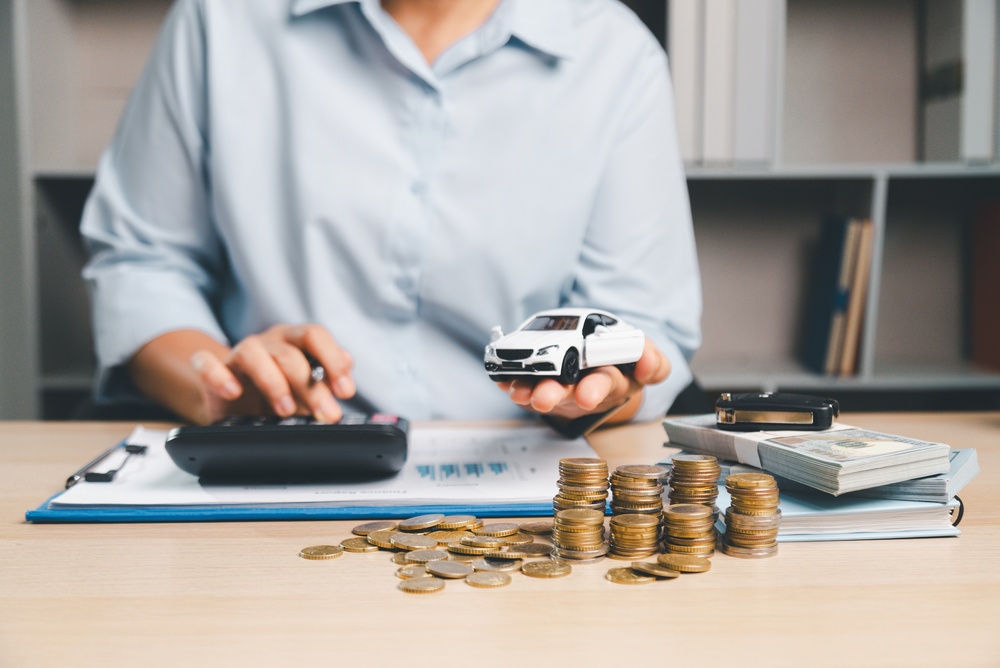
An urban vehicle can cost far more to run than its monthly payment suggests. Frequent short trips, limited parking and heavy traffic all affect the real bill, while depreciation can account for a substantial share of a vehicle’s total ownership cost. Looking at the full ownership picture helps you choose a car that suits city life and keeps everyday spending under control.
Looking Past the Initial Purchase Price
Start with the expected cost over the whole ownership period. Alongside the purchase price or finance payments, include insurance, servicing, tyres, parking permits and depreciation. A cheaper car may carry higher insurance premiums or lose value more quickly, wiping out the initial saving.
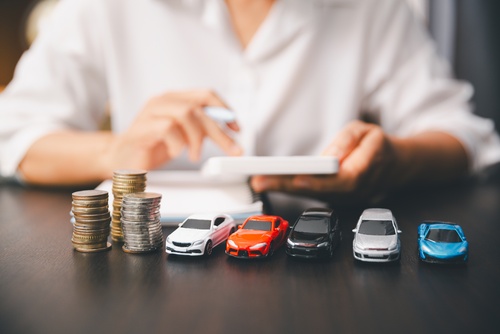
Estimate each expense over three to five years and divide the total by the number of months you expect to keep the vehicle. This produces a more useful figure than the advertised monthly payment. You can also use this guide to research a car before buying to compare ownership costs and other factors before making a decision. If your routine mostly involves commuting, shopping and school runs, this guide to choosing a Kia compact car can help you explore smaller models and consider their suitability for everyday use. Check finance mileage limits too, since excess-mileage charges can make an apparently affordable agreement expensive at the end.
Fuel Consumption in Stop-Start Traffic
Official fuel economy figures provide a comparison point, but city traffic can produce different results. Engines use fuel while idling; repeated acceleration demands more energy, and short journeys may end before the vehicle reaches its efficient operating temperature.
Automatic stop-start systems can reduce fuel used while idling at junctions, although the actual savings depend on traffic conditions and the vehicle. Consumer Reports examined the fuel economy benefits of this technology, while laboratory work on stop-start fuel consumption offers further detail on potential savings under different conditions.
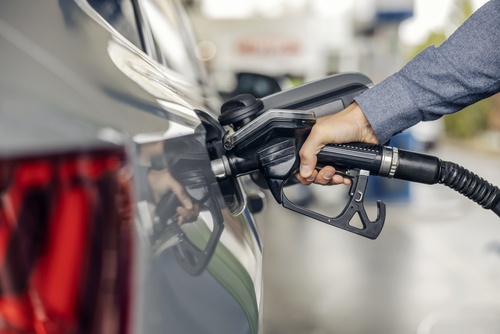
Your driving habits still matter. Accelerate smoothly, keep tyres at the recommended pressure and remove heavy items that live unnecessarily in the boot. Combine several errands into one outing where practical. Covering the same total distance in one journey may use less fuel than making several separate short trips, partly because the engine has fewer cold starts and more time to reach its normal operating temperature.
Sizing Down Without Sacrificing Comfort
A smaller exterior can lower fuel, tyre and parking costs, but cabin design matters as much as overall length. Sit in the front and rear seats, adjust the driving position and check visibility before deciding. Some compact vehicles use upright seating and a tall roof to provide surprising headroom within a modest footprint.
Test the boot with items you carry regularly. A pushchair, weekly shop or work bag gives you more useful information than a capacity figure alone. Folding rear seats may cover occasional larger loads without forcing you to pay for unused space every day.

Also check the turning circle and door opening width. Both affect urban convenience, especially in narrow multi-storey bays. During a test drive, include speed bumps, rough surfaces and a busy junction so you can judge ride comfort, noise and low-speed visibility in realistic conditions.
Protecting Resale Value Over Time
Depreciation is often one of the largest ownership costs, even though it never appears at the petrol station or repair desk. You can limit avoidable losses with regular maintenance and clear records. Follow the recommended service schedule and retain invoices for inspections, replacement tyres and other work.
Deal with minor damage promptly. A small paint chip can develop into corrosion, while a stained seat becomes harder to restore after months of use. Use fitted mats, clean spills quickly and avoid improvised repairs that may be obvious to a future buyer. Mileage also influences value, so record it periodically and check that any annual estimate still reflects your routine.
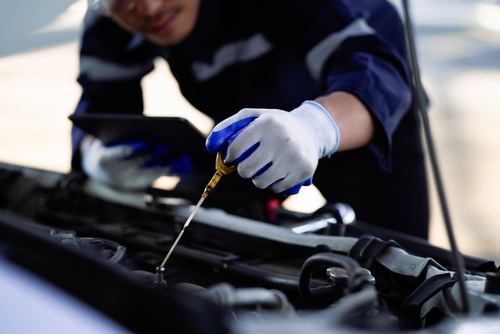
Before selling, gather the service history, manuals and spare key in one place. A clean, properly documented vehicle gives buyers fewer reasons to negotiate aggressively, which can recover far more than a last-minute cosmetic upgrade.
The most revealing figure is your estimated monthly ownership cost after fuel, maintenance and depreciation are included. Compare that number across your shortlist before signing, then choose the vehicle whose size and running costs fit the journeys you actually make.