
The Smart Way to Research a Car Before You Buy

Share

Buying a car is a large financial decision for most of us. It ranks right behind buying a house in terms of cost. Still, quite a few people put more effort into choosing a new TV or phone than into researching the car itself.
You might feel excited during a test drive. Or your old car might break down and create an urgent need for something new. That quick urge to sign on the spot happens to a lot of buyers.
Don’t rush into it.
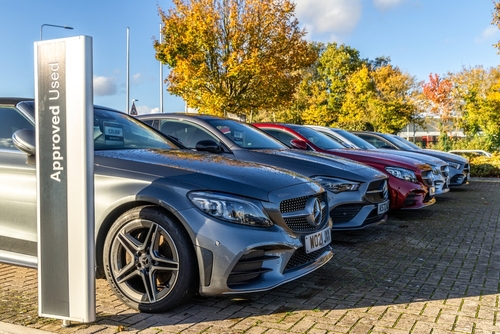
Good research matters in today’s market. It doesn’t matter if you’re after a family SUV, a cheap daily driver, or a used luxury car. Checking the facts first is the best way to prevent costly errors. And these days, there are many digital tools available to help you look past the exterior and understand exactly what you’re getting.
One of the first places you should check is Car Owl. It provides vehicle history checks and useful data to help you make a more informed decision before buying.
Still, before you start talking numbers with anyone, it helps to have a clear plan. Here’s a simple way to research your next car properly.
Step 1: Define Your Real Needs (Not Your Wants)
Many people get drawn to flashy options like convertibles or V8 engines, but these may not fit their actual situation. The smart approach is to start with practical requirements.
Take a sheet of paper and note down what really matters to you:
- Budget: Add up tax, insurance, fuel, and maintenance – go beyond just the listed price.
- Usage: Be realistic about mileage. Is it 5,000 miles a year in town, or 20,000 miles on longer roads?
- Space: Check if you need seven seats, or whether a standard hatchback would work fine.
Defining these points early reduces the chance of making a decision based only on excitement.
Step 2: Check Car Reliability

Nothing turns a bargain into a problem faster than constant breakdowns. After narrowing your list to three or four models (Ford Focus, VW Golf, Honda Civic), go check real owner experiences.
Skip the single journalist reviews. Those cars are usually prepped specially. Head to forums and owner clubs instead to hear from people who have owned the car long-term.
Search for repeated issues. Look out for “known issue,” “recall,” or big repair costs. Focus especially on the transmission and infotainment system – they’re expensive when they go wrong.
Step 3: Calculate Total Ownership Costs
The price on the windscreen is just the entry fee. Smart buyers calculate the “pence per mile” over three years.
- Depreciation: Some cars lose 60% of their value in three years; others lose only 30%. Use a depreciation calculator to see which holds its value.
- Insurance Groups: A sporty trim might look cool, but it could push you up three insurance groups.
- Tax (VED): Post-2017 diesel and petrol rates vary wildly. A car that saves you £500 on fuel might cost you an extra £200 a year in tax.
Step 4: The Virtual Test Drive (Using Video)
You should absolutely drive the car before you buy it, but you should watch someone else drive it first. YouTube is your best friend here. Search for “2020 Mazda CX-5 review” or “Ford Puma long-term test.”
However, don’t just watch the big, sponsored channels. Look for the amateur reviewer who owns the specific engine size and gearbox you want.
Pay attention to:
- Cabin noise at 70mph.
- Seat comfort after an hour.
- How the infotainment lags (or doesn’t) when starting up.
Step 5: The Paperwork Tells the Story

Once you find a specific car for sale, stop looking at the paint and start looking at the paperwork. Ask the seller for the V5C logbook (check it matches their ID) and the service history.
- The Service Book: Look for “alternating” stamps—oil changes every 12 months or 12,000 miles. A full history is great; a full “dealer” history is better.
- MOT History: The UK government website lets you check any car’s MOT history for free using the registration number. Look for “advisories.” If a car had an advisory for “corroded brake pipes” three years in a row, the owner neglected it.
Step 6: The Covert Recon Mission
Never view a car at night or in the rain. Always in dry, bright daylight. But before you touch the car, walk around it slowly. Look down the sides of the car (the “line of light”) to spot ripples in the bodywork indicating a crash repair. Check for mismatched tyre brands—if the owner cheaped out on rubber, they cheaped out on maintenance.
Step 7: The Negotiation (Use the Data)
This is where your research pays off. When the seller quotes a price, you should know the market value within £200. You should know that the timing belt is due in 10,000 miles (a £500 cost). You should know that the model’s infotainment system has a recall.
If you know the car has been listed for eight weeks and reduced twice without selling, you have the upper hand. You can look the seller in the eye and say, “I see this has been listed for 60 days at £12,000, but similar models have sold for £11,200. I’ll take it today for £11,000 cash.” That confidence comes from research, not luck.
The Final Checklist
Before you pay anything, run through a quick checklist. Do an HPI check to confirm the car isn’t stolen, written off, or still on finance. Inspect it yourself and test every button, light, and window switch. Then take it for a drive and listen for knocks over bumps or whining when turning the wheel.
Buying a car doesn’t have to be risky. Take it slow. Check the history, compare prices, read owner forums, and go through the paperwork. That way, you decide with facts, not feelings.
Do the research properly, and you’ll likely end up with a good car and money left in the bank.

