
Barn Find Restoration: Hidden Costs and Expert Tips

Share

Barn Find Restoration: What to Know Before Bringing a Classic Car Back to Life
A barn find can look like an affordable route into classic car ownership, yet the purchase price often represents only a small part of the final bill. The economics of barn find restoration depend on the vehicle’s condition, parts availability and the quality of previous repairs.
Before arranging transport or ordering components, owners need a realistic picture of what years in storage may have done beneath the surface.
The Romance of the Forgotten Garage
Dusty paintwork and an untouched interior create a powerful sense of discovery. Sellers may also describe a vehicle as complete, which sounds reassuring until you inspect each component closely. A complete car can still contain an unusable engine, seized brakes and brittle trim.

Treat the first viewing as an evidence-gathering exercise. Photograph the body, cabin, engine bay and underside, then confirm that identification numbers and paperwork match. Avoid trying to start an engine that has sat for decades. Old oil, contaminated fuel or stuck internal parts could turn a repairable unit into a major rebuild.
Beneath the Dust Lies Deep Corrosion
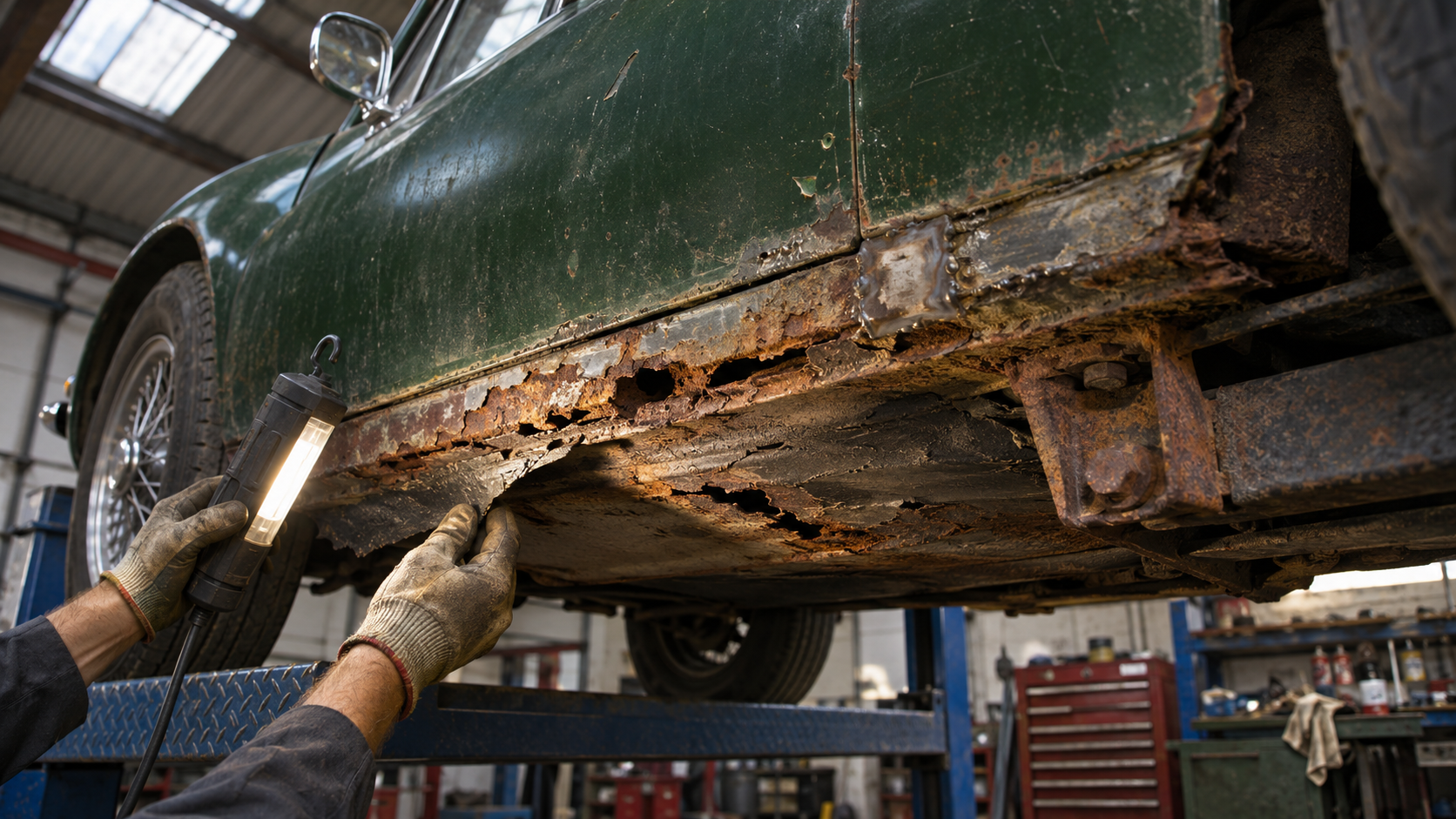
Surface rust is easy to see, but structural corrosion often develops inside sills, floor sections, mounting points and box sections. Fresh underseal can hide earlier patch repairs, so inspect seams and drainage points closely. The UK’s MOT inspection standards provide useful context on areas where corrosion may affect safety.
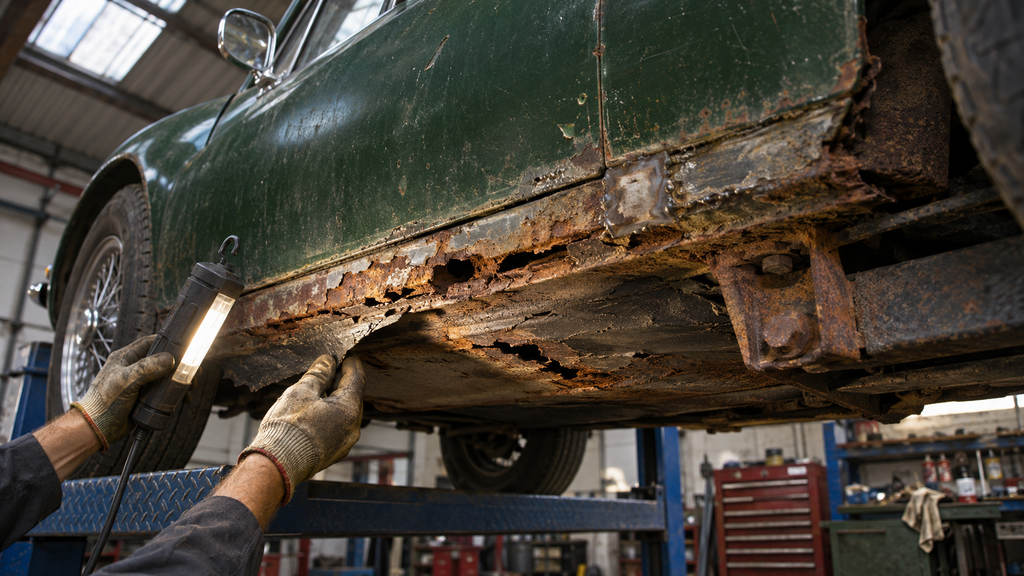
A specialist assessment can reveal the likely scale of cutting, fabrication and welding before work starts. Owners in Warwickshire and the Midlands considering full or partial classic car restoration should ask for the body to be inspected before committing their entire budget to mechanical parts or paint.
Budgeting for True Classic Car Restoration
Build your budget around systems, not a single headline estimate. Separate the project into bodywork, paint, mechanical repairs, electrics, interior trim, glass and finishing details. Add transport, storage and specialist inspection costs as their own entries.

Parts prices can also change once dismantling begins. A £100 seal kit may lead to the discovery of a damaged housing that must be repaired or replaced. Keep a contingency of around 20 to 30 per cent for hidden defects and unavailable components. Agree how extra work will be authorised and documented, especially if the car needs rare panels made by hand. This prevents small additions from quietly overwhelming the original budget.
Navigating Obsolete Electrical Systems
Long storage periods are hard on wiring. Insulation becomes brittle, connectors corrode, and rodents may damage hidden sections of the loom. Previous owners sometimes add switches or accessories without fuses, leaving a confusing collection of wires under the dashboard.
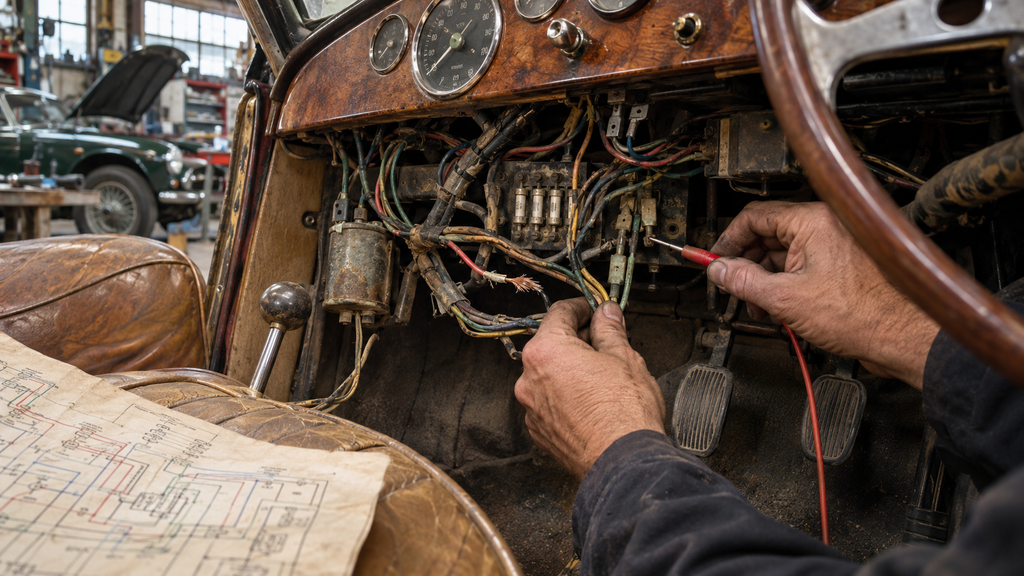
Start with the battery disconnected and obtain the correct wiring diagram for the model and production year. An automotive electrician can test continuity, earthing points, charging circuits and insulation before power is restored. Decide early if originality matters more than everyday usability. A replacement loom may preserve the original layout whilst using modern insulation, but modified systems require careful documentation so future fault-finding remains manageable.
Realistic Timelines for Recommissioning
A running vehicle may need several weeks of inspection and servicing before it can be driven reliably. A non-running but solid example could occupy a workshop for months, while extensive metalwork, paint preparation and parts sourcing can extend a project beyond a year. Lead times also depend on specialist availability and the order in which jobs must happen.
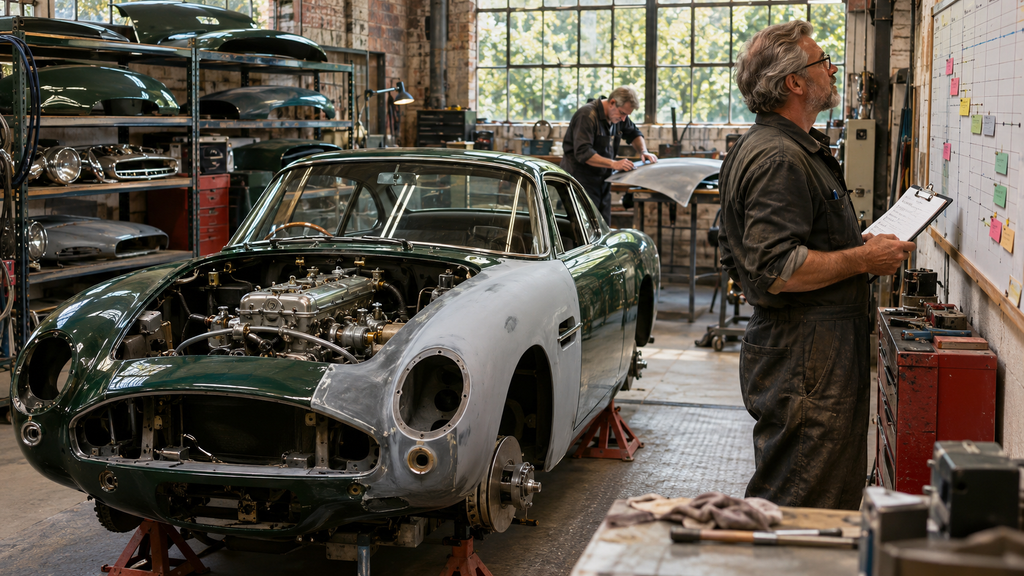
Set milestones for assessment, dismantling, structural repairs, paint, reassembly and road testing. Allow extra time after completion for fluid leaks, electrical faults and adjustments to appear during short test runs. The most useful first milestone is simple: obtain a written condition report before deciding how far the restoration should go.