What to Fix in January to Avoid Costly Outdoor Repairs in Spring

Share
What to Fix in January to Avoid Costly Repairs in Spring
January is seen as a quiet month for home improvements, but experts say it’s actually one of the most important times of the year to act. The damage caused by winter rain, repeated freeze-thaw cycles, and cold temperatures is usually ignored until spring, when small problems become expensive repairs.
According to Decorative Aggregates, homeowners who use January to inspect and address important outdoor problem areas can avoid thousands of unnecessary costs later in the year, especially when it comes to drainage, surfaces, and structural wear.
Here are the key outdoor fixes homeowners should take care of in January to stop drainage issues, erosion, and surface damage without them turning into costly repair once spring arrives.
Drainage Problems Around Hard Landscaping
Poor drainage is one of the most common causes of long-term outdoor damage. In winter, compacted soils and worn surfaces stop water from draining away sufficiently, causing pooling around patios, paths, and the edges of homes.
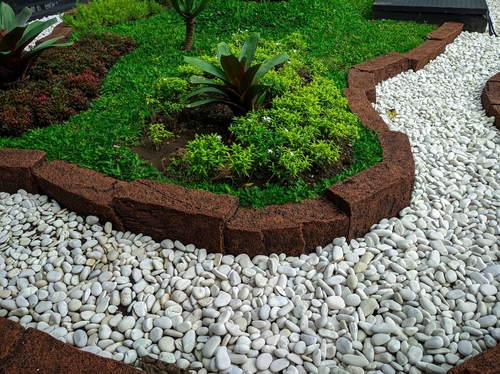
When untouched, standing water can weaken foundations, encourage algae growth, and trigger surface breakdown, making areas unsafe and slippery. January is the best time to identify where water consistently collects and help improve permeability before spring rainfall arrives. Permeable solutions are often recommended, like replacing compacted ground with decorative gravel, which allows water to drain naturally, as well as protecting surrounding surfaces.
Surfaces At Risk from Freeze-Thaw Cycles
The most damaging winter processes for outdoor areas are freeze-thaw cycles. As water seeps into small cracks underneath driveways or paving it then freezes at night and expands and slowly forces surfaces apart.
Paths, patios, and driveways need to be inspected in January for early signs of movement. Look out for widening joints or uneven slabs. Addressing these issues out urgently can stop full resurfacing later on in the year, when damage cannot be ignored.
Erosion and Instability in Garden Borders
Edges and garden borders usually suffer in silence during winter. Heavy rain can wash away soil, causing hard landscaping to be exposed and leave edges unsupported. Over time, the erosion can impact the stability of external structures and create harder repair work in the spring.
Reinforcing at-risk edges early in the year helps keep structural durability and lowered the chance of slippage or collapse once the ground shifts and dries.
Slippery Paths and Safety Risks
Smooth paving and poorly draining walkways become hazardous in winter, especially where moss and algae expand in damp conditions. Even with the safety risks, recurring moisture retention can permanently damage surface finishes.
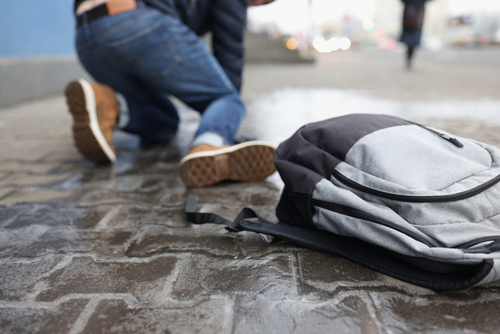
Experts recommend assessing both drainage and grip this winter, rather than depending on temporary fixes once foot traffic rises in spring.
Small Defects That Worsen Over Time
Sunken paths, minor cracks, and loose edging might seem unmint during winter, but cold water often triggers their deterioration. January is the ideal time to start a full perimeter check of the property, addressing issues that can be resolved quickly and affordably.
January Fixes That Save Money Later
Watch where water sits after heavy rain – frequent puddles now often become cracked paving or subsidence in spring.
Check outdoor surfaces for movement – small changes in paths or patios are easier to stabilise in winter than fix later.
Prioritise drainage over looks – helping water flow now stops long-term structural damage.
Stabilise worn areas early – supporting high-traffic zones in January, lower erosion and surface breakdown.
Think preventive, not cosmetic – January fixes should protect your property, not just refresh how it looks