
Hair Loss and Mental Health: Expert Insights for Men

Share

With trends like #mensgrooming racking up 1.9 billion views on TikTok, and influencers asking advice on their looks, it’s clear that male appearance is under more scrutiny than ever*.
One of the main sources of insecurity for men is hair loss, with nearly 70% considering their hair an important part of their appearance**.
In support of Men’s Mental Health Month, Dr. Balwi, leading hair surgeon at Elithair, discusses the effects of hair loss on mental well-being and shares advice for those experiencing a loss of confidence.
Dr. Balwi, leading hair surgeon at Elithair, comments:
How do men feel about losing hair?
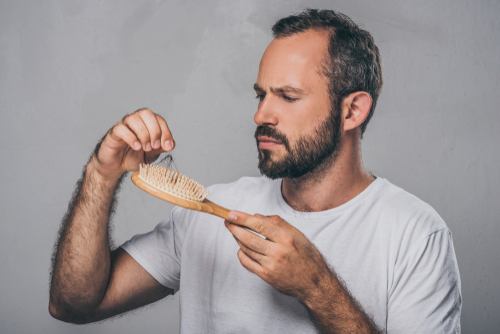
According to King’s College London, more than 80% of adults with alopecia areata also report symptoms of anxiety or depression, over 50% feel embarrassed about their condition, and more than a third experience difficulties in everyday activities such as work, study, household tasks, family relationships, or leisure activities***.
Reduced self-confidence in personal attractiveness was also reported by 38% of men who were not in stable romantic relationships, highlighting how hair loss can affect both self-image and social confidence**.
How can hair loss impact your mental health?
Dr. Balwi explains: “Hair changes can deeply influence how a person feels, often leading to feelings of low self-esteem, anxiety, or even depression. Because hair is so closely linked to identity and personal appearance, thinning or loss can make individuals feel less confident or attractive and may cause them to withdraw from social situations. Despite how common it is, there is still a great deal of stigma surrounding hair loss, which can make individuals hesitant to speak openly about their experiences.”
How to build confidence when dealing with hair loss
Dr. Balwi says: “When dealing with the emotional side of hair loss, it’s important to start by opening up about the way you’re feeling, whether that’s to a friend, family member or licensed therapist. Discussing your feelings with others can bring comfort and help you see your experience from a more balanced point of view.”
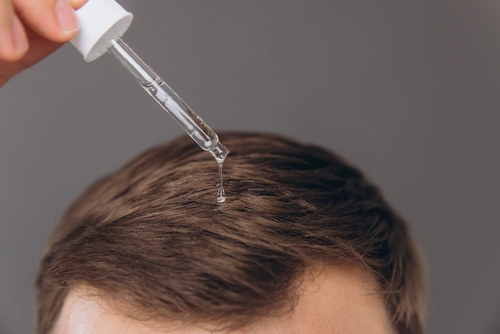
“Alongside emotional support, maintaining a consistent scalp and hair care routine is key. Even small things like using the right products for your hair type or implementing a consistent wash routine can improve appearance and self-esteem.”
“When hair loss becomes more severe, it’s important to visit a qualified dermatologist who can assess the cause and recommend appropriate treatment options. Depending on the type of hair loss, treatments may include medications, targeted therapies, or hair transplants designed to encourage healthy regrowth. These approaches not only enhance appearance but can also significantly boost personal confidence.”
No More Excuses: 10 Reasons People Skip Workouts (and How to Overcome Them)


