
The Bald Truth: How Men Really Handle Hair Loss

Share

From transplants to toupees, new data reveals how men are reshaping the hair restoration landscape and what their choices say about shifting attitudes toward confidence.
New data from the International Society of Hair Restoration Surgery (ISHRS) shows that men are exploring everything from permanent transplants to realistic hair systems and low-commitment, non-surgical therapies, each offering a different balance of cost, convenience, and confidence.
With more treatment options available than ever, men facing hair loss are no longer limited to a single path. According to Dr. Emrah Cinik, the growing diversity of solutions signals a shift in how men view hair loss itself—not as something to hide but as something they can now manage on their own terms.
Hair Transplants
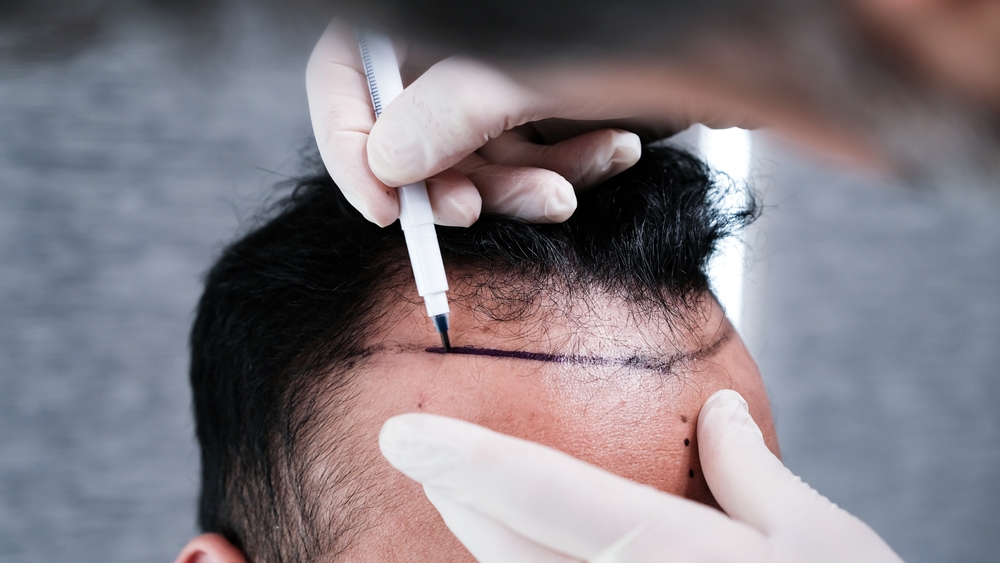
Hair transplants offer a permanent, natural-looking solution that restores confidence through visible, long-lasting results. Advances in precision and recovery time have made surgery more accessible and discreet.
- The total number of hair restoration patients, both surgical and non-surgical, increased by 19.6% globally.
- Among first-time surgical patients, 57.6% were aged 26–35, and 37.3% were between 20–25, showing growing comfort with early intervention.
- The number of female surgical patients rose 16.5% compared to 2021, signalling a widening appeal.
- Interest in “hair transplant” peaked in July 2025, the highest in two decades, with search growth of 10% in the UK (Google Trends).
Hair Systems
Hair systems offer instant results with no recovery time or surgery, allowing individuals to experiment with their look while maintaining flexibility and affordability.
- Once stigmatised, toupees and wigs are now called “hair systems,” a shift that reflects changing attitudes.
- Although only 1.2% of patients currently opt for hairpieces or extensions, hair systems are becoming more socially accepted, with less stigma and more conversations around them.
- TikTok creator @ToupeQueen, with 890,000+ followers, showcases realistic before-and-after transformations that challenge outdated perceptions.
- Search data shows a 28% increase in the UK from October 2020 to October 2025.

Non-Surgical Treatments
Non-surgical treatments provide a lower-commitment, preventive approach that fits easily into daily routines. These are ideal for those focused on maintaining and protecting existing hair.
- Non-surgical hair restoration saw a 29.7% increase in 2025, according to ISHRS data. This is the strongest rise among all treatment categories.
- Popular options include PRP therapy, topical medications, nutritional supplements, and low-level laser therapy (LLLT), offering accessible and minimally invasive ways to slow or reverse thinning.
- These methods are ideal for men seeking gradual improvement or looking to maintain results after surgery.
- Many now combine non-surgical therapies with styling or surgical solutions for a more holistic approach to hair wellness.
“Hair loss is a deeply personal experience that can affect confidence, self-image and even daily routines. What stands out in the latest data is how men are beginning to take ownership of that experience. The rise in both surgical and non-surgical treatments shows that more people are seeking solutions that help them feel and look their best.
Men today have a wide range of options to manage hair loss. Surgical procedures provide a permanent, natural-looking solution, while non-surgical treatments like PRP therapy, topical medications, nutritional supplements, and low-level laser therapy allow gradual improvement without downtime. Modern hair systems offer instant results and flexibility, letting individuals experiment with their appearance while avoiding invasive procedures.
What excites me most is that men now have the ability to manage hair loss on their own terms. With guidance and the right approach, they can choose solutions that fit their lifestyle and goals, helping them feel more confident and empowered every day,” says Hair Restoration Specialist Dr. Emrah Cinik.
Biological Age Explained: Why It Matters for Your Health, According to Experts

