Auto Expert Picks: 5 Modern Cars Destined to Be Future Classics

Share

Every classic car gracing Britain’s roads today started life as someone’s everyday motor. The Jaguar E-Type was once just another sports car in a showroom, the Mini Cooper was basic transport for the masses, and even the legendary Aston Martin DB5 was, at the time, simply the latest model from a struggling British manufacturer.
But what if you could spot tomorrow’s classics today? William Fletcher MBE, CEO of automotive platform Car.co.uk, believes several cars currently on British roads are destined for classic status. “The pattern is always the same,” Fletcher explains. “Cars that seem ordinary today become extraordinary tomorrow, especially when they represent the end of an era or capture something special about their time.”
With the automotive world shifting rapidly toward electrification, Fletcher has predicted five modern vehicles that could be the Jaguar E-Types and Mini Coopers of the future – the cars that future generations will most likely treasure as classics.
The Five Cars Set to Become Britain’s Next Classics
1. Jaguar F-Type – The Last Roar of British Sports Car Heritage
The Jaguar F-Type has already earned its stripes as a future classic, and for good reason. Production ended in June 2024, making it the final chapter in Jaguar’s traditional sports car story before the brand goes fully electric.
“The F-Type perfectly captures what made British sports cars special,” says Fletcher. “It’s got that long bonnet, aggressive stance, and most importantly, it sounds absolutely magnificent. When you hear that V8 growl, you know you’re experiencing something that won’t exist in ten years’ time.”
The F-Type’s combination of heritage-inspired design and modern engineering makes it perfect for classic status. Its dramatic styling echoes the legendary E-Type while delivering contemporary performance that can embarrass supercars costing twice as much.

2. Suzuki Jimny – The Tiny 4×4 with Giant Appeal
Don’t let its compact size fool you! The current-generation Suzuki Jimny is already developing a cult following that rivals much more expensive machinery. The boxy little 4×4 was effectively banned from European sale due to emissions regulations, instantly creating the scarcity that classic car values thrive on.
“The Jimny represents something pure that’s disappearing from the automotive world,” Fletcher notes. “It’s simple, honest, and incredibly capable off-road. Plus, it looks like nothing else on the road. That retro styling isn’t trying to be clever. It just works.”
The Jimny’s charm is in its no-nonsense approach. While other manufacturers pile on technology and complexity, Suzuki kept things refreshingly simple. That simplicity, combined with its exceptional off-road ability and distinctive looks, has created waiting lists and inflated used prices even while the car was still in production.
3. Toyota GR Yaris – The Rally Car for the Road
The Toyota GR Yaris is no ordinary hot hatch – it’s a homologation special built to satisfy World Rally Championship regulations. That racing pedigree, combined with limited production numbers, has already made it a collector’s darling.
“The GR Yaris is special because it exists for one reason: to go rallying,” explains Fletcher. “Toyota didn’t compromise or try to make it appeal to everyone, but instead built exactly what they needed for competition, and we got to buy it.”
With its bespoke three-door body, all-wheel-drive system, and screaming three-cylinder turbo engine, the GR Yaris offers an experience unlike anything else in its class. Production was deliberately limited, and many examples have already found their way into collections rather than daily use.
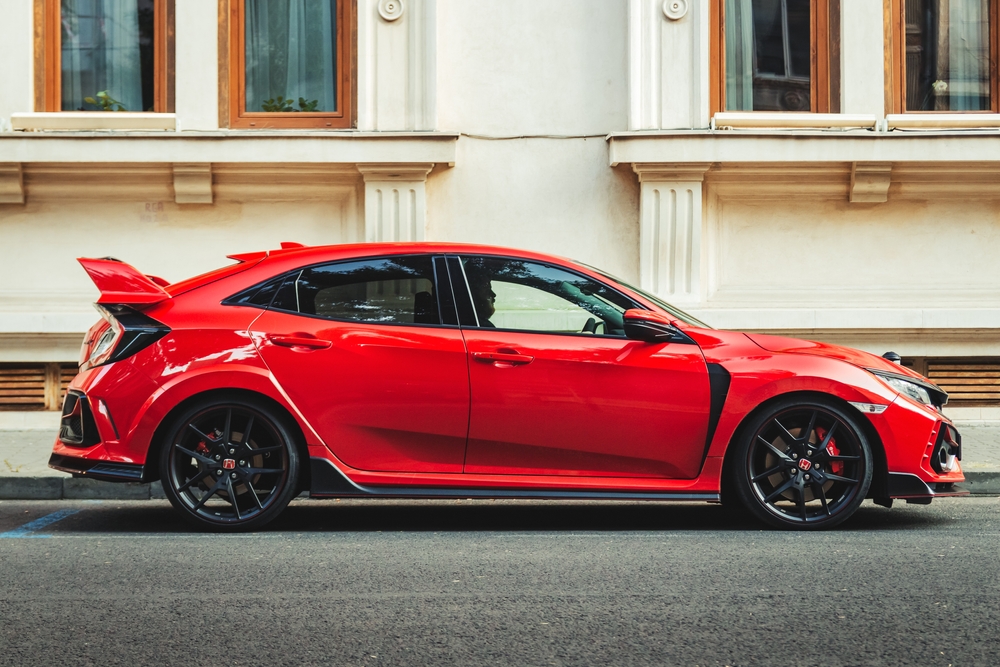
4. Honda Civic Type R – The Manual Transmission’s Last Stand
The current Honda Civic Type R represents the end of an era. It’s the final manual, front-wheel-drive Type R before Honda inevitably succumbs to electrification and all-wheel drive.
“This Type R is the last of its kind,” Fletcher emphasises. “It’s manual, it’s front-wheel drive, and it’s absolutely bonkers fast. When everything goes electric and automatic, people will remember this as the peak of the naturally-aspirated hot hatch.”
The 2025 European-spec model delivers raw, unfiltered performance that stands in stark contrast to the increasingly sanitised world of modern cars. Its aggressive styling and track-focused setup make no apologies for being difficult to live with, a trait that future enthusiasts will treasure.
5. Caterham Seven – Timeless British Engineering
The Caterham Seven might seem like an obvious choice, but its continuous production since the 1970s actually strengthens its classic credentials. As a direct descendant of the original Lotus Seven, it represents an unbroken line of British lightweight sports car philosophy.
“The Seven is already a classic that’s still in production,” Fletcher points out. “It’s the purest driving experience money can buy, and that purity becomes more valuable every year as cars get heavier and more isolated from the road.”
The Seven’s minimalist approach (no roof, no doors, no unnecessary weight) delivers a driving experience that modern cars simply cannot replicate. As the automotive world becomes increasingly complex, the Seven’s simplicity becomes its greatest asset.
William Fletcher MBE, CEO of Car.co.uk, commented:
“What makes a car a future classic isn’t always obvious when it’s sitting in the showroom. The most valuable classics today – your E-Types, your original Minis, your DB5s – were just regular cars that people bought, drove, and often threw away when something newer came along.
“Right now, we’re living through the biggest change in automotive history since the invention of the car itself. Internal combustion engines, manual gearboxes, and pure mechanical engineering are all heading for the history books. The cars I’ve highlighted may well be the last of their kind. In twenty years’ time, when everything’s electric and autonomous, people will look back at the F-Type’s V8 roar or the Civic Type R’s manual gearbox with the same nostalgia we have for carburettors and chrome bumpers today.
“Smart collectors know it’s not always the priciest or flashiest cars that become icons. Some of our greatest classics were affordable when new, such as the original Golf GTI, the BMW E30 M3, and even the Ford Escort RS. If you’re thinking about getting into classic cars, don’t wait for these to become expensive. By then, it will likely be too late.”
How Much Does It Cost to Convert a Van into a Campervan? A Realistic Budget Guide