DIY Season Mistakes: 7 Autumn Jobs That Could Invalidate Your Home Insurance

Share

🍁🛠 DIY Season Mistakes: 7 Autumn Jobs That Could Invalidate Your Home Insurance
As the colder months arrive, homeowners across the UK are picking up their paintbrushes, sealant guns, and toolkits to make their houses feel warmer and cosier. But while DIY can be rewarding, it can also be risky. Insurance broker Forum Insurance warns that common mistakes could see homeowners footing bills of up to £6,600, with claims rejected due to preventable damage or unqualified work.
Niraj Mamtora, director and home insurance expert at Forum Insurance, has reviewed the most popular DIY projects people tackle during autumn and explained the errors most likely to result in denied claims.
1. Accidentally Drilling Into Pipes or Wiring: Up to £6,600
“Putting up shelves or curtain poles is a quick way to make a room feel cosier, but one wrong drill hole can be very expensive. A burst pipe typically costs around £600 to fix, while hitting electrical wiring can mean a full rewire costing up to £6,600. Because insurers see this kind of damage as careless rather than unavoidable, claims are often rejected.”
Tip: Always use a cable and pipe detector before drilling.
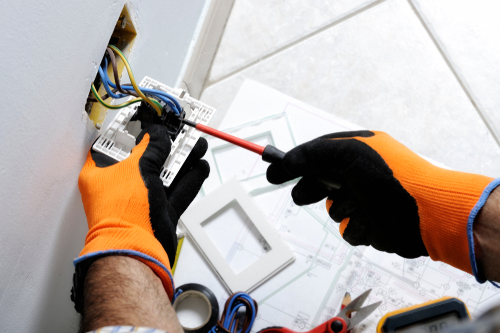
2. Attempting Plumbing or Electrical Work Without Certification: Up to £5,000
“Moving a radiator or changing a light fitting might look simple on YouTube, but without the right qualifications it’s both dangerous and expensive. A botched plumbing job can lead to water damage costing £5,000 to repair, while faulty electrics can cause fires that cost tens of thousands. Insurers usually exclude this type of unqualified work.”
Tip: Hire a registered professional for plumbing, electrical, or gas tasks.
3. Skipping Wall Preparation Before Painting: Up to £3,500
“Painting warmer tones is one of the most popular autumn jobs, but if you skip the prep work, problems follow. Damp patches or flaking paint can end up costing as much as £3,500 to strip back and redo professionally. Because it’s classed as preventable deterioration, insurers won’t normally cover it.”
Tip: Always sand, clean, and prime surfaces. Use moisture-resistant primers in kitchens and bathrooms.
4. Poorly Insulating or Draught-Proofing Windows and Doors: Up to £2,500
“Painting warmer tones is one of the most popular autumn jobs, but if you skip the prep work, problems follow. Damp patches or flaking paint can end up costing as much as £3,500 to strip back and redo professionally. Because it’s classed as preventable deterioration, insurers won’t normally cover it.”

Tip: Use approved materials and follow manufacturer instructions carefully.
5. Neglecting Gutter and Roof Maintenance: Up to £1,500
“Blocked gutters are one of the easiest things to prevent, yet they’re behind countless insurance disputes. Water ingress from overflowing gutters or loose roof tiles can cost around £1,500 to repair, sometimes more. But if it’s clear the damage was built up over time, insurers often reject claims on the basis of poor maintenance.”
Tip: Clear gutters regularly and check roof tiles before winter storms hit.
6. Poorly Securing Heavy Fixtures Like TVs and Shelving: Up to £1,000
“Autumn is when many people mount TVs or put up shelves ready for the cosy season, but if they’re not fixed properly, they can fall and cause serious damage. A broken screen, dented floor, and cracked plaster can easily add up to £1,000, and insurers often say this comes down to negligence rather than accident.”
Tip: Use the correct fixings for your wall type and double-check weight ratings.

7. Ignoring Manufacturer Guidelines When Installing or Modifying Appliances: Up to £700
“Upgrading appliances before Christmas is common, but skipping the instructions can be costly. A poorly fitted washing machine can leak and cause £400 in water damage, while incorrect fridge installation can lead to £700 repairs. Both the warranty and your insurance may be voided if you didn’t follow the manufacturer’s guidance.”
Tip: Always follow manufacturer guidance and keep receipts or photos to prove compliance.
Niraj concludes: “DIY is a great way to make your home feel ready for the colder months, but insurers expect homeowners to take reasonable care and use professionals for specialist work. Cutting corners may seem cost-effective in the short term, but it could leave you with a rejected claim and a repair bill running into the thousands.”