4 Common Tent Mistakes That Lure Wildlife to Your Campsite

Share

Nothing ruins a peaceful camping trip quite like mysterious rustling outside your tent at 2 am, or the unsettling sound of something sniffing around your sleeping area. For many UK campers, these unwelcome midnight encounters have become an all-too-familiar part of the outdoor experience.
The problem often lies not with aggressive wildlife, but with common camping mistakes that unknowingly attract curious creatures. From poor tent placement to basic setup oversights, many campers accidentally send out dinner invitations to everything from persistent midges to opportunistic foxes.
“The way you pitch and organise your tent makes all the difference between a peaceful night’s sleep and an unwelcome wildlife encounter,” explains Andy Halliday, CEO of Lexrope, a UK-based company specialising in outdoor camping gear and accessories. “Most campers don’t realise that simple changes to their routine can dramatically reduce those heart-stopping midnight visits.”
Andy and his team have identified the four most common tent mistakes that turn campers into unintentional wildlife hosts, along with practical solutions that will keep midnight visitors at bay.
The 4 Most Common Tent Mistakes That Attract Unwanted Visitors
1. Sleeping With Snacks Nearby
The biggest mistake campers make is treating their tent like a hotel room, complete with midnight snack stashes. Any food left inside your sleeping area is like a beacon for wildlife.

“Even something as innocent as a chocolate bar wrapper can attract mice, and once they’ve found your tent, they’ll keep coming back,” warns Halliday. “We’ve had customers tell us horror stories about waking up to find holes chewed through their expensive gear.”
The solution is simple: store all food, toiletries, and anything with a scent in a sealed container at least 50 feet from your sleeping area. This includes toothpaste, deodorant, and even scented lip balm. If you have a vehicle with you, keeping your food crate locked in the boot is the best option.
2. Poor Groundsheet Sealing
A loose or improperly secured groundsheet creates gaps that welcome creepy crawlies. These openings are like open doors for insects, spiders, and small creatures looking for warm, dry spaces.
“You’d be amazed how many campers complain about spiders in their sleeping bags, but don’t notice that their groundsheet has inch-wide gaps around the edges,” says Halliday. “Proper sealing takes five extra minutes but saves hours of midnight spider hunting.”
3. Leaving Tent Flaps Unzipped
Even partially open tent flaps invite trouble. Moths, midges, and larger insects see your tent’s interior light as an irresistible invitation, while the opening provides easy access for curious hedgehogs and mice.
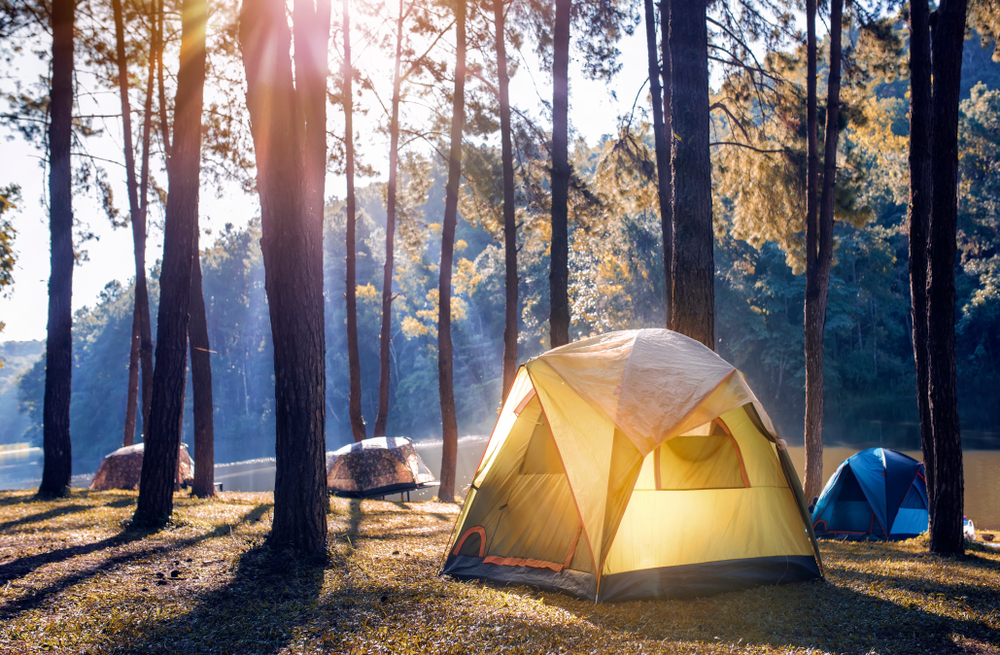
4. Setting Up Too Close To Water
Water sources are wildlife highways. Camping within 100 metres of streams, ponds, or boggy areas puts you directly in the path of nocturnal animal traffic.
“Deer, foxes, and badgers all follow regular routes to water,” explains Halliday. “Set up camp on one of these invisible pathways, and you’ll have a steady stream of visitors all night long.”
Expert Tips For Ideal Tent Placement And Setup
A great night’s sleep starts with choosing the best location for your tent. Choose elevated, well-drained ground at least 100 metres from water sources. Avoid animal trails – look for worn paths through grass or compressed soil that indicate regular wildlife movement.
“The golden rule is to think like an animal,” advises Halliday. “If a spot looks comfortable and sheltered to you, it probably appeals to wildlife too. Sometimes the slightly less convenient location is worth the peaceful night’s sleep.”
Nighttime Safety Checklist For UK Campers
Before settling in for the night, do a quick perimeter check. Make sure all your food is stored correctly, zips are fully closed, and your torch is within easy reach.

UK campers should be particularly mindful of hedgehogs, which are curious but harmless, and foxes, which can be persistent if they detect food. Badgers, though less common, are powerful enough to damage gear if they’re determined to investigate interesting smells.
“Most UK wildlife isn’t dangerous, but they can certainly ruin your camping equipment if you’re not prepared,” notes Halliday.
Andy Halliday, CEO of Lexrope, commented:
“For families and first-time campers, the key is preparation. Children often find wildlife encounters exciting rather than scary, but parents need to strike the right balance between adventure and safety. I always tell families to involve kids in the evening routine – checking zips, securing food, and doing a ‘critter check’ around the tent. It becomes part of the fun rather than a chore.
“First-timers often make the mistake of over-preparing for big predators while ignoring the small stuff that actually causes problems. You’re far more likely to have issues with a determined mouse than a dangerous animal. I would highly recommend starting with car camping or established campsites where you can practice these habits before heading into wilder areas.
“Remember, most wildlife encounters happen because we’ve accidentally created an attractive situation. Animals aren’t plotting against your sleep – they’re just following their noses to what seems like an easy meal or a cosy shelter. Respect their space, secure your gear properly, and you’ll both have a much better night.”