Grow Your Own Garden Screen: Best Privacy Plants to Try

Share

Keeping your garden private isn’t just about blocking out the view of prying neighbours – it is about creating a peaceful, beautiful retreat.
In recent years, more and more of us are turning to nature to build garden borders, choosing green screens over traditional fences.
Dense trees, lush shrubs, and climbing vines can all work together to turn your outdoor space into a secluded haven. In this article by gardening expert Calum Maddock at HomeHow.co.uk, you will discover the best plants to boost privacy, along with tips on selecting and caring for your greenery.
Arborvitae
Arborvitae is an evergreen conifer related to cypress, juniper, and redwood. This common landscape plant comes in a wide range of sizes, from dwarf shrubs to tall trees. The dense, dark green foliage of this plant creates an effective privacy screen and should be spaced out appropriately.
The arborvitae plant thrives in a wide range of soil conditions and can withstand extremely low temperatures. For ideal conditions, plant in moist, well-drained soil in either full sun or partial shade.
Most arborvitae are dark green, but certain varieties produce a lovely golden yellow hue in autumn and winter, and colour-changing varieties are available if you want to add a splash of colour to your garden. Larger varieties of this slow-growing tree develop to be quite tall, so they are great for creating privacy.
Privet (Ligustrum)
The fast-growing privet tree provides exceptional privacy and can easily boost the curb appeal of your property. With the appropriate care, it can reach a height of two or three feet every year, so within a few years, you can easily create a living wall that will keep prying eyes away.
Privet has no special requirements for its location, but there are some care tips to follow for optimum growth. Soil should be water-permeable, because the plant does not tolerate waterlogging, and a slightly alkaline pH value is preferable. In terms of lighting, privet feels comfortable in the sun but also does not mind partial shade.
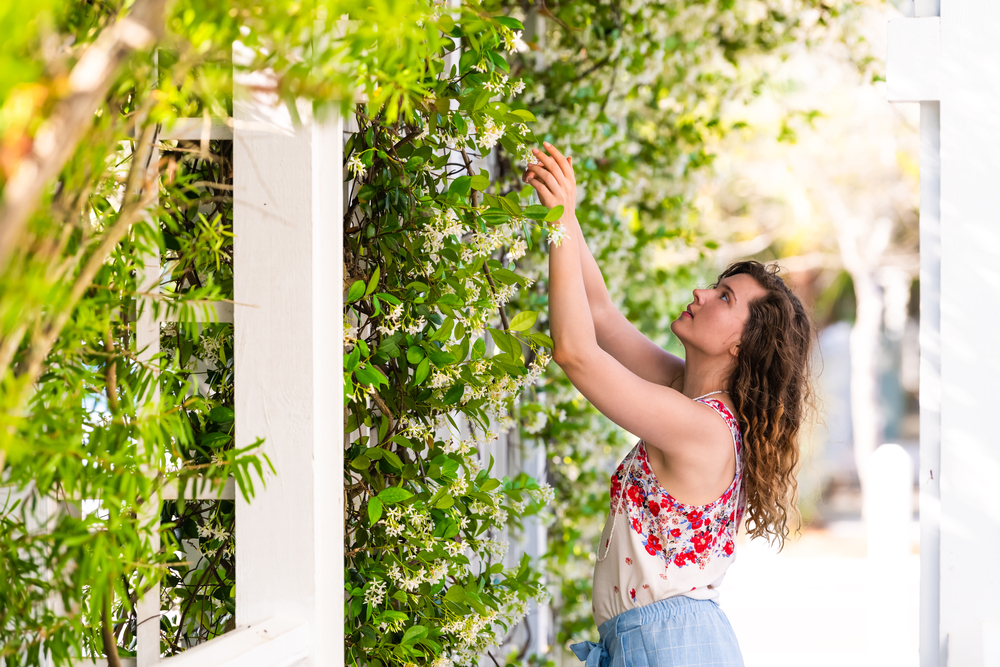
Privet is commonly used to grow as a privacy hedge but requires regular pruning. However, the extra effort really pays off in the spring when you should see your plants producing an abundance of sweet-smelling white blooms.
Bamboo
Bamboo is often considered the ultimate plant for creating an atmosphere of privacy. It is easy to cultivate tall hedges, which spread fast and improve the appearance of your garden. Planting bamboo around your garden borders can help to create an attractive visual barrier, noise buffer, and windbreak.
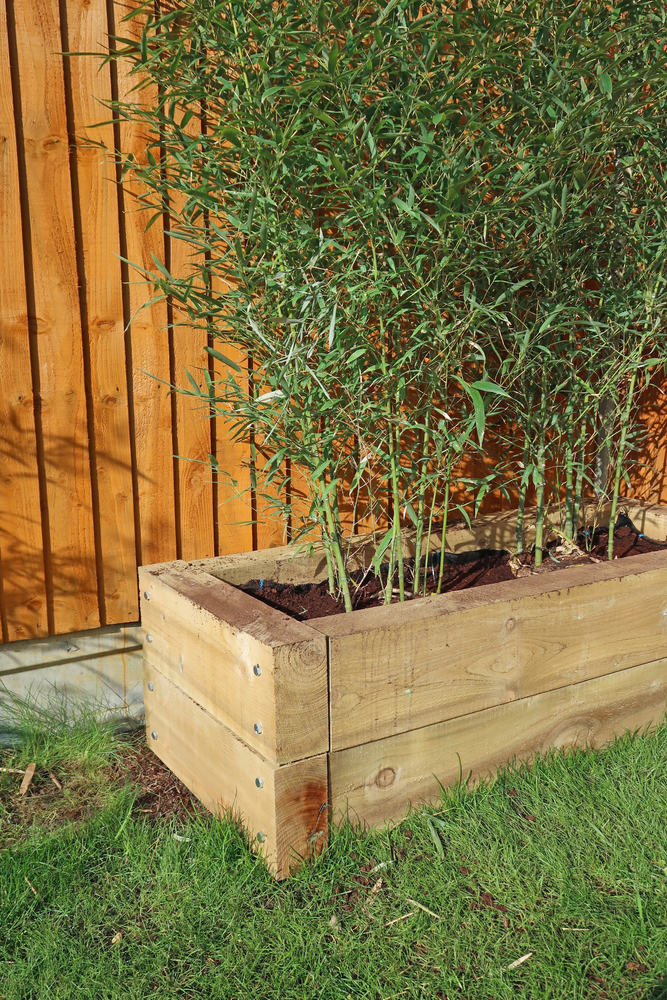
There are various types of bamboo, each with its own growing tendencies. Some plants take a long time to mature, while others will quickly take over your garden, so it is important to choose carefully. To keep it under control, choose a slow-spreading, clumping type, or plant it in large, elevated containers.
Some varieties prefer sun, and others are happier in shade, but most will do well in either. Bamboo will thrive in any soil that is not extremely dry or waterlogged and is hardy in most British gardens. They may need some protection in very cold areas, especially if grown in pots and will benefit from an application of slow-release fertiliser in spring and mulch in autumn.
Clematis
Clematis is a creeping plant that can make an excellent privacy screen. This perennial vine is most recognised for its decorative, eye-catching flowers, which can wonderfully frame any outdoor area. With its bell-shaped flowers and dense foliage, it can be put to excellent use partitioning off small areas of the garden as a statement-making privacy plant.
Clematis blooms also provide a pleasant scent to the air, making the space feel even more calming. Keep in mind that this plant takes a long time to grow, so it is important to be patient while waiting for it to reach its full potential. They are a great addition to existing privacy structures such as fences and trellises.
To grow clematis, plant in well-drained soil with partial sunlight. Water consistently, keeping the soil evenly moist and providing support for climbing varieties. In the UK climate, clematis thrives with regular care, offering colourful blooms and enhancing both the privacy and beauty of your garden.
Boxwood
Boxwood is well-known for its compact, glossy leaves, which are found in a variety of both conventional and formal gardens. Like arborvitae, boxwood may be trimmed into many forms because of its thick branches. It is, however, a low-maintenance plant that will not need trimming regularly, holding its shape for long periods of time.
This hardy plant can tolerate harsh conditions and does not need a lot of care to flourish. Plant in well-drained, sandy loam and give them a hearty drink of water every time the top few inches of soil dry out. They will need 6 hours of direct sunlight each day for optimum foliage density.

There are many ways to use boxwood for garden privacy, but a fence is the simplest. With the right conditions, these shrubs can grow much taller than the average fence, reaching heights of 15 to 20 feet. Therefore, it is an excellent option to sufficiently block out the view of onlookers.
Japanese Holly
Japanese holly is a dense evergreen with green, leathery leaves and black, berry-like fruits. This plant is commonly cultivated as a houseplant but grows best in full shade outdoors. It can offer contrast and wonderful texture to your garden space when used as a privacy screen.
It is important to plant Japanese holly in a site that has good soil drainage and some protection from the elements, especially bitter winds. Once mature, the shrub typically needs watering only during dry spells and feeding once a year, but can benefit from the addition of compost and mulch.
Japanese holly isn’t just aesthetically pleasing; it works wonders when it comes to privacy. With its dense growth, reaching heights of 6 to 10 feet tall, it is perfect for keeping prying eyes out and turning your garden into a secluded haven.
Final Thoughts
Planning is essential for creating a suitable privacy garden, and it is important to look for plants that can survive the weather conditions where you live. Choose evergreen trees or a combination of plants to provide adequate coverage and to make living walls or fences use structures such as trellises.
If you are a fan of hedges, hardy plants such as boxwood are ideal – just be aware of which plants need regular pruning and maintenance. If regular gardening is not an option, artificial hedges can provide the privacy you desire.
Attracting Ladybirds: A Gardener’s Guide to Natural Pest Control