Ocean Therapy Explained: How the Sea Improves Sleep and Reduces Stress

Share
Ocean Therapy: How the Sea Can Help You Sleep Better and Stress Less
Blue ocean therapy, also known as thalassotherapy, is making waves in the wellness world with a 450% surge in Google searches in the past year. This soothing practice, which taps into the restorative powers of the sea through exposure to saltwater, sea air, and marine-based treatments, is all about embracing the sea’s natural elements.
To guide those keen to experience the healing power of the sea, all-inclusive holiday experts at Travel Republic have analysed data to reveal the saltiest seas and therefore the best for ocean therapy.
What is ocean therapy?
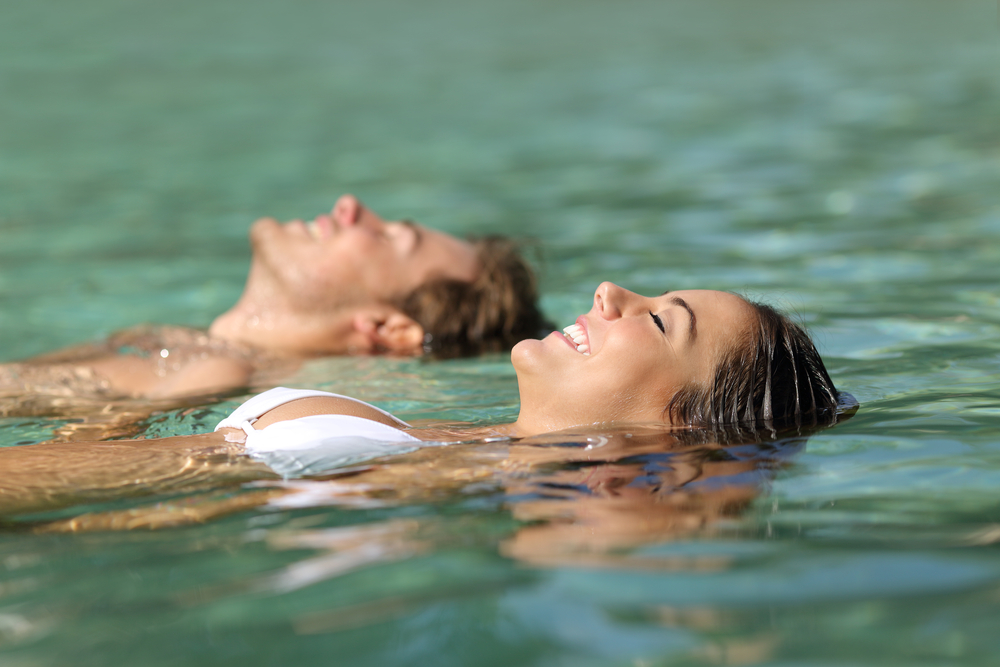
Ocean therapy typically involves activities like swimming or floating in saltwater, walking mindfully along the beach, breathing in sea air, or even spending quiet time by the shore. These calm and gentle activities by the sea have restorative benefits and are increasingly featured as part of wellness retreats. Many people find that time by the sea helps improve sleep, boost circulation, reduce stress and anxiety, support immune health, and lift overall mood.
TikTokkers say it’ll “fix” all your problems
Calm, blue seas are a growing trend on TikTok, with the hashtag #OceanTherapy appearing in over 40,000 posts. Whether it’s floating effortlessly, strolling along the shore, or simply breathing deeply and soaking in the moment, this gentle approach offers a calming escape in today’s busy world.
Videos like @shakina.a1’s sunset by the shore, which has reached nearly 10 million views, or @summer.ralph’s clip of gentle waves under a bright sky, with over 3.5 million views, both show them taking part in simple, mindful moments by the sea. These clips are resonating because they tap into a universal craving for calm, offering a soothing escape from daily stress and a visual reminder of how nature can restore balance and clarity.
TikTok Credits: @summer.ralph and @shakina.a1
Viewers have responded that they’re desperate to try, commenting, “That’s the kind of balance we all need”, “Best combo is: clear water, sunset, not [too] many people, and sea animals”, and “This would fix all of my problems.” But beyond the soothing visuals, what are the true benefits of spending time by the sea?
The best seas to float in for ocean therapy
Salinity is the amount of salt in water, shown as a percentage. For example, 4% salinity means 40 parts per thousand, that’s 40 grams of salt per kilogram of water. The saltier the water, the easier it is to float, because salt increases buoyancy, providing a natural lift. Saltwater is also rich in minerals like magnesium, potassium, and calcium, which can help soothe muscles, support skin health, and promote relaxation.
| Rank | Name of Sea | Salinity* |
| 1= | Red | 4% |
| 1= | Persian Gulf | 4% |
| 3 | Mediterranean | 3.8.% |
| 4= | Caribbean | 3.7% |
| 4= | Arabian | 3.7% |
| 6 | Coral | 3.5% |
| 7 | South China | 3.4% |
The Red Sea and Persian Gulf are the ultimate float-friendly seas
With salinity levels around 4.0%, the Red Sea and Persian Gulf are ideal for effortless floating. For the ultimate sea therapy session, visit Sharm el-Sheikh or Hurghada in Egypt, where the warm, clear waters of the Red Sea invite you to unwind. Or, head to the calm shores of Abu Dhabi and Dubai for a luxurious Persian Gulf float.
The Mediterranean Sea is the third saltiest
At 3.8% salinity, the Mediterranean offers perfectly balanced waters for floating. For a serene experience, skip the rocky coves and head to Es Grau in Menorca, Spain, a shallow, sandy bay ideal for gentle dips. In Turkey, Akyaka Beach offers smooth seas and a laid-back atmosphere. And in Naxos, Greece, Agios Georgios Beach boasts soft sand and calm, clear waters away from the busy tourist trails.
The Caribbean and Arabian Sea tie as the fourth saltiest swim spots
With a salinity of 3.7%, both the Caribbean Sea and Arabian Sea combine buoyancy with beautiful, calming surroundings, ideal for ocean therapy.
In the Caribbean, Grace Bay in Turks and Caicos offers powdery sand and crystal waters, while Doctor’s Cave Beach in Montego Bay, Jamaica, is famous for its calm sea and soothing setting.
Over in the Arabian Sea, Palolem Beach in Goa, India, is a beautiful, crescent-shaped bay with gentle waves and a laid-back vibe, a great spot for mindful floating or meditative shoreline walks.
Ocean therapy travel tips
Experts from Travel Republic recommend these tips for making the most of your ocean therapy trip:
- Check the conditions: Always review tide times and weather forecasts for the safest, calmest experience.
- Respect marine life: Give space to sea creatures and avoid stepping on coral or rocky habitats.
- Come prepared: Bring layers, a sun hat, mineral sunscreen, and a towel or cover-up.
- Be present: Whether floating, walking, or breathing by the sea, let go of distractions and tune into the moment.
- Leave no trace: Take your rubbish with you and if you can, pick up any litter you find along the way.