Six signs you may have bats roosting in your loft

Share
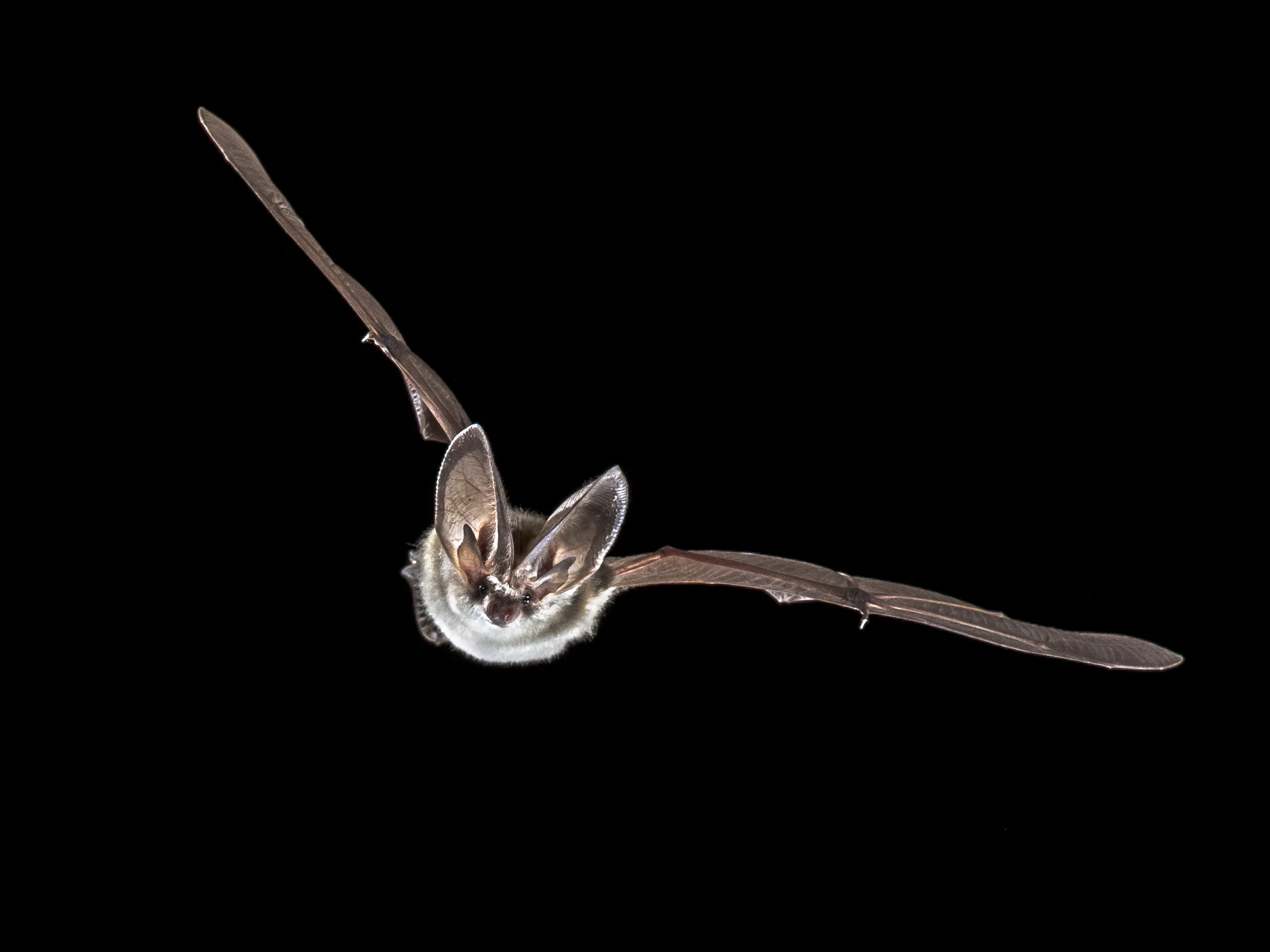
Homeowners are being urged to look out for signs that bats could be roosting in their attic spaces this autumn.
Bat surveyors at Arbtech are warning Brits against trying to remove these protected species from their homes. Bats and their roosts are fully protected under myriad legislation, making it a criminally prosecutable offence to harm or disturb bats.
Autumn is a transitional phase for roosting bats, whereby most species move away from their summer roost locations seeking hibernation roost sites that maintain high humidity and a low temperature throughout the winter.
Some of the most obvious signs of bat activity include social calling, scratch marks, oil and urine stains, and pungent odours.
Homeowners could also check for any bat droppings, which appear similar to mouse droppings. They can usually be found accumulated in loft spaces, near windows, walls, chimneys, gable ends and roof ridges.
Older properties are especially valuable to bats seeking shelter. This is because bats have high fidelity to successful, long lasting roost sites and older properties are likely to retain more suitable roost sites such as lifted tiles, open eaves, gaps in stonework, under fascia, and within soffit boxes.
If homeowners suspect bat activity on their property and they think they may impact an active bat roost, it’s crucial they contact an ecologist for advice on how they should lawfully proceed. One way to do this is by contacting a volunteer bat organisation so that a licenced ecologist can enter the roost and check.
Andrew Ward from Arbtech said: “As the colder months approach, bats are actively searching for hibernation roost sites and many homes provide the perfect conditions.
“Although Halloween celebrations are on the way and you may think that bats in your home are on theme, they can also make plenty of mess by leaving their droppings, oily streaks and scratches on the wall.
“Because bats don’t generally make much noise, many homeowners may be unaware of them roosting in their lofts or cellars.
“However, there are clear signs to look out for – if you notice small animal droppings, unusual odours or oily smudges near gaps in your walls, these could indicate bat activity.

“If you suspect there are bats on your property, it’s crucial to be mindful of your next steps and never take matters into your own hands – bats are legally protected in the UK and any issues regarding bats should be handled by professionals.
“While some homeowners don’t mind bats roosting in their homes, it can become an issue when you want to carry out works to your property, as renovations can damage bats’ habitats.
“In this case, you may need to get a bat survey carried out in your house to secure planning consent.
“Bat surveyors can then provide you further information on the measures you can take to legally deal with your bat issues.”
Here are six signs you may have bats in your house:
- Strange sounds
Although bats don’t generally make much noise, you can still occasionally hear their social vocalisations, especially early in the morning or late at night since they’re nocturnal creatures. They often make high-pitched squeaks, alongside rustling noises.
- Droppings
Bat droppings, commonly referred to as guano, are one of the most noticeable signs of bat activity. Guano is small, dark and crumbly, often resembling mouse droppings. It can accumulate in piles near windows, walls, chimneys or other potential entry points.
- Oily stains
When bats squeeze through small holes to enter the property, they can leave dark, oily stains around the entry points. Over time, the stains can become more noticeable as bats use the same entry points regularly.
- Pungent odours
If you smell unusual, pungent odours in your home, it may be a sign of bats. A mix of bat droppings and urine can develop into a strong aroma similar to ammonia.
- Scratches on walls
Bats can leave scratch marks on various surfaces as they navigate through small cracks and crevices. You can also notice scratches on beams or rafters where they cling to as they rest.
- Bats flying around the house
If you see a bat flying around your property during sunrise or dusk, it can be an indicator that bats have also found their way into your home.