Footwear expert reveals how often trainers should be cleaned

Share
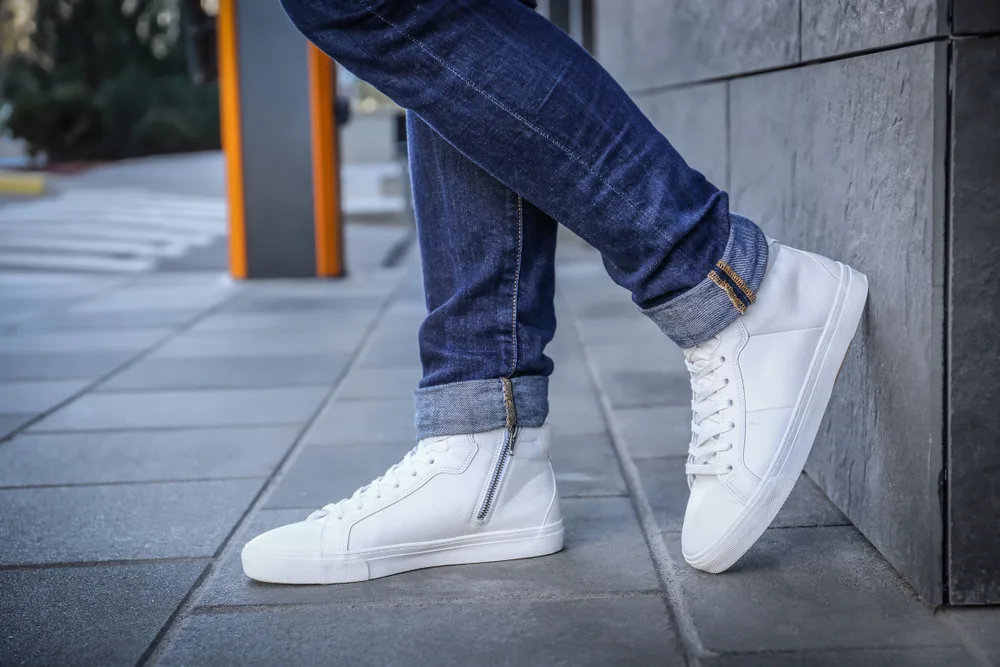
Trainers are a staple in many Brits wardrobes, with a recent study revealing two-thirds (66%) of Brits own three or more pairs. However, wearing them in the UK’s unpredictable weather can make them vulnerable to stains and damage, causing cleaning them to become a necessity. Over one in ten (14%) Brits admit to only cleaning their trainers once a year, with 13% never cleaning theirs.
Due to the popularity of cleaning hack videos on TikTok, such as #CleanTrainers boasting 349.4 million views, methods such as using toothpaste, bleach, or pencil erasers, have caused a rise in the use of incorrect and damaging products. This has resulted in over two-fifths (44%) of Brits ruining their trainers. One in three (30%) admit the washing machine was a direct cause of this.
The study, conducted by digital department store Freemans has enlisted Stephen Murdoch, footwear technologist from the product team to share cleaning tips and shed light on which methods to avoid.
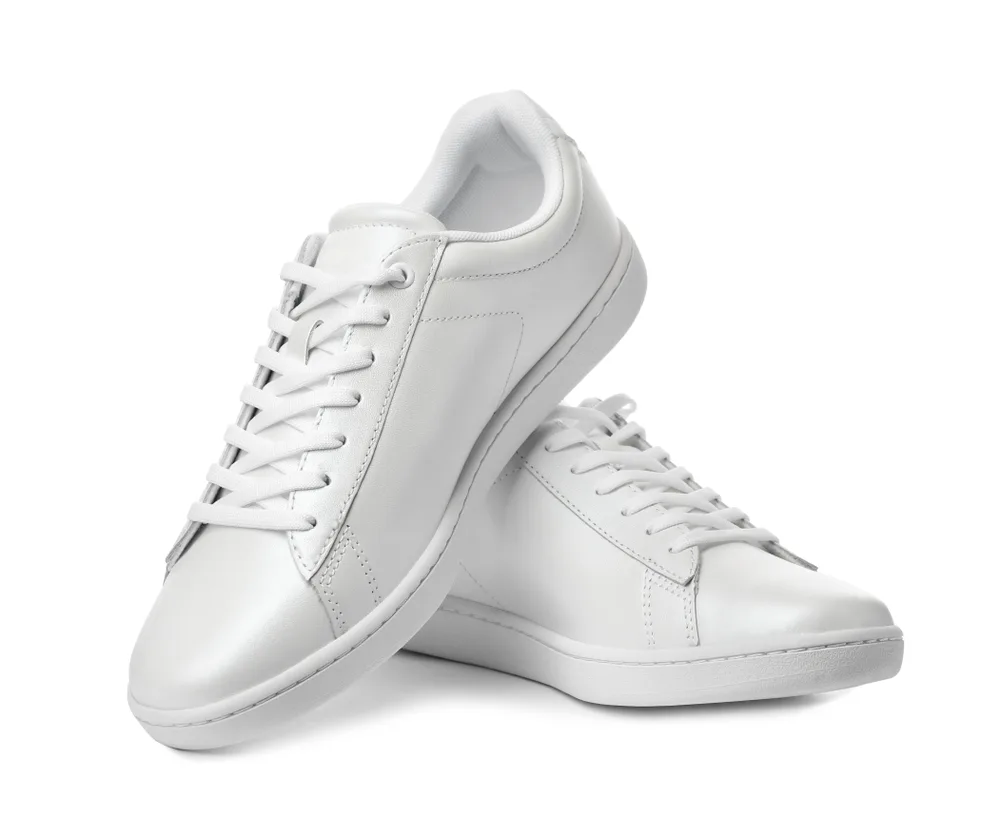
With over four in ten (44%) of Brits replacing their trainers for a new pair due to irreversible stains, having a cleaning routine that works is necessary to avoid the mounting costs.
Clean trainers every two weeks depending on use
“You can clean them at the first sight of any dirt or every two weeks should be sufficient depending on use.”
Putting trainers in the washing machine will damage them
“I would always advise people to only use a washing machine as a last resort if handwashing has not removed stubborn stains or ground in dirt. I would also only machine wash textile or mesh upper trainers, definitely not leather and on the lowest possible temperature.
“You can use a specialist shoe laundry pods and a laundry bag, or placing each trainer in a white pillowcase and tying in a knot also works well.”
Suede trainers: Use a soft suede brush to protect the delicate nap of suede trainers
- Use a suede brush or spare towel to wipe away any debris
- Apply a suede cleaner onto a clean cloth and rub one full panel at a time
- Wipe away excess foam and when dry, spray with a suede protector
“Suede is a notoriously difficult material to clean, whether it’s boots or trainers. First use a suede brush or towel to wipe away surface debris, working in the same direction as the material, rather than going against the grain.
“Apply a suede cleaner onto a clean cloth and rub over one full panel at a time, making sure the surface is evenly covered. Wipe away any excess foam as you clean, once dry raise the nap a second time by brushing with a suede brush as before. When the final step has been performed, simply spray suede protector all over the suede and leave to dry for full protection.”
Leather trainers: An old toothbrush can work just as well as a shoe brush on leather trainers
- Using a soft-bristled brush or toothbrush remove loose dirt
- Rub into the upper a mixture of warm water and cleaning solution, wipe off the soap, repeating as necessary
- Leave to air dry naturally
“Leather trainers can stain easily, so it’s important to clean them regularly. Remove loose dirt from the outsole, midsole, and uppers using a dry, soft-bristled shoe brush or a clean, spare toothbrush. Mix warm water with a small amount of sneaker cleaning solution, mild laundry detergent, or washing-up liquid. Use a soft shoe brush to rub the solution into the upper, wipe off the soap with a clean cloth, and repeat as necessary. Then let them air dry naturally.”
Textile trainers: Using bleach or harsh cleaning chemicals can damage textile & mesh trainers
- Using a shoe brush, rub a soapy water solution against the textile
- Wipe off the solution with a clean cloth, repeating as necessary
- Leave to air dry, then apply with a water or stain-repellent spray
“Create a mild, soapy-water solution with soap that doesn’t contain chemicals. It’s best not to use bleach or other harsh cleaning products, since they can damage the materials. Use a shoe brush to rub the solution in the same direction as the textile. Wipe off the soap with a clean cloth and repeat as necessary. Let them air dry naturally, then apply a water or stain-repellent spray.”