How to prevent burst and frozen pipes this winter

Share

As the weather gets colder, the risk of burst and frozen pipes increases. Whether they’re inside your property or outdoors, burst pipes can cause severe issues, leaving behind water damage, mould and mildew, and even structural damage in more serious cases.
To help homeowners avoid this costly inconvenience, Toolstation has compiled a guide to help prevent burst pipes this winter.
Signs of a frozen pipe
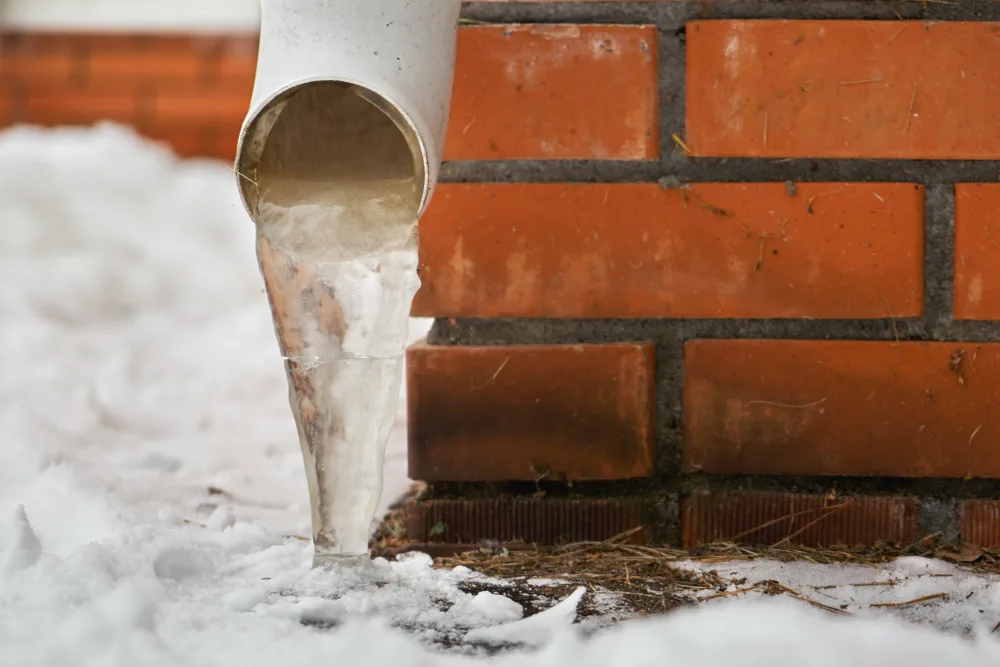
In winter, pipes tend to freeze before they burst. This is particularly common for outdoor pipes but can happen to those inside of your home too. If you act quickly, you can thaw a frozen pipe and prevent it from bursting. Don’t wait until it’s too late; look out for these five signs of a frozen pipe:
- Your boiler isn’t working properly
- No water coming from your taps
- Toilet bowl failing to refill
- Unusual gurgling noises
- Frost or condensation on the outside of the pipe
How to thaw a frozen pipe
Rhiannon Moore at Toolstation said “If your pipe is frozen, you’ll need to slowly defrost it over around 30-60 minutes. There are a few methods for defrosting a frozen pipe, such as using a hairdryer, heat tape, hot water bottles, or placing a space heater nearby. Turn the cold tap on before beginning the thawing process.
Never attempt to use a naked flame to thaw the pipe, as this can cause permanent damage to the pipe and potentially start a fire. You’ll know the pipe is defrosted once your water starts to flow freely through the tap.”
Signs of a burst pipe
If you’re unsure whether a pipe has burst on your property, look out for these eight symptoms:
- Discoloured and/or smelly water – Look out for a smell like rotten eggs, as this is an indicator of a burst pipe. Your water may also have a brown tint.
- Sound of rushing water – If you can hear water rushing, this could be a sign of a burst pipe.
- Higher water bill – An unexplained increase in your water bill could indicate a burst water pipe in your property.
- Puddles under your sink – Puddles of water under your sink can indicate a burst pipe nearby.
- Unusual puddling in your garden – If you have puddles persistently showing up in certain areas of your garden, especially when it hasn’t rained, this may indicate a water leak.
- Soft ground – Areas where the ground is unusually soft or mushy could indicate a burst water pipe below. You may also notice that some paving or brickwork is damp due to more water beneath the surface.
- Fluctuating water pressure – Burst pipes often cause extreme fluctuations in your water pressure.
- Your pipes are making noises – Listen out for grinding and clanging sounds in your walls caused by the pipes rubbing together.
What to do if a pipe bursts
If you have identified a burst pipe on your property, follow these steps:
- Shut off your water supply – Turn off your main water shut-off valve to stop the flow of water. This will prevent further flooding and water damage.
- Identify the source of the leak – Try to find the location of the burst pipe. You can do so by looking for the signs of a water leak listed above.
- Call a plumbing professional – Call a plumber straight away to assess the situation. You may need to call an emergency plumber if the leak occurs overnight.
- Protect the area – Clear the area around the burst pipe. Try to move furniture away from the source of the leak and keep the surrounding area as dry as possible.
- Drain excess water – If the area around the pipe is flooded, drain excess water with a bucket.
- Document the damage – You may need documentation of the damage for insurance claims. Take pictures of the flood and anything that it has damaged.
- Keep people away from the area – Avoid people crowding around the flooded area, as this may only make it worse