Iron Deficiency Could Be Why You’re Exhausted This Christmas, Experts Warn

Share

You Are What You Eat: Why Iron Deficiency Could Be Behind Your Winter Fatigue
Many people look forward to Christmas all year and then feel completely drained in early December, long before the main day arrives. While the busy social calendar, the need to wrap up loose ends at work before the break, and (if you’re a dad or grandparent) the need to create ‘Christmas magic’ out of thin air, are enough to exhaust any man, there could be something more at play.
According to a new analysis by Free Soul, Britain is experiencing a dramatic surge in iron deficiency issues, with hospital admissions for iron deficiency-related ailments skyrocketing by over 1,000% in the past quarter-century. And the most common symptom of iron deficiency? You guessed it: fatigue.
The figures paint a concerning picture of modern nutritional health. Between 1998/99 and 2024/25, admissions for iron deficiency-related conditions jumped from just over 20,000 to nearly 218,000 annually, a 967% increase.
Your festive food’s role
So what’s driving this sharp increase? Health professionals point to multiple culprits, with the proliferation of ultra-processed foods playing a role.
The problem becomes especially acute during the Christmas period, when even the most health-conscious amongst us find ourselves reaching for shop-bought mince pies, party platters, frozen canapés, and endless bowls of crisps and salted nuts. These festive staples do very little good for our bodies, and in most cases they’re iron poor.
Natalie Rouse, Registered Nutritionist and Head of Nutrition at Free Soul, explains:
“Iron is essential for producing haemoglobin, which carries oxygen around the body. Without sufficient iron, people can develop anaemia, leading to extreme tiredness and weakness that can really undermine their quality of life.
“In the most severe cases hospitalisation might be necessary, which means that this NHS hospital admissions data is really just the tip of the iceberg.
“There will be far more adults in the UK suffering from a level of iron deficiency that doesn’t warrant a visit to hospital but could still be impacting their quality of life and causing fatigue.”
The good news is that iron deficiency can often be prevented or addressed through dietary adjustments. Rouse offers practical guidance for maintaining healthy iron levels:
“Preventing iron deficiency before it occurs is always the best approach, which means including enough iron-rich foods in the diet.
“For vegetarians and vegans, iron absorption can be enhanced by combining non-haem sources with vitamin C-rich foods and being mindful of consuming inhibitors like tea and coffee around meal times.
“I always recommend that individuals who are concerned about their iron levels should:
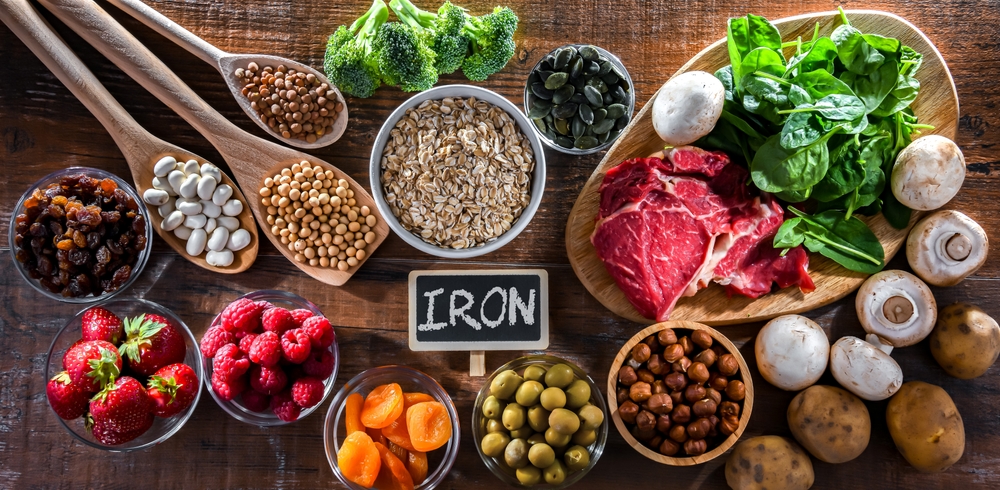
- Incorporate iron-rich foods into their diet, like beans, nuts, dried fruit, fortified cereals, and red meat (provided the individual isn’t vegan or vegetarian)
- Consider iron supplementation, particularly for women with heavy periods or for people who are following a vegan or vegetarian diet
- Pair iron-rich foods with good sources of vitamin C in order to enhance iron absorption
- Consult their GP if they’re experiencing symptoms of iron deficiency.”
Free Soul’s nutritional supplement range includes products fortified with iron, such as its Vegan Protein Blend.