Where History Sleeps: Luxury Heritage Hotels & Adaptive Reuse Stays Around the World

Share

Heritage tourism is on the rise, and luxury hospitality is evolving in step. Today’s discerning travellers seek more than comfort—they crave experiences steeped in meaning and cultural resonance.
The new philosophy goes beyond preserving history; it invites guests to inhabit it. Through architectural legacy, regenerative design, and cultural storytelling, these properties turn a stay into a deeply immersive journey.
At the heart of this movement is adaptive reuse: the art of restoring and reimagining existing spaces—whether centuries-old or historically significant—to blend sustainability, heritage, and luxury. Green Key Global highlights that adaptive reuse aligns with regenerative travel, reducing waste, restoring ecosystems, and honoring local traditions. From Europe to Asia, these hotels offer experiences where architecture, memory, and sustainability converge.

The Dylan Amsterdam – Amsterdam, Netherlands
A historic canal-side boutique hotel built on the site of Amsterdam’s first stone theater, the “Schouwburg,” established in 1638. Hosting luminaries such as Vivaldi and Rembrandt, the building became a Catholic charity office after a fire in 1772, before being reborn as a luxury hotel in 1999.
Why Stay:
- Celebrates Amsterdam’s 750th anniversary in 2025
- Recently restored interiors highlight historic details
- Green Globe Gold certification reflects sustainable design and heritage preservation
Signature Feature: Restaurant Vinkeles, a two-Michelin-starred fine dining experience housed in an 18th-century bakery with original ovens and exposed brick.
Room to Book: The Jacob van Campen Suite, redesigned in 2025, offers duplex canal views, a freestanding soaking tub, and curated art that evokes the intimacy of a backstage dressing room.
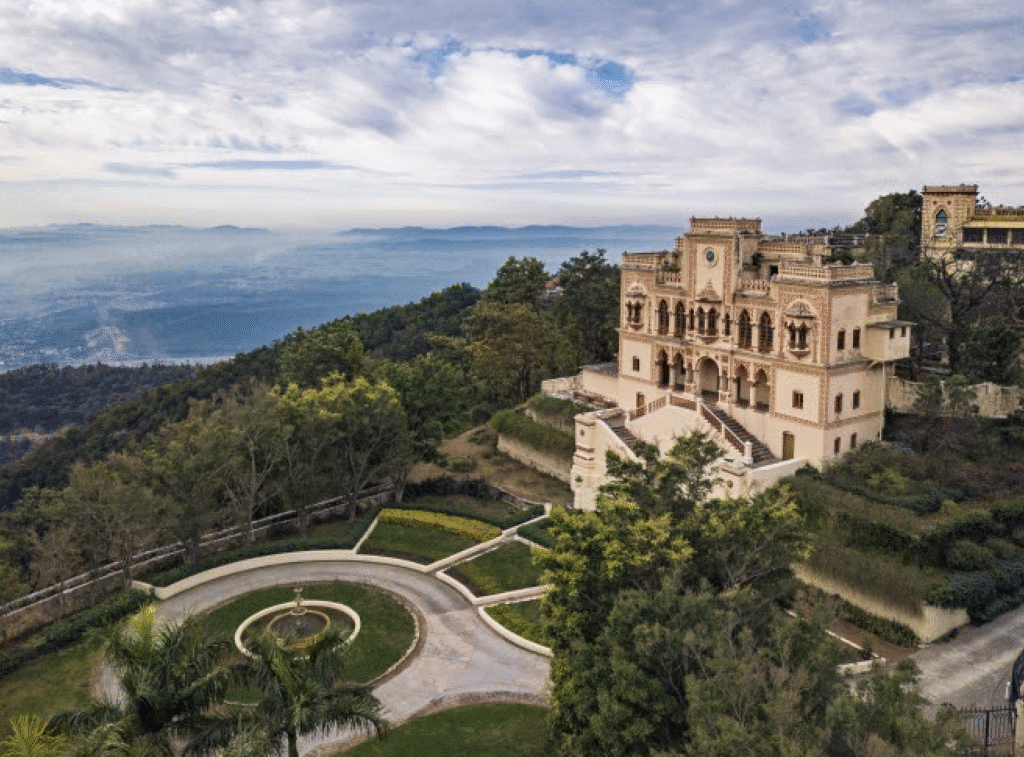
Ananda in the Himalayas – Uttarakhand, India
Set on a 100-acre former palace estate of the Maharaja of Tehri-Garhwal, this retreat blends regal architecture with ancient wellness traditions. Once hosting dignitaries and spiritual leaders including Ma Anandamayi, it is now India’s first destination spa.
Why Stay:
- Marks 25 years of wellness innovation
- Recent renovations introduce new room categories and holistic wellness programs
- Rising global interest in spiritual retreats
Signature Feature: 25,000 sq ft spa offering over 80 Ayurvedic and international therapies, open-air yoga pavilions, and daily Vedanta philosophy sessions.
Room to Book: The Viceregal Suite features an antique four-poster bed, private rooftop terrace, and sweeping valley views—a sanctuary of solitude and luxury.
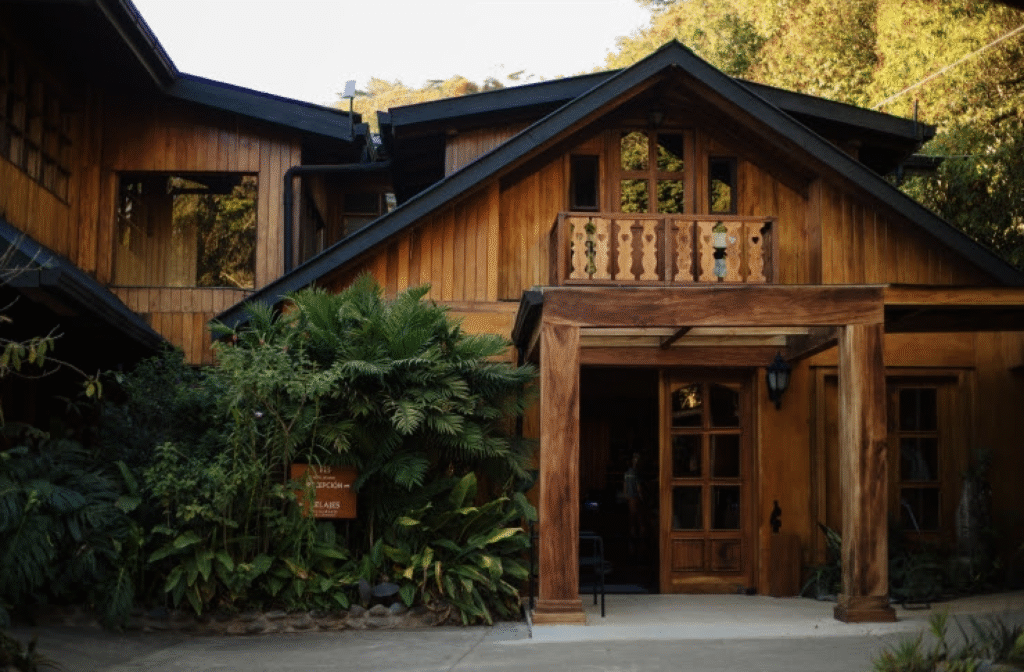
Hotel Belmar – Monteverde, Costa Rica
Nestled in the cloud forest above the Nicoya Peninsula, Hotel Belmar combines eco-conscious architecture with a regenerative approach to hospitality. Inspired by alpine guesthouses, its design embraces native Costa Rican hardwoods, organic textiles, and sustainable upgrades.
Why Stay:
- Celebrates 40 years of nature-integrated hospitality
- Artist residency and circular agriculture programs enrich guest experiences
- Recognized as a regenerative travel hub
Signature Feature: Carbon-neutral Finca Madre Tierra farm and Savia Forest Immersion canopy experiences.
Room to Book: Nicoya Suite offers a 270° forest view, private bar, spa-inspired bathroom, and terrace with a hanging daybed suspended between forest and sky.

Imperial Hotel Kyoto – Japan (Opening Spring 2026)
Reimagining the Yasaka Kaikan theater (1936), this hotel blends Kyoto’s architectural heritage with contemporary luxury. Featuring copper-tiled roofs and terracotta reliefs by artisans linked to Frank Lloyd Wright, it will offer 55 rooms, a spa, pool, restaurant, and bar.
Why Stay:
- Honoring 135 years of cultural and architectural heritage
- First new brand opening in three decades
- Rare example of architectural reverence in Japan’s luxury hotel landscape
Signature Feature: Preservation Wing guestrooms retain original beams and windows overlooking Gion Kobu Kaburenjo theater, where traditional shamisen music drifts through the air.
Room to Book: Imperial Suite with twin terraces and a symbolic gazebo—a unique convergence of heritage, serenity, and aesthetic depth.
Why Adaptive Reuse Matters:
Unlike new builds, adaptive reuse minimizes environmental impact while honoring history. From Amsterdam to Kyoto, these hotels embody a global shift toward authentic, sustainable, and culturally immersive hospitality. Milestone anniversaries, landmark renovations, and experiential programming make each stay a journey through history, where past and present meet in luxury.