Creating a Calm Bedtime Routine for the Whole Family

Share

Creating a calm, predictable and enjoyable bedtime routine will help you and your children to feel at your best. Many families underestimate the importance of sleep, which plays a critical role in our emotional, physical and mental wellbeing.
Along with helping our bodies and brains recover from the day before, sleep affects how we feel the next day too. And for children in particular, sleep hygiene makes all the difference to settling down faster. If you’d like bedtimes to become more relaxing for the whole family, here’s how to get started.
Why does a consistent routine matter?
For adults and children alike, a predictable evening rhythm can help to set the tone for a good night’s sleep. While things might be slightly different when you’re tackling infant sleeping patterns for the first time, it’s usually possible to start a consistent routine once they’re toddlers.
With familiar bedtime patterns and settings, young children feel relaxed and sleepy more quickly. From bathing and getting dressed into pyjamas to reading a book in bed, nightly rituals also help children to feel more secure.
The perfect bedtime routine looks a little bit different for every family. Here are just a few ideas to get you on a better track:
Switch off your screens
Avoiding all electronics up to an hour before bedtime could give your sleep quality a big boost. From games consoles to tablets and TV screens, we recommend turning off your tech and creating a soft, low-light ambience before bedtime.

Electronic devices can have a detrimental effect on our sleep quality. This is due to the blue light they emit, which has been proven to reduce the brain’s production of melatonin in the evenings. This hormone is responsible for feelings of sleepiness – so, effectively, screens can keep us awake for longer.
Create a sleep-friendly environment
Paying attention to the smaller details will help you to create a better sleeping environment for your child. These include:
- Keeping it tidy: The bedroom needs to be calm and relaxing at bedtime, not cluttered and overstimulating. Try to clear surfaces and keep the floors clear too.
- Getting the temperature right: The room should be neither too hot nor too cold. The most comfortable sleeping temperature is usually somewhere between 16 and 20 degrees Celsius.
- Make it comfortable: Along with high-quality bedding, purpose-built beds for kids help children to feel secure and happy in bed.
Calming activities
Before bedtime, taking part in the same relaxing activities will help you to create ‘wind-down’ signals to support your bedtime routine.
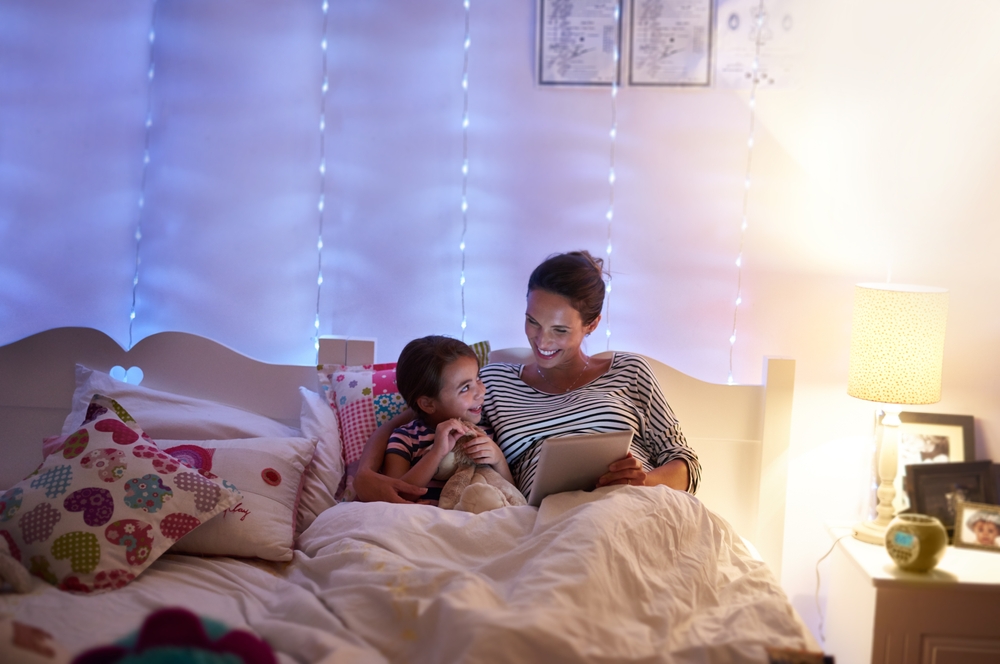
For younger toddlers, bathtime could include light play and music to help set the tone for bedtime. Young children might enjoy gentle activities like puzzles, colouring books or bedtime stories to help find that sleepy state. But remember that every child is different, and yours might even prefer stretches or breathing exercises!
Be consistent
Finally, any bedtime routine should be as consistent as possible.
Shifting sleep routines or going to bed at a different time every night might disrupt your circadian rhythm, influencing the time at which you naturally start to feel sleepy.
Keeping things predictable not only promotes security and confidence in your children but will help to ensure that you’re getting the right amount of sleep as a parent too! And when the kids are in bed nice and early, you’ll get to unwind for the last part of the day.