When is a Business Responsible for Workplace Accidents?

Share

Workplace accidents can happen in every sector, whether it is a construction site or a typical office-based business.
Employers have a legal duty to provide a safe work environment for staff, so it is important to have an understanding of when a business is responsible for these accidents.
Read on to find out more.
Understanding Employer Liability in the UK
As mentioned in the introduction, employers have a legal duty to provide a safe work environment for staff. This means that they need to identify the risks in the workplace and take reasonable steps to mitigate these risks and ensure safety as part of their duty of care. If a business neglects this duty of care, it may be held legally responsible for the injury.
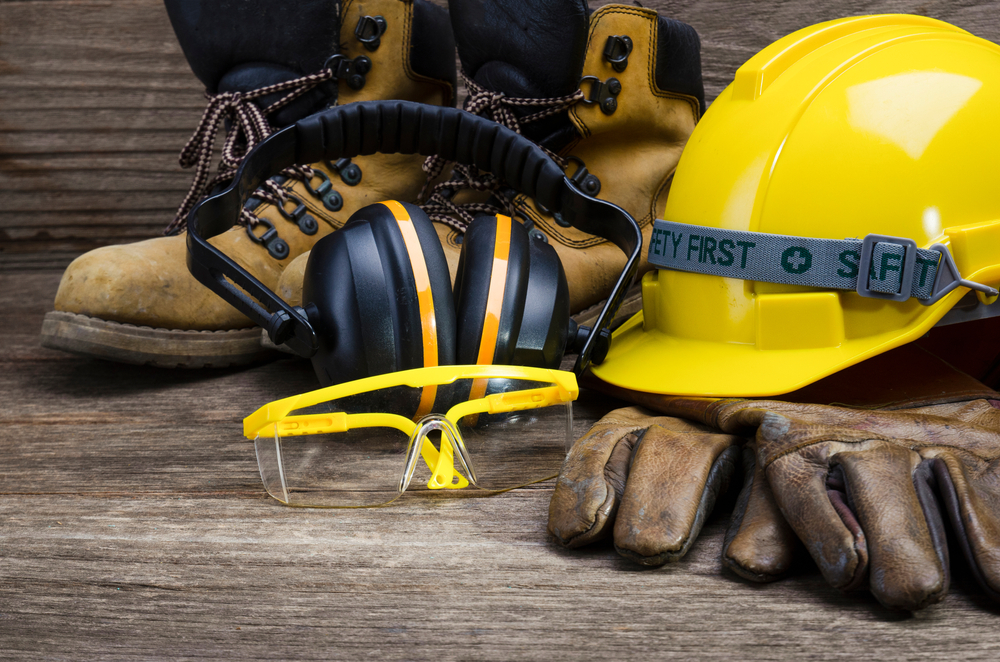
UK employers are also legally required to have employers’ liability insurance, which will cover the compensation costs if an employee is injured and makes a claim. This is different from occupiers’ liability, which provides cover for injuries suffered by visitors to the site.
Key Legal Duties & Common Causes of Employer Liability
So, what are the main legal duties employers have? It will depend on the sector and work environment, but typically includes providing safe equipment, adequate training, and maintaining a hazard-free work environment. A few of the most common incidents that result in employer liability include slips, trips, and falls, machinery accidents, repetitive strain injuries, and falls from height.
The Enterprise and Regulatory Reform Act 2013 has had an impact in the last decade, as this requires the injured party to prove that their employer was negligent, as opposed to automatic implication of negligence if health and safety regulations have been breached.
Recent Trends & Statistics in UK Workplace Accidents
Statistics show that fatal and non-fatal workplace injuries have been on the rise in recent times. In 2023/24, there were 138 fatalities and 604,000 self-reported injuries, up from 135 and 561,000. There are also some industries that are more hazardous than others, with accommodation and food services, construction, transportation/storage, and wholesale/retail trade having the highest number of self-reported non-fatal injuries.
What to Do After a Workplace Accident & Assessing Liability
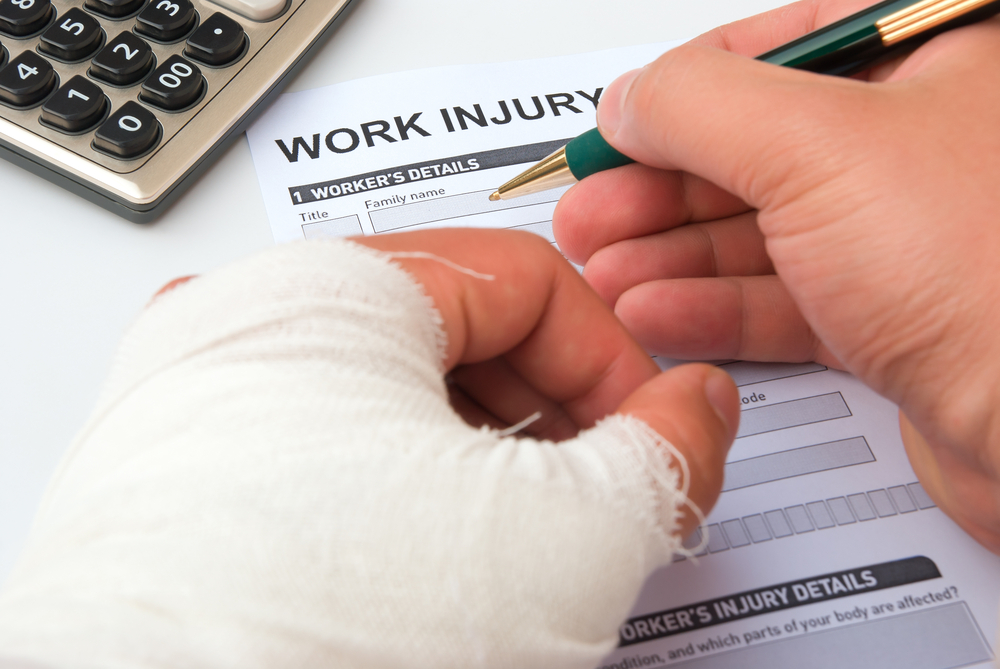
If an accident occurs in the workplace, the first step should always be to get medical assistance and ensure the health and safety of the employee(s). It is then important to report the incident in line with RIDDOR regulations, investigate the cause of the incident to determine liability, and review safety procedures to prevent recurrence. If an employee believes employer negligence contributed to their accident, they may look into making a claim for compensation.
Every employer must have a strong understanding of employer liability and take steps to ensure a safe work environment for employees. A workplace accident can be costly in many different ways, so you want to protect both your employees and the company from harm and legal repercussions.
Summer Shed Mistakes: What You Should Never Store in the Heat