
Building Confidence and Coordination: Why Climbing Frames Matter

Share
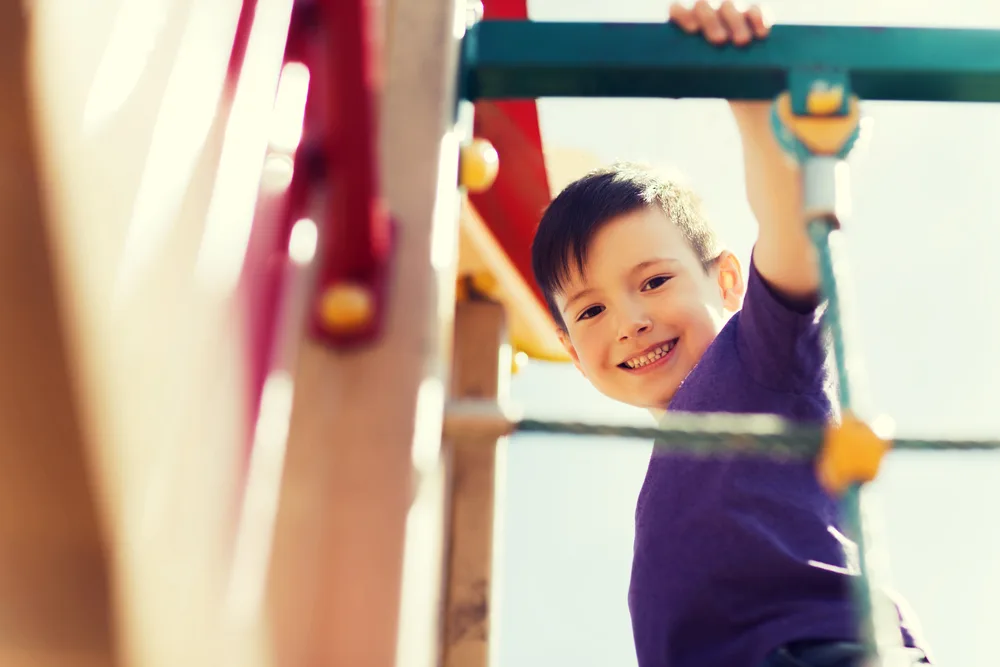
In the world of children’s play, few things rival the allure and developmental benefits of a well-designed climbing frame. These structures, ranging from petite frames for babies to towering ones suited for teenagers, offer more than just physical activity—they are essential tools in nurturing coordination, strength, and confidence in children.
The Importance of Climbing Frames in Child Development
Climbing frames provide a unique environment where children can engage in physical challenges that promote both gross and fine motor skills. From scaling ladders to navigating monkey bars, each activity requires balance, strength, and coordination. These skills are not only crucial for physical development but also contribute significantly to cognitive and emotional growth.
Choosing the Right Size and Type of Climbing Frame
When selecting a climbing frame for your child, it’s essential to consider their age, abilities, and the space available. For babies and toddlers, smaller frames made from sturdy materials like wood or plastic are ideal. These frames often include features such as low platforms, gentle slopes, and soft grips to ensure safety while encouraging exploration.

As children grow older, their climbing abilities and preferences evolve. Metal climbing frames become more suitable due to their durability and the challenge they offer. These frames typically feature taller structures, multiple climbing routes, and more complex elements like rock walls or rope ladders. Such designs not only keep children engaged but also provide opportunities to develop problem-solving skills as they plan their ascents.
Benefits of Climbing Frames Across Different Age Groups
Baby Climbing Frames: For infants and toddlers, climbing frames introduce them to basic motor skills and spatial awareness. Features like gentle slopes and crawl spaces promote crawling and early climbing skills, laying a foundation for more advanced activities later on.
Childhood Climbing Frames: As children progress into their preschool and early school years, climbing frames with varied challenges become invaluable. Platforms of different heights, monkey bars, and swings encourage them to test their limits and build physical strength. These frames also foster social skills as children learn to take turns and collaborate with others during play.
Teenager Climbing Frames: Adolescents benefit from climbing frames that provide more significant challenges and opportunities for physical exertion. Structures with taller heights, challenging climbing routes, and interactive elements like zip lines or obstacle courses cater to their growing strength and agility. Additionally, such frames offer teenagers a place to socialize, compete, and build confidence through overcoming physical challenges.

Safety Considerations When Choosing Climbing Frames
While the benefits of climbing frames are abundant, ensuring safety is paramount. When selecting a frame, check for sturdy construction, smooth edges, and non-slip surfaces. For metal climbing frames, ensure that they are rust-resistant and regularly inspected for any signs of wear or damage. Always supervise younger children during play and teach them basic safety rules, such as using equipment properly and avoiding rough play.
Conclusion
Climbing frames are not just playground structures; they are essential tools in promoting children’s physical, cognitive, and emotional development. From baby climbing frames that introduce basic motor skills to teenager climbing frames that challenge strength and agility, these structures offer a range of benefits across different age groups. By selecting the right size and type of climbing frame based on your child’s abilities and age, you can provide them with a safe and stimulating environment to explore, grow, and build confidence. Embrace the joy of outdoor play and watch as your child climbs to new heights of development with their very own climbing frame.

