
Wild camping: Where You Can and Can’t Legally Wild Camp

Share

In 2020, when traditional summer camping experienced a boom, the standard grass pitch dominated the camping scene, constituting an impressive 62.82% of all UK campsite bookings.
This surge in traditional camping reflects a growing desire among adventurers to reconnect with nature and escape the confines of urban life. As people seek solace and freedom in the great outdoors, wild camping has emerged as a favoured pursuit, offering an immersive experience unlike any other.
Andy Halliday, owner of the Expert Camper, discusses the legality of wild camping in the UK and provides camping recommendations and tips.
Understanding the Rules: Navigating Wild Camping Regulations
In the United Kingdom, the rules surrounding wild camping vary regionally. In England, Wales, and Northern Ireland, wild camping is generally prohibited without landowner permission. However, Scotland stands apart as a haven for wild campers, where the right to roam allows for camping on most unenclosed land, excluding private gardens and certain protected areas.
Unveiling Hidden Gems: Top Wild Camping Destinations
For those eager to embrace the rugged beauty of the UK’s landscapes, several destinations stand out as prime locations for wild camping.
Dartmoor National Park, Devon
Dartmoor National Park in Devon offers vast expanses of moorland, punctuated by granite towers and winding rivers, providing a picturesque setting for a night under the stars. With its diverse terrain, from dense woodlands to open heathlands, Dartmoor is a paradise for wild campers seeking both solitude and scenic beauty.
The park’s permissive approach to wild camping in designated areas adds to its appeal, though campers must adhere to specific guidelines to protect the environment.
Exmoor National Park
Exmoor National Park, straddling the counties of Somerset and Devon, is another hidden gem. Known for its dramatic coastline, deep wooded valleys, and expansive moorland, Exmoor offers a rich tapestry of landscapes. Wild campers here can experience the tranquillity of secluded valleys and the thrill of spotting wildlife such as red deer and Exmoor ponies.
Andy notes, “All you need to do to wild camp in Exmoor is ask the landowner’s permission first, making it a straightforward and rewarding destination.”
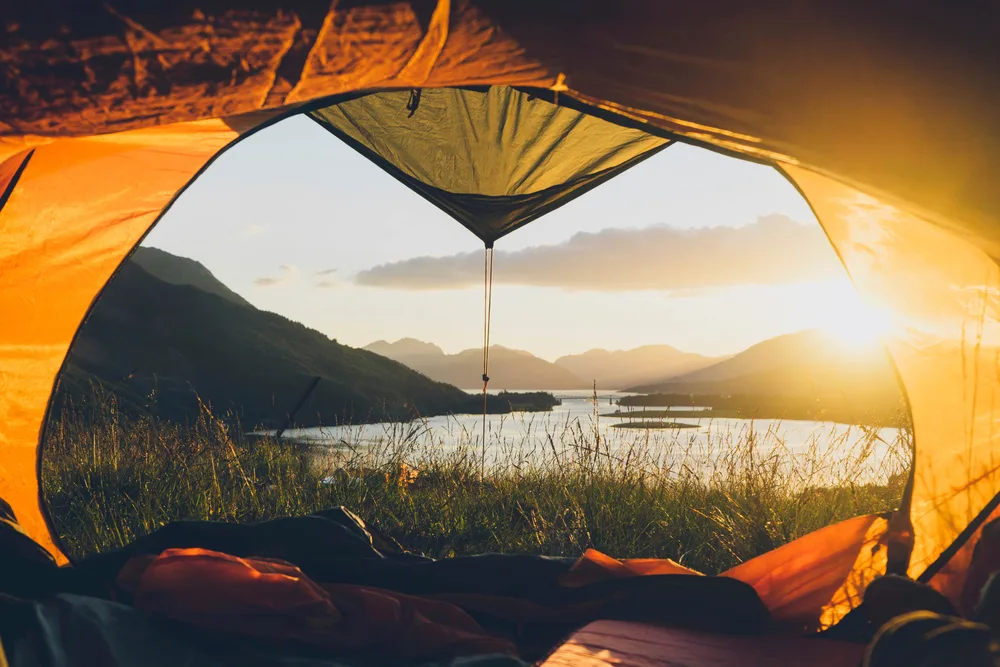
Snowdonia National Park, Wales
Snowdonia National Park in Wales is renowned for its rugged mountain scenery, including the highest peak in England and Wales, Mount Snowdon. The park’s dramatic landscapes, from rocky summits to serene lakes, provide an ideal backdrop for wild camping. Hidden valleys and less-trodden paths offer opportunities for solitude and adventure.
Andy recommends Snowdonia for its “abundance of secluded valleys, ideal for pitching a tent and immersing oneself in the tranquillity of the Welsh countryside.”
Peak District National Park
The Peak District National Park, located at the southern end of the Pennines, is characterised by its rolling hills, limestone dales, and picturesque villages. As the first national park in the UK, it has a long-standing tradition of welcoming outdoor enthusiasts. Wild campers can explore the park’s varied terrain, from the rugged Dark Peak with its gritstone edges to the gentler White Peak with its limestone plateaus.
“Just as with Exmoor, to wild camp in the Peak District all you must do is ask the landowner’s permission first,” says Andy, making it accessible for those looking to experience its natural beauty up close.
Mourne Mountains, Northern Ireland
In Northern Ireland, the Mourne Mountains offer a remote wilderness experience with sweeping vistas and serene lakes. The granite peaks and rolling hills create a dramatic and rugged landscape perfect for wild camping. The area is rich in mythology and history, adding a sense of adventure and discovery to your camping trip.
General Tips for Wild Camping Success
As you prepare to embark on your wild camping escapades, it’s essential to equip yourself with the knowledge and skills needed to ensure a safe and enjoyable experience. Here are some general tips to keep in mind:
- Leave No Trace: Always practice Leave No Trace principles to minimise your environmental impact.
- Plan Ahead: Research your chosen destination thoroughly, including weather forecasts and local regulations.
- Pack Wisely: Carry lightweight and essential gear, including a reliable tent, sleeping bag, and cooking supplies.
- Respect Wildlife: Observe wildlife from a distance and avoid disturbing their habitats.
- Safety First: Inform someone of your plans, carry a first aid kit, and be prepared for unexpected emergencies.
In the words of Andy, “Wild camping offers a unique opportunity to forge a deeper connection with nature and create unforgettable memories. By respecting the land and adhering to responsible camping practices, we can ensure that future generations can continue to enjoy the beauty of the great outdoors.”
As the popularity of wild camping continues to soar, embracing the spirit of adventure and the wonders of nature becomes not just a recreational pursuit but a way of life for many outdoor enthusiasts across the United Kingdom.


