40-60% of men have man boobs but why and what can be done?

Share

Renowned cosmetic Surgeon, Mr Alex Karidis, from Leading London cosmetic clinic, Karidis reveals man boobs causes and systems…
New data has revealed that a significant number of men, ranging from 40% to 60%, develop gynecomastia (the enlargement of their breasts) at some point in their lives.
Perhaps unsurprisingly, male chest surgery was also the most in-demand cosmetic procedure in the last year, overtaking surgeries such as facelifts and fat removal. This comes as male procedures are becoming increasingly popular and accepted in society.
Leading London gynecomastia surgery, Karidis, has reviewed their enquiries from April 2022-2023 and found that gynecomastia surgery had the highest rate of interest.
Enquiries for the surgery were 352% higher than those for liposuction. Data also revealed that the number of those interested in the procedure has increased by 45.26% since 2019.
As a result, renowned cosmetic surgeon, Mr Alex Karidis has written a piece which details everything you need to know about gynecomastia including the causes as well as the solution (both surgical and non-surgical).
Causes of gynecomastia
Gynecomastia, commonly known as male breast enlargement, can cause a great deal of distress to sufferers, so it’s not surprising that so many men are searching for ways to get rid of gynecomastia.
From a psychological point of view, it can affect your confidence and self-esteem considerably. It affects relationships and people’s ability to do things, such as go swimming, since it can make you feel self-conscious. When you are restricted by anything in life, this can impact your psyche as well. It can be a very serious issue for many people.
The first step to finding a treatment for gynecomastia is to know what’s causing the issue. For some men, it’s an overdevelopment of the glandular tissue in the chest area, which can be a result of hormone fluctuations. Young men who have gone through puberty and older men who are starting to produce less testosterone can experience excess breast tissue growth.
Genetically, men tend to accumulate fat in the chest and abdomen area, and, for many men, excess fat deposits on the pectoral muscles are the cause of moobs or male breasts. This is often known as pseudogynecomastia.
Any surgical procedure brings with it a degree of risk, so the first step is often to look for non-surgical treatments for gynecomastia, and there are certain lifestyle changes that can help, particularly if you’re suffering from pseudogynecomastia.
These include:
- Losing weight
- Exercise, particularly targeted weight training
- Reducing alcohol consumption
- Avoiding certain medications
- Abstaining from steroid use
- Hormone treatments
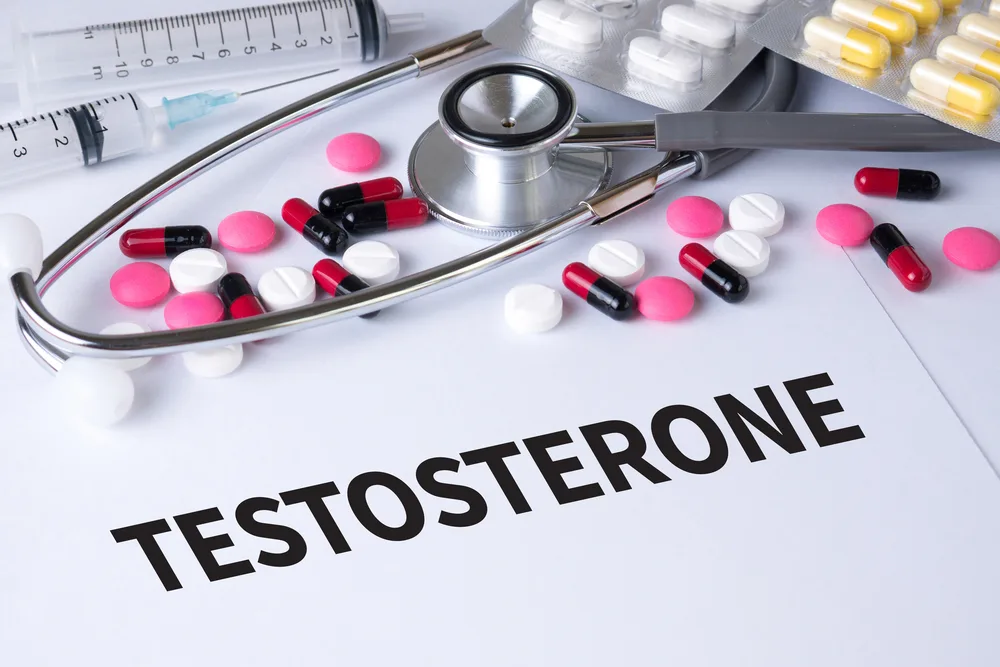
As hormonal imbalances are often the cause of male breast tissue to overdevelop, hormone treatments can be prescribed. Steroid use can also trigger hormonal imbalances that result in gynecomastia, as anabolic steroids are converted into oestrogen in the body. Eliminating triggers such as steroids or using hormone balancing medication can prevent further breast growth, but unfortunately, it rarely reverses the condition.
Diet and exercise can reduce body fat including in the chest area, although sufferers often find that stretched skin is impossible to tone up after significant weight loss and the amount of glandular tissue present will not be affected by any weight changes.
Treatments (non-surgical)
True gynaecomastia refers to the enlargement of glandular tissue in the male chest, but for many men, it is the result of an increase of fatty tissue in the chest area. So, losing weight should always be your first step.
Losing weight is an effective method in reducing your gynaecomastia, helping to decrease the levels of hormones that are behind your man boobs. There are a few key things that can be done:
Ditch the booze
Along with a ‘beer belly’, drinking alcohol can lead to man boobs. This can be attributed to several factors, but mainly its effect on hormone production. As well as being highly calorific, alcohol can suppress testosterone production, which could play a role in your gynaecomastia.
Eat a balanced diet
Drastically reducing your calorie intake isn’t ideal for many reasons, but it can also affect testosterone levels. That said, the key is to lose weight gradually, making sure to eat a healthy, balanced diet. Foods that contain monounsaturated fats (nuts, avocado and olive oil, for example) are great at boosting your testosterone levels. Another great way to build muscle is to include lean proteins, such as fish, skinless chicken, fish and eggs. Of course, always remember to eat plenty of fresh fruit and vegetables!
On the other hand, avoid saturated fats such as those found in cakes, pastries, fatty meats and butter, as well as any sugary, processed foods.

Combine cardio with chest exercises
One of the best ways to reduce your man boobs is to ensure that you exercise regularly and that the exercise is targeted. Combine cardio (to burn calories) with chest exercises such as bench presses or push-ups (to tone your chest area). For example, include chest exercises before or after running. Or, swim or practise some cardio/chest exercises on alternate days.
Treatment (Surgical)
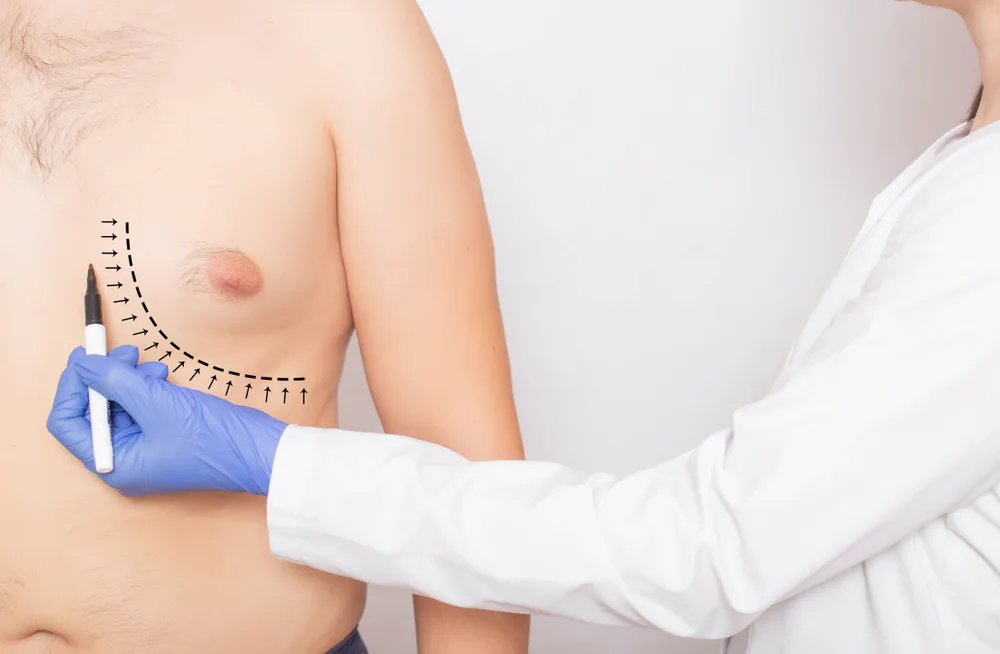
Unfortunately, for many men, diet and exercise fails to improve the appearance of ‘moobs’. Sometimes, excess glandular tissue appears more prominent the more you build up the chest muscles. In this case, male breast reduction surgery is often the only solution to producing a more aesthetically pleasing contour to the chest.
Removing excess glandular and fatty tissue from your breast area results in a flatter, more toned look. Your glands are removed, ensuring that gynaecomastia won’t return.
A very small incision measuring 3-4 mm is made under each arm, and a cannula is inserted to suction away the fat. Not all the fat is removed — but a thin layer of fat is left to ensure a smooth contour. After this, a small incision is made at the base of your areola and fatty tissue is removed.

Both incisions are then left open to drain. You can usually expect to be back at work within 5-7 days after surgery and can do some light exercise after two weeks. You’ll see the final result within 6–9 months after your surgery.
It’s clear having gynaecomastia can affect your life in many ways, for example, the clothes you choose to wear, your confidence when playing sports or choosing where and when to go on holiday. ‘Man boobs’ can be said in jest, but the embarrassment can run deep. However, it’s important to remember there are things that can be done.
Anthony Joshua’s nutritionist shares healthy food hacks & cheat day tips