Storm Isha: Driving a van in high winds

Share
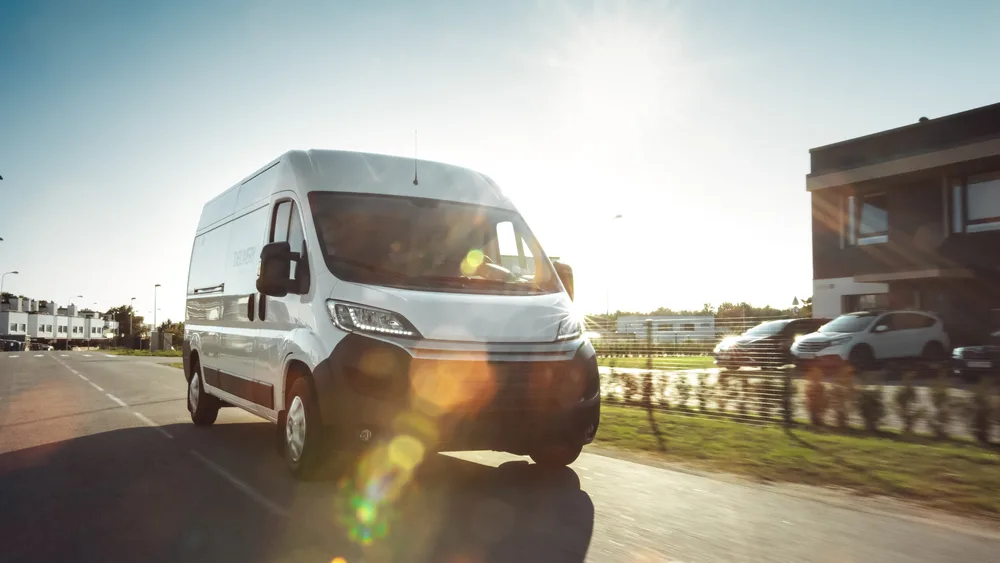
Storm Isha is bringing the UK to a standstill with The Met Office issuing a yellow weather warning as wind speed reached 99mph in some areas.
Extreme weather poses a wide range of risks when it comes to driving, such as limited visibility, and dangerous road conditions.
This is particularly challenging for those handling larger vehicles such as a van. Whether it’s a small van or a large 3.5-tonne van, it’s essential to take extra care behind the wheel during hazardous conditions or avoid all journeys if possible.
Below, Graham Conway, Managing Director of Select Van Leasing, provides expert advice for van drivers who are unable to avoid journeys in challenging weather conditions, with tips on how to ensure safety for yourself and others:
“Before heading out in your van during treacherous weather conditions, it’s worth asking yourself if your journey is essential before setting off. If it isn’t, it’s advisable to delay your journey and wait until the roads are clear and there are no severe weather warnings in place.
“However, if a journey in your van is unavoidable in severe weather conditions, here are some things to keep in mind to ensure you stay safe:
1. Weight distribution
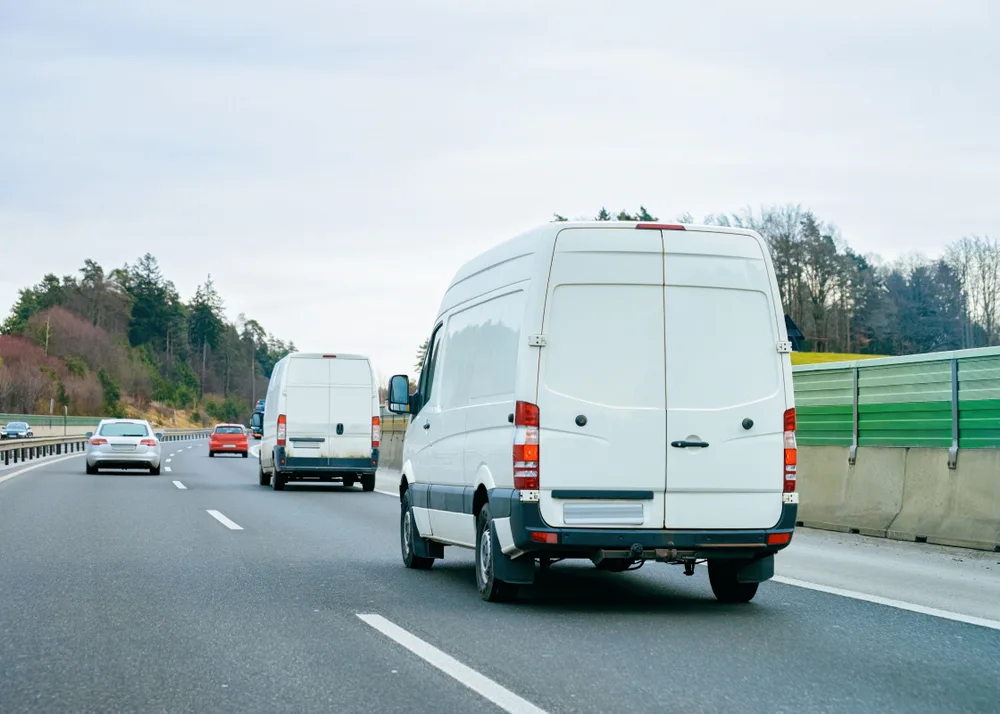
“Ensure that your van’s load has been distributed evenly to maintain an appropriate balance for the size of your vehicle and that anything loaded into your van is properly secured.
“It should go without saying that you should never overload your van, as doing so can severely compromise the vehicle’s handling.
“An overloaded van when the conditions on the road are treacherous is simply an accident waiting to happen. If you do go over the weight limits on your vehicle, the penalties range from a £100 fine for exceeding the limit by less than 10%, rising to a court summons, an unlimited fine, and even jail time in the most extreme cases.”
2. Give yourself plenty of time
“Make sure to factor in that you may encounter severe road conditions throughout your journey, so leave plenty of time to get from A to B in a safe and timely manner.
“Plan your route ahead of time and try to stick to the main roads that are most likely to have been gritted and cleared of any hazards.”
3. Reduce speed and brake carefully
“Whether you’re in a car or a van, you should always lower your speed when there’s snow or ice on the ground to ensure complete control over your vehicle in treacherous conditions.
“You should also try to accelerate and brake as gently as it’s safe to do, in order to prevent wheelspin and a loss of traction.”
4. Increase following distance
“It’s important to leave more space than usual between your van and the vehicle in front of you, to allow for increased stopping distance.
“Research has shown that braking distances double in wet conditions and multiply by 10 on snow or ice, so it’s imperative to be prepared in case you suddenly need to stop.
“Additionally, there is a significant difference in stopping distance between empty and fully loaded vans, which should also be taken into account. A loaded van has additional weight which increases the van’s momentum, making it more challenging to bring the vehicle to a stop.”
5. Use winter tyres and check the tread
“Winter tyres provide better traction and grip which improve handling when driving on snow and ice.
“Ensure you have carried out appropriate checks of the recommended tyre tread and pressure ahead of your journey, and that they have sufficient tread depth for optimal traction. Ideally, they should be at least 3mm deep for maximum grip.”
6. Maintain visibility
“It may seem obvious, but make sure to clear any snow or ice from anywhere on your van, not just the windscreen. You could also try lifting the windscreen wipers away from the glass on a night before a journey in your van, to prevent the wipers from freezing in place.
“You should ensure you can see clearly out of all windows and also clear any snow from the roof of your van, as you could be penalised if it were to fall onto the windscreen or into the path of another road user.
“It’s also recommended to use headlights even during the day, as you will be more visible to other road users, especially during severe weather conditions such as fog, or heavy snow and rain.”
7. Have plenty of fuel
“Ensuring that your van has ample fuel before you set off on a journey in challenging weather, provides peace of mind and ensures you are well prepared for any delays you may encounter.
8. Carry an emergency kit
“A good way to prepare for a journey in challenging conditions is to equip your van with some basic essentials so you’re prepared for all scenarios, such as a shovel, de-icer spray and scraper, blankets, extra warm clothing, a torch and first aid kit.”